

Beyond the Beige Catalog
Step away from the perfectly staged, endlessly replicated living room you see in catalogs and across social media feeds. The craft-led home is its soulful antithesis. It’s a space defined not by what’s trending, but by what’s been thoughtfully made. Instead
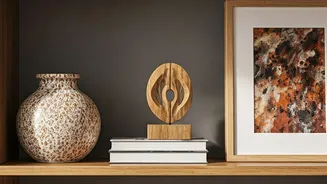
of a furniture set sourced from a single big-box store, you might find a hand-turned wooden bowl from a local artisan, a vintage armchair reupholstered in a hand-loomed fabric, and ceramic mugs that are all slightly different from one another. This approach isn't about rejecting modernity or convenience outright. Rather, it’s about consciously curating a space with items that carry a story, showcase skill, and feel fundamentally personal. It’s the difference between a house that looks like a magazine and a home that feels like a life being lived.
The Story in Every Object
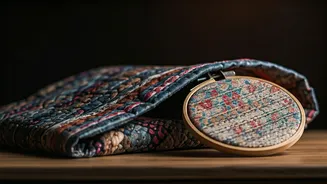
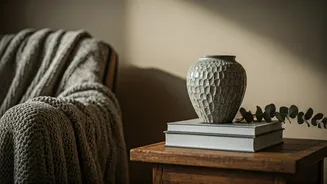
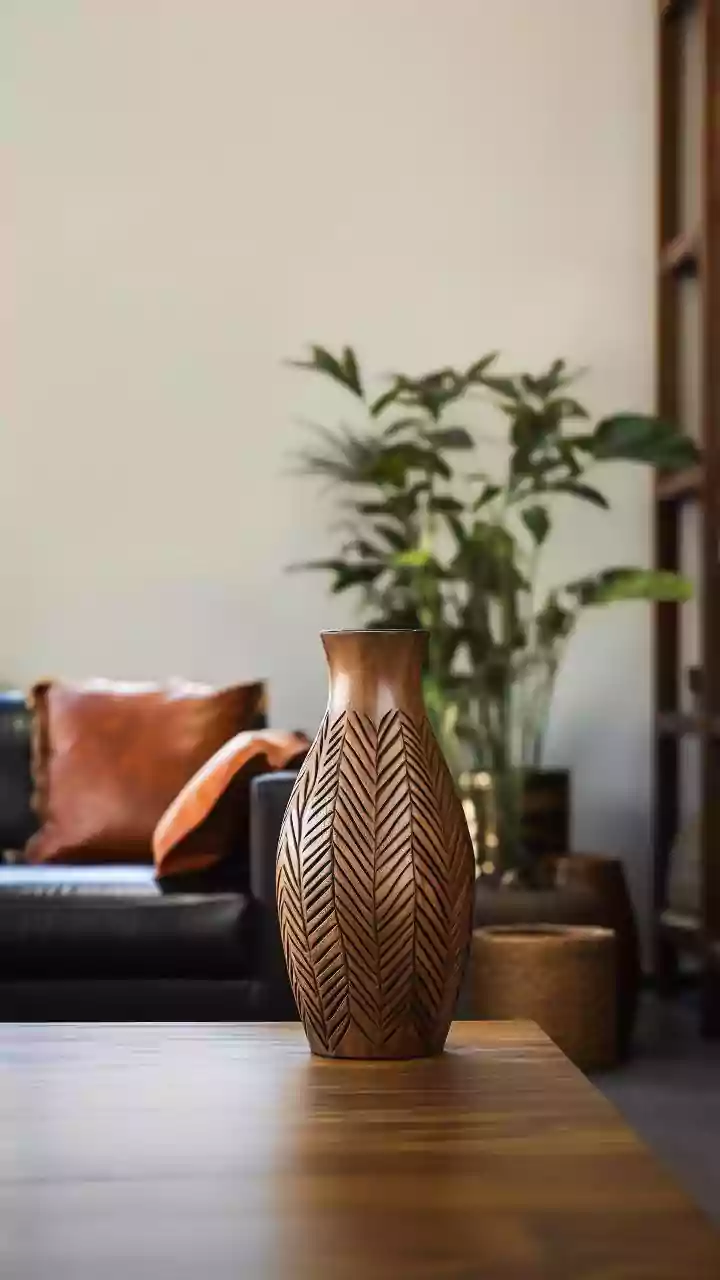
A core tenet of the craft-led home is that objects can be vessels for stories. A mass-produced vase has an origin story that ends at a factory and a shipping container. A piece of hand-thrown pottery has a more intimate biography. You can feel the slight indentations of the maker's fingers, see the unique way the glaze settled in the kiln, and perhaps you even met the person who made it at a local market. This connection transforms a decorative object into a conversation piece and a tangible link to a creative process. Living with these items means surrounding yourself with the narratives of skilled individuals. That quilt wasn't just assembled; it was designed, stitched, and imbued with intention. That carved spoon isn't just a utensil; it's a small sculpture that reflects hours of patient work. This layer of meaning is what gives a home its 'soul.'
Embracing Perfect Imperfection
The aesthetic of the craft-led home often aligns with the Japanese concept of wabi-sabi: finding beauty in imperfection and transience. Machine-made goods are prized for their uniformity, but artisanal objects celebrate the opposite. The slight asymmetry of a hand-blown glass, the visible joinery in a custom wooden table, or the organic texture of a naturally dyed textile are not flaws—they are marks of authenticity. These 'perfect imperfections' are evidence of the human hand. They remind us that the object was not stamped out by an unfeeling machine but shaped by a person. This aesthetic is a relief from the pressure of maintaining a flawless, untouchable home. It allows for a more relaxed, livable environment where a small chip or a bit of wear adds character instead of diminishing value. It’s a style that embraces life, rather than resisting it.
A Deeper Connection to Material
Craftsmanship often brings with it a profound respect for materials. In a world saturated with plastic and composites, the craft-led home reintroduces us to the tactile pleasures of wood, clay, wool, linen, and metal. Artisans who work closely with these materials understand their unique properties—the grain of a particular wood, the weight of a certain clay, the way light interacts with spun fiber. Their work highlights and celebrates these intrinsic qualities. As a result, these homes engage more than just our sense of sight. It's about the feeling of a heavy ceramic mug in your hands, the warmth of a wool blanket, the solid feel of a well-made wooden chair. This multi-sensory experience grounds us in our environment, creating a space that feels not only stylish but also comforting, real, and deeply restorative.