



A Taste of American Ingenuity
Before “zero waste” became a trendy hashtag, it was simply a way of life. For generations, particularly in the American South, resourceful home cooks saw potential where others saw scraps. Watermelon rind pickles are a testament to that ingenuity. They
transform the tough, bland rind—the part most of us discard without a second thought—into a crisp, sweet, and tangy condiment that sings with the flavors of summer. The process transforms the rind’s texture from tough to tender-crisp, similar to a cucumber pickle but with a unique, subtly fruity character. It's a culinary tradition born from necessity that has become a cherished delicacy, embodying a spirit of making deliciousness out of absolutely everything.
From Scrap to Star Ingredient
So what makes this recipe “genius” in our modern kitchens? It’s the perfect marriage of nostalgia and forward-thinking sustainability. In an era where we're all trying to reduce food waste, turning a pound of rind into a jar of pickles is a powerful act. It’s a tangible way to stretch your grocery budget and lessen your environmental footprint. But this isn't just about being virtuous; it's about flavor. These pickles are legitimately spectacular. They are the perfect balance of sweet, sour, and spice, with a satisfying crunch that makes them endlessly versatile. The process is surprisingly simple, relying on common pantry staples and a little bit of patience.
Step 1: Prep Your Rind
The foundation of great watermelon rind pickles is properly prepared rind. Start with the rind from about half of a medium-sized watermelon. First, carefully slice away any remaining pink flesh; a thin layer is fine, but too much will result in a mushy pickle. Next, using a sharp vegetable peeler, remove the tough, dark green outer skin. You want to be left with just the firm, pale green-white part of therind. Cut this into uniform 1-inch cubes or 2-inch strips—consistency in size ensures even cooking and pickling. Place the prepared rind pieces in a large bowl, cover with cool water, and stir in a quarter cup of salt. Let this sit for at least 4 hours or, even better, overnight in the refrigerator. This step, called purging, draws out excess water and ensures a crisp final product. After soaking, drain the rind and rinse it thoroughly under cold running water to remove the salt.
Step 2: Create the Magic Brine
The pickling liquid is where the transformation happens. In a large, non-reactive pot (like stainless steel or enamel), combine 2 cups of apple cider vinegar, 2 cups of water, and 3 cups of granulated sugar. Now for the aromatics: add one cinnamon stick, a teaspoon of whole cloves, and a teaspoon of whole allspice. You can place these in a small cheesecloth sachet for easy removal later, but it’s not required. Bring the mixture to a boil over medium-high heat, stirring until the sugar is completely dissolved. Once boiling, reduce the heat and let it simmer for about 10 minutes to allow the spices to infuse the liquid. The aroma filling your kitchen will be incredible—a warm, sweet, and tangy perfume.
Step 3: Pickle and Jar
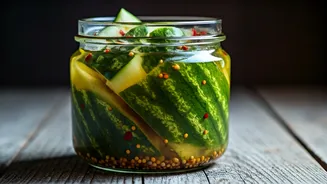
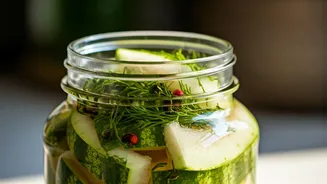
Add your rinsed and drained watermelon rind to the simmering brine. Bring the mixture back to a gentle boil, then reduce the heat to a simmer. Cook the rind until it becomes translucent and tender, which usually takes about 30 to 45 minutes. You should be able to pierce a piece easily with a fork. Once tender, you can either let the pickles cool in the pot or immediately transfer them to clean glass jars. Use a slotted spoon to fill the jars with the pickle pieces, then ladle the hot brine over them to cover completely. If you added a spice sachet, remove it now. Seal the jars tightly and let them cool to room temperature before storing them in the refrigerator. They’ll be good to eat in 24 hours, but the flavor gets even better after a week.
Serving Your Genius Pickles
You’ve done it. You’ve turned food scraps into a gourmet treat. So, how should you enjoy them? These pickles are a classic companion to rich, savory Southern dishes like pulled pork, fried chicken, or a simple plate of black-eyed peas and cornbread. Their sweet-and-sour bite cuts through fat beautifully. They are also fantastic chopped up and added to tuna or chicken salad, served on a charcuterie or cheese board, or simply speared with a fork and eaten straight from the jar as a midnight snack. They add a surprising and delightful crunch to just about anything.