


A Hidden Himalayan Jewel
Tucked away in the Chamoli district of Uttarakhand, India, lies a place that seems torn from the pages of a fantasy novel: the Valley of Flowers National Park. A UNESCO World Heritage Site, this high-altitude valley is nestled within the sprawling Nanda
Devi Biosphere Reserve, a landscape of towering peaks, glacial streams, and pristine alpine meadows. For most of the year, it remains a stark, dramatic landscape, often blanketed in snow and inaccessible to the outside world. But for a few fleeting months, it becomes the stage for one of nature’s most spectacular performances.
The Annual Awakening
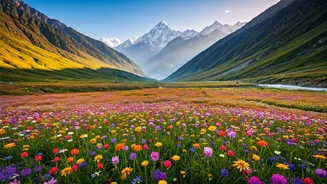
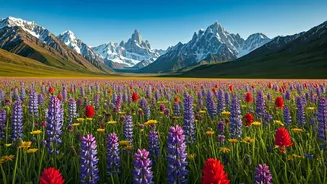
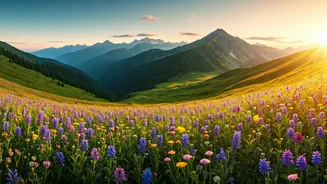
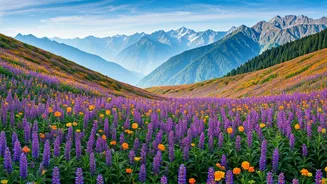
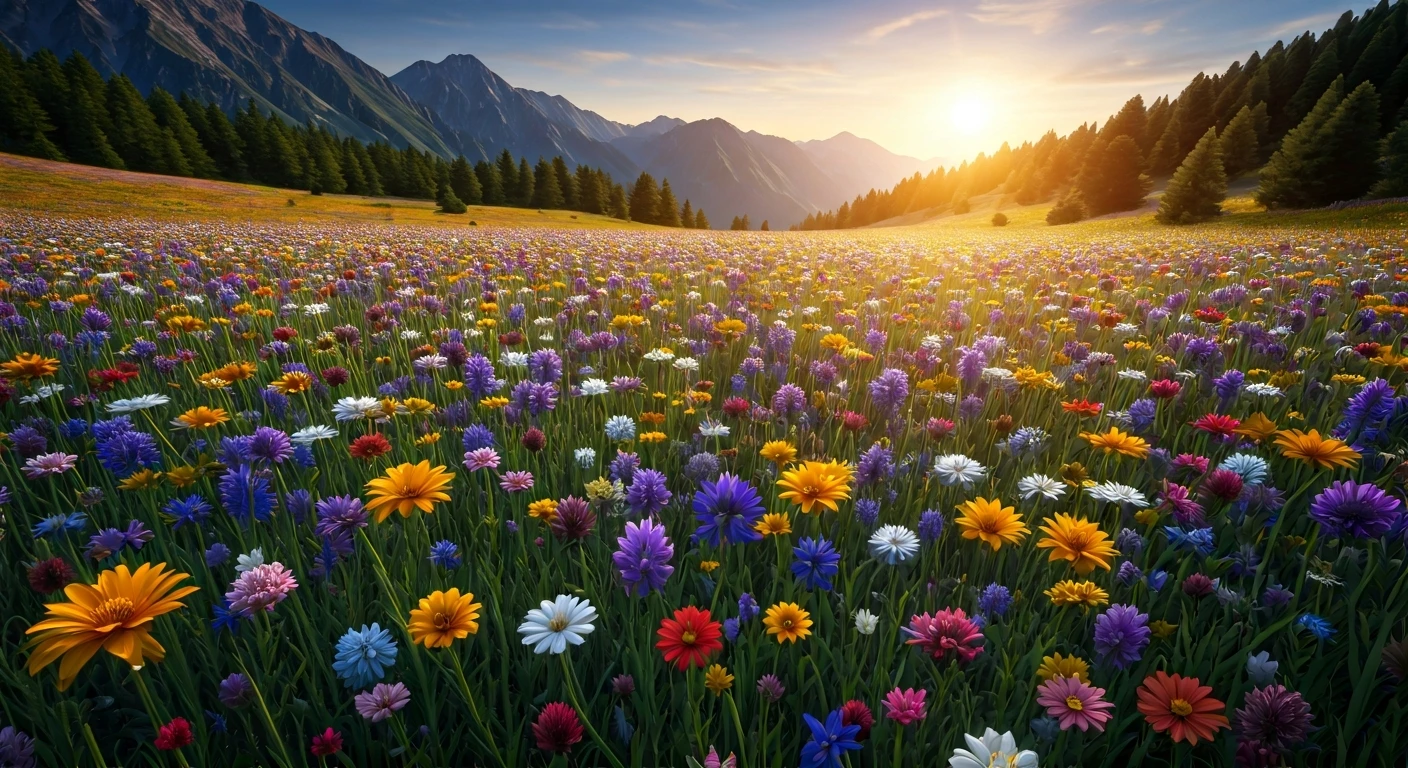
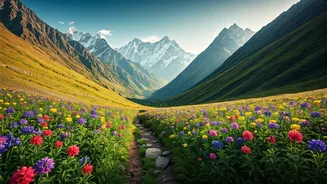
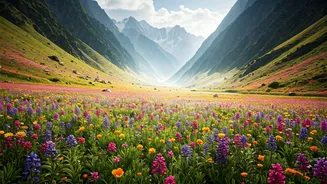
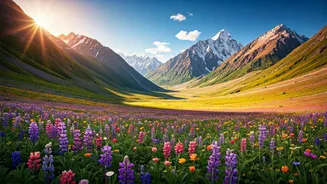
The “transformation” suggested by the headline isn’t a recent, man-made event but a powerful, cyclical awakening. As the harsh winter recedes and the summer monsoon season arrives—typically from July to early September—the valley floor erupts in a riot of color. The rains coax life from the dormant soil, and what was once a quiet, monochromatic landscape becomes a rolling tapestry of endemic alpine flowers. Over 500 species of wildflowers bloom in succession, creating shifting patterns of blue, pink, yellow, and white against the dramatic backdrop of 20,000-foot peaks. This ephemeral explosion of life is what draws trekkers, botanists, and spiritual seekers from across the globe.
A Carpet of Mythic Color
Walking through the Valley of Flowers is a sensory overload in the best possible way. The air is thin, crisp, and filled with the faint, sweet scent of countless blossoms. The ground is a living mosaic. You’ll find fields of the elusive Himalayan Blue Poppy (Meconopsis aculeata), its vibrant petals a startling splash of cobalt. You’ll see the strange, hooded form of the Cobra Lily (Arisaema), the delicate pink of the Geranium, and vast meadows of Potentilla and Anemone. Perhaps the most revered resident is the Brahma Kamal (Saussurea obvallata), a sacred, saucer-shaped flower that blooms at night at the highest altitudes. This legendary plant, named after the Hindu creator god Brahma, is a symbol of the region's deep spiritual and natural significance.
More Than Just a Pretty View
The valley's importance extends far beyond its staggering beauty. For centuries, it has held a place in Hindu mythology, believed to be the place from which the god Hanuman collected the mythical Sanjeevani herb to save Lakshmana in the epic Ramayana. This spiritual heritage adds a layer of reverence to the journey. Ecologically, it is a critical biodiversity hotspot, a living laboratory for botanists studying high-altitude flora and the effects of climate change on fragile ecosystems. The trek to reach the valley is an experience in itself—a challenging but rewarding journey that requires ascending through forests of rhododendron and birch, crossing rushing streams, and acclimatizing to the thin mountain air. It’s a pilgrimage that reinforces the valley's status as a place that must be earned, not just visited.