



From Private Stroll to Public Performance
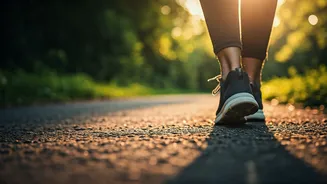
For generations, going for a walk was one of life’s simplest pleasures—a way to clear your head, get some exercise, or move from point A to point B. It was an activity defined by its quiet, personal nature. But in the age of TikTok, Instagram Reels, and
YouTube Shorts, that definition is rapidly changing. The daily walk has been rebranded, packaged, and turned into a genre of content. Walkers have become creators, their routes have become sets, and their inner monologues have become voiceovers. This isn’t just about fitness tracking on an app; it’s about broadcasting the entire experience, transforming a routine act of self-care into a shareable digital asset.
The 'Hot Girl Walk' Phenomenon
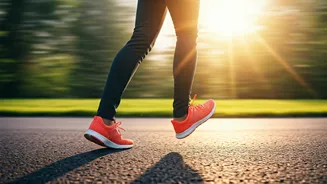
The most visible driver of this trend is the “Hot Girl Walk.” Coined by TikTok creator Mia Lind, the concept went viral not just as an exercise routine but as a holistic mindset practice. The rules are simple: go on a walk of a few miles and think only about three things: what you’re grateful for, your goals and how you’ll achieve them, and how “hot” you are. The focus isn’t on burning calories but on building confidence and practicing mindfulness. Millions of videos under the #hotgirlwalk hashtag show creators sharing their outfits, their scenic routes, and their post-walk revelations. It framed walking as an act of empowerment, making it aspirational and, crucially, shareable. It gave people a script and a community, turning a solitary activity into a collective movement.
A Search for Accountability and Community
So, why broadcast something so personal? For many, the answer is accountability. Announcing your intention to walk daily creates a social contract. Followers become a gentle source of pressure, and sharing progress provides a dopamine hit of validation that reinforces the habit. It’s the 21st-century version of having a workout buddy. Beyond accountability, it fosters a sense of community. In a world that can feel isolating, watching someone else on their daily walk in another city creates a feeling of shared experience. The comment sections are filled with encouragement and camaraderie, forming digital walking clubs where members motivate each other from behind a screen. For creators, it's also a source of low-lift, relatable content that audiences find soothing and inspiring.
The Rise of the 'Silent Walk'
Just as the high-energy, curated “Hot Girl Walk” reached peak saturation, a counter-movement emerged: the “silent walk.” Also a social media trend, this practice involves walking without any auditory distractions—no podcasts, no music, no audiobooks. The goal is to simply be present with your thoughts and surroundings. It’s a rebellion against the overstimulation that defines modern life. Of course, the irony is palpable: people are filming themselves being unplugged, creating content about not consuming content. Yet, it speaks to a collective yearning for mental quiet. The “silent walk” shows the versatility of the walking-as-content trend; it can be adapted to fit different wellness philosophies, from confidence-boosting mantras to meditative silence.
When Wellness Becomes Work
While the intentions are often positive, the trend highlights a blurry line between authentic self-care and performative wellness. When a relaxing walk becomes a content opportunity, does it lose its restorative power? The pressure to find the perfect lighting, craft a compelling narrative, and engage with comments can turn a mindful activity into another item on a digital to-do list. There’s a strange paradox in filming a moment of peace; the act of recording can inherently pull you out of the experience you’re trying to capture. For some, what started as a tool for accountability can morph into a source of anxiety—the need to perform wellness rather than simply experience it. The walk becomes less about the journey and more about the post.