



The Spark: A Geopolitical Beach Brouhaha
In early 2024, a diplomatic firestorm erupted online between India and the Maldives. After Indian Prime Minister Narendra Modi posted photos promoting tourism to Lakshadweep, several Maldivian officials responded with derogatory remarks, sparking outrage
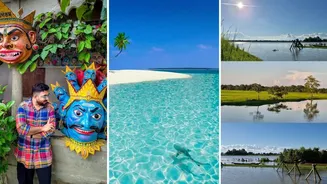
across India. The incident snowballed into a massive social media movement with hashtags like #ExploreIndianIslands and #BoycottMaldives trending for weeks. Indian celebrities and travel companies joined the chorus, canceling bookings to the Maldives and aggressively promoting domestic alternatives. Suddenly, two remote archipelagos—the Andaman and Nicobar Islands and Lakshadweep—were thrust into the international spotlight, with travel searches for them skyrocketing by over 3,000% according to some reports. This wasn't just a fleeting trend; it was a cultural and travel reset, prompting many to ask: What are these places, and can they really compete with the world’s most famous beach destinations?
Spotlight: The Andaman & Nicobar Islands
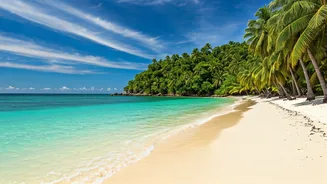
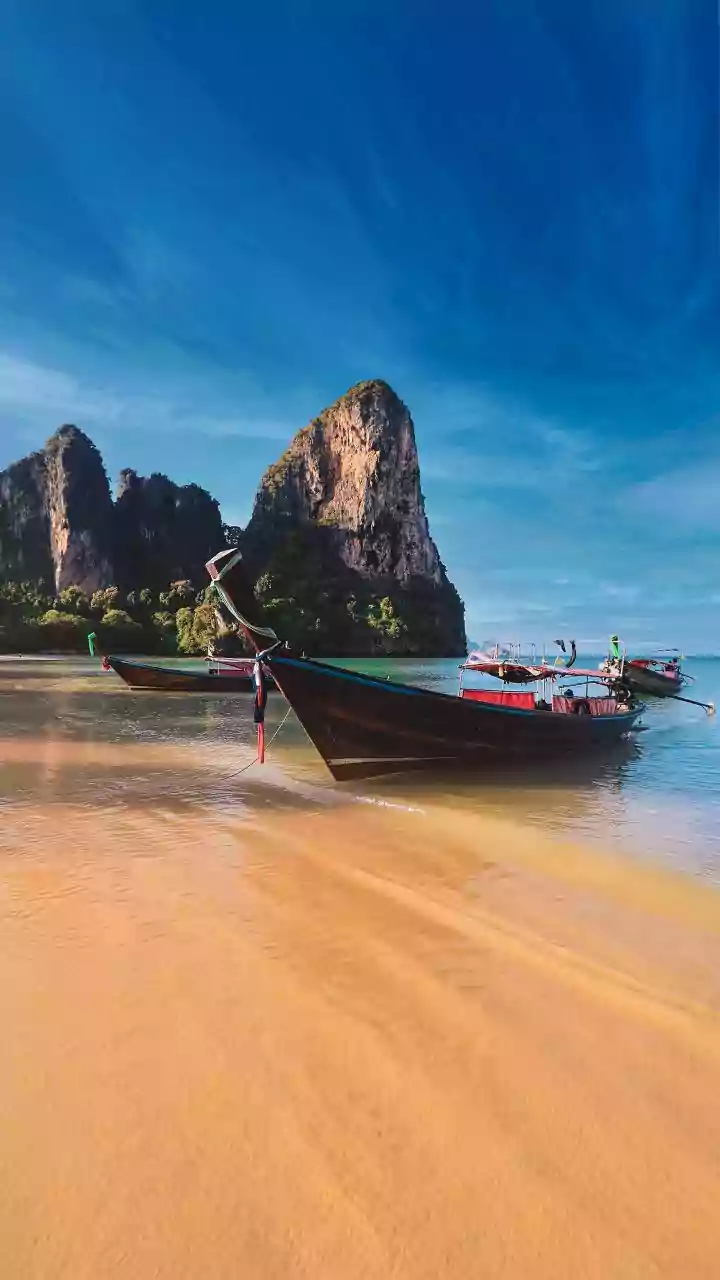
Often simply called the Andamans, this chain of over 500 islands in the Bay of Bengal is a paradise for adventurers and history buffs alike. Unlike the flat coral atolls of the Maldives, the Andamans are characterized by lush green rainforests, mangrove creeks, and a hilly topography. The capital, Port Blair, is home to the Cellular Jail, a colonial-era prison that’s now a poignant national memorial, giving the destination a historical depth most beach resorts lack. The main draw for tourists, however, is Havelock Island (Swaraj Dweep). It’s home to Radhanagar Beach, frequently ranked among the best beaches in Asia, with its crescent of pristine white sand and turquoise water. The diving and snorkeling here are world-class, with vibrant coral reefs and a rich marine ecosystem. The Andamans offer a more rugged, eco-tourism-focused experience, blending jungle treks and kayaking with breathtaking beaches. It’s less about overwater bungalows and more about rustic-chic resorts and a tangible connection to nature.
Spotlight: Lakshadweep
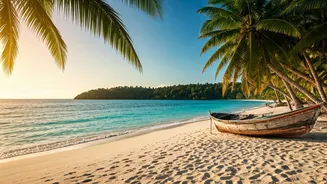
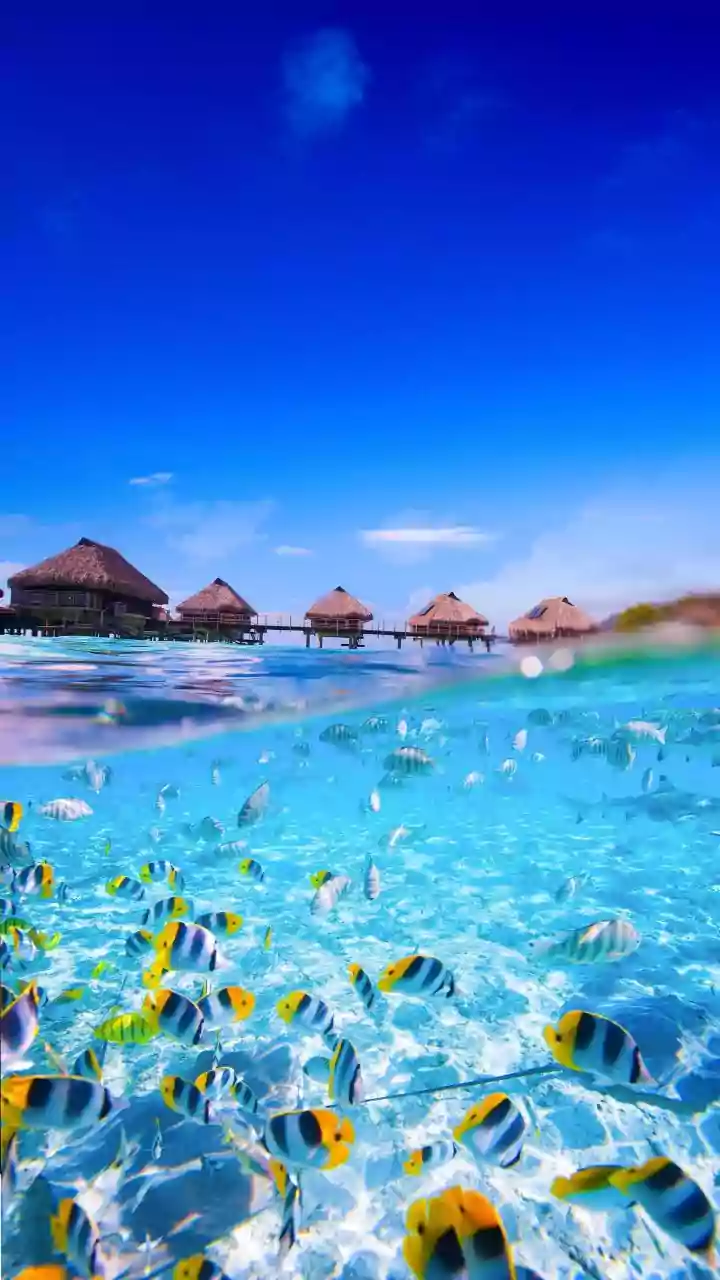
If the Andamans are about adventure, Lakshadweep is about exclusivity. This archipelago of 36 coral atolls in the Laccadive Sea is India’s answer to the Maldives in terms of sheer geographical beauty. We're talking tiny, palm-fringed islands, blindingly white sand, and impossibly clear turquoise lagoons teeming with coral and fish. It’s an ecological treasure, and the Indian government treats it as such. Access is highly restricted to protect its fragile environment. Only a handful of islands are open to tourists, and all visitors—Indian or foreign—require a special permit to enter. There are no sprawling mega-resorts here. Instead, tourism is managed through a small number of government-run or approved eco-conscious resorts on islands like Agatti, Bangaram, and Kadmat. The experience is intimate, quiet, and focused on appreciating the pristine natural beauty through activities like snorkeling, scuba diving, and glass-bottom boat tours.
How They Stack Up to the Old Favorites
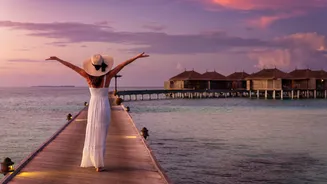
So, should you cancel your Caribbean cruise or Bali trip? For the American traveler, the primary appeal of the Andamans and Lakshadweep is the promise of a truly unique, off-the-beaten-path experience. Unlike the hyper-commercialized luxury of the Maldives, where dozens of international hotel chains operate, these Indian islands feel less polished and more authentic. The infrastructure is still developing, which can be both a charm and a challenge. You won’t find the same level of seamless five-star service or sprawling all-inclusive resorts. What you will find is a more raw and rewarding adventure. The Andamans offer a blend of Southeast Asian-style jungle-and-beach beauty with a rich Indian cultural overlay. Lakshadweep provides a Maldivian aesthetic but with a fierce commitment to eco-preservation that makes it feel far more exclusive and unspoiled. For travelers tired of the same old destinations, they represent a new frontier in beach travel.
Know Before You Go
Thinking of hopping on the trend? For U.S. citizens, a trip requires planning. First, you'll need a visa for India. From there, both island groups require additional permissions. For the Andamans, foreign nationals receive a Restricted Area Permit (RAP) on arrival at the Port Blair airport, which is relatively straightforward. Lakshadweep is the harder ticket; foreign tourists must book through an official tour operator who arranges the necessary entry permits, and options are limited. Flights connect from major Indian cities like Chennai, Kolkata, or Bengaluru for the Andamans, and from Kochi for Lakshadwep. Don’t expect the same level of connectivity or luxury you’d find getting to Cancun or Maui—this is adventure travel, and the journey is part of the story.