


The Sobering Scale of Food Waste
Let’s start with a fact that’s hard to swallow: in the United States, an estimated 30-40% of the entire food supply goes uneaten. While some of that waste happens on farms and in grocery stores, a significant portion occurs right in our own homes. The
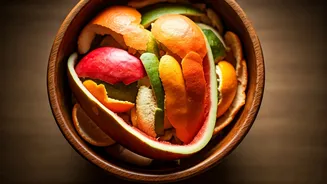
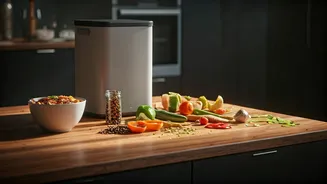
average American family of four tosses out about $1,500 worth of food each year. It’s the wilted herbs, the half-used onion, the chicken carcass, and the apple peels. Individually, they seem small. Collectively, they represent a massive environmental and economic drain. For years, the advice has been abstract: “plan better,” “buy less.” While useful, this guidance often fails to address the creative challenge of what to do with the odds and ends that inevitably accumulate. It can feel like a chore, another item on a long to-do list. But what if the solution wasn't about restriction, but about expansion? What if tackling food waste could actually make you a better, more resourceful cook?
Enter the No-Waste Classroom
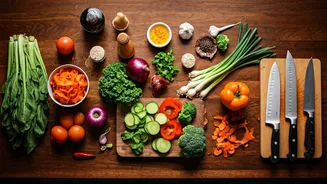
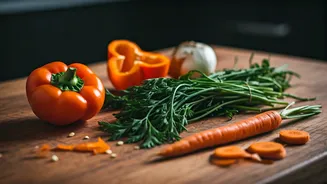
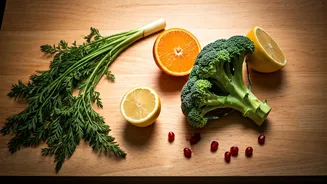
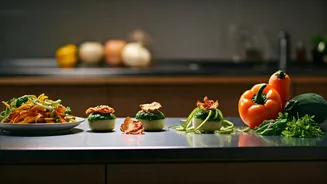
This is the question being answered in a new wave of cooking classes popping up in culinary schools, community centers, and online platforms across the country. Billed as “no-waste,” “root-to-stem,” or “scraps-to-staples” workshops, their goal is simple: to teach home cooks how to unlock the hidden potential in the ingredients they typically throw away. Forget guilt and deprivation; the focus here is on flavor, technique, and ingenuity. These classes are led by chefs who have long practiced this ethos in professional kitchens, where maximizing every ingredient is crucial for managing costs. Now, they’re bringing that mindset to the public. They treat a bunch of carrots not as one ingredient (the root) but as three: the root for roasting, the feathery tops for a vibrant pesto, and the peels for infusing into a rich vegetable stock. It’s a delicious rebellion against the disposable mindset, fought with cutting boards and sauté pans.
What You Actually Learn
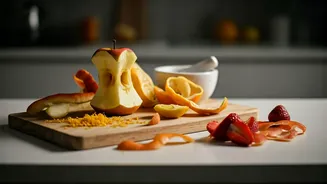
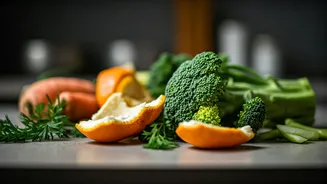
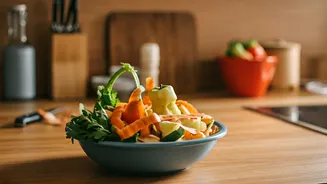
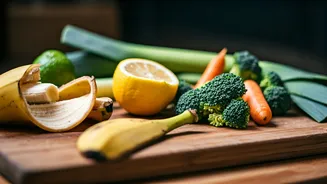
A no-waste class is less about memorizing rigid recipes and more about learning a flexible set of principles. A typical session might demystify the art of turning what seems like trash into treasure. Participants learn to transform tough kale and broccoli stems into a crunchy, refreshing slaw. They see how stale, past-its-prime bread can be blitzed into breadcrumbs, baked into croutons, or reborn as a hearty panzanella salad or bread pudding. Other common skills include making “trash” stocks by simmering vegetable peels, onion skins, and herb stems to create a flavorful base for soups and sauces. You might learn how to candy citrus peels for a sweet garnish, infuse vinegar with strawberry tops for a custom vinaigrette, or even use leftover parmesan rinds to add an umami bomb to your next pot of minestrone. The lesson is clear: waste is simply a lack of imagination.
More Than a Recipe, It's a Mindset
While students walk away with new dishes in their repertoire, the most profound takeaway from these classes is often a fundamental shift in perspective. They start to see their kitchens not as a linear path from fridge to trash can, but as a circular ecosystem of possibility. An ingredient isn’t “used up” after its primary purpose is served; it’s merely ready for its next act. This mindset fosters creativity and confidence. Instead of nervously following a recipe to the letter, cooks become resourceful problem-solvers. The question changes from “What recipe can I make?” to “What do I have, and what can it become?” It’s an empowering feeling that connects you more deeply to your food, reduces your environmental footprint, and saves you money. The sustainability part almost becomes a happy byproduct of simply cooking smarter and, ultimately, more deliciously.