





The Dawn of the Quantified Self
A little over a decade ago, the idea of logging your sleep cycles was novel, almost nerdy. The first wave of consumer wellness trackers, like the original Fitbit and Jawbone Up, were primarily glorified pedometers that offered rudimentary sleep analysis.
They could tell you when you were restless and roughly how long you were in bed, but the data was basic. This era was the playground of the “quantified self” movement—a subculture of enthusiasts dedicated to tracking every possible metric of their lives, from caffeine intake to mood. For most people, it was a curiosity, a digital diary that might reveal you tossed and turned after a late-night coffee. It was a trend, not a tool.
Better Sensors, Smarter Algorithms
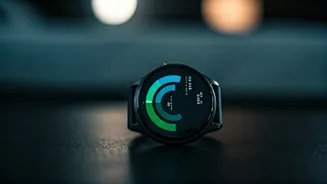
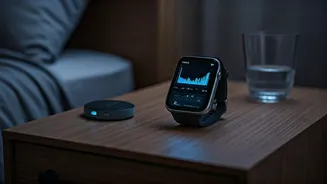
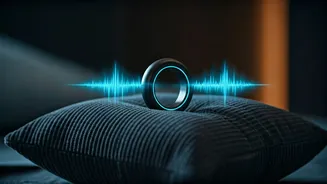
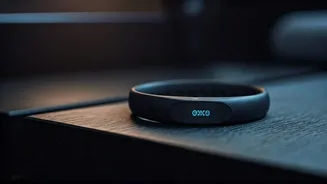
The transformation began when the technology caught up to the ambition. Companies like Oura and Whoop entered the market with devices designed specifically for deep analysis, not just casual tracking. Instead of just using accelerometers to detect movement, these new wearables incorporated sophisticated sensors like photoplethysmography (PPG) to monitor heart rate, heart rate variability (HRV), and body temperature. Suddenly, the conversation shifted from “how long did I sleep?” to “how well did I recover?” By breaking sleep down into its distinct stages—light, deep, and REM—and assigning a daily “readiness” or “recovery” score, these devices offered something far more compelling: actionable advice. They promised not just to show you data, but to help you interpret it to improve your next day’s performance.
The Pro Athlete Proving Ground
Nothing legitimizes a performance tool like adoption by the world’s most elite competitors. Professional sports became the ultimate proving ground for sleep tracking. For athletes like LeBron James, whose careers depend on optimizing recovery and preventing injury, sleep isn’t just rest; it’s a critical component of their job. Teams across the NBA, NFL, and other leagues began integrating data from Whoop straps and Oura rings into their training regimens. The data helped coaches and trainers understand how travel schedules, intense workouts, and stress impacted players’ ability to perform at their peak. When a tenth of a second or a single point can be the difference between winning and losing, harnessing the restorative power of sleep became a non-negotiable competitive advantage. The trackers went from a wellness accessory to essential equipment.
From the Court to the Boardroom
The logic that drove adoption in sports quickly trickled down to other high-stakes environments. If data-driven sleep could give an athlete an edge, couldn't it do the same for a CEO, a surgeon, or a software engineer? The focus expanded from physical performance to cognitive performance. Corporate wellness programs began promoting sleep tracking as a tool for boosting productivity, enhancing focus, and reducing burnout. The promise was clear: a better night’s sleep, guided by data, could lead to sharper decision-making and more creative problem-solving. It reframed sleep not as a passive state of inactivity, but as an active investment in your professional success. The daily recovery score became a new kind of status symbol for the ambitious.
The Cautionary Tale of Orthosomnia
This data-driven pursuit of perfect sleep isn’t without its pitfalls. As trackers became more sophisticated, they inadvertently created a new form of anxiety. Sleep specialists coined the term “orthosomnia” to describe an unhealthy obsession with achieving ideal sleep metrics. People began trusting their device’s score over their own body’s feelings, leading to stress when their data didn't reflect a “perfect” night. Waking up and immediately checking a sleep score can create a self-fulfilling prophecy, where a low score generates anxiety that, in turn, impacts the following night’s rest. This highlights the central tension of the sleep tracking revolution: the quest for optimization can sometimes undermine the very peace of mind it aims to achieve.