


India’s Answer to the Lake District
For most Americans, the idea of an Indian vacation conjures images of the Taj Mahal's marble domes or the chaotic, vibrant streets of Mumbai. But venture north into the Kumaon region of Uttarakhand, and you’ll find something entirely different: Nainital.
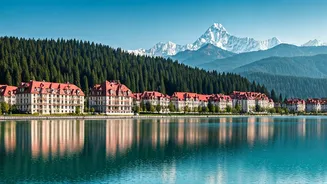
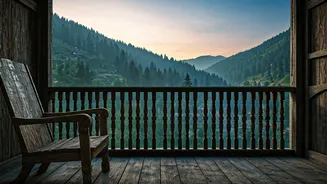
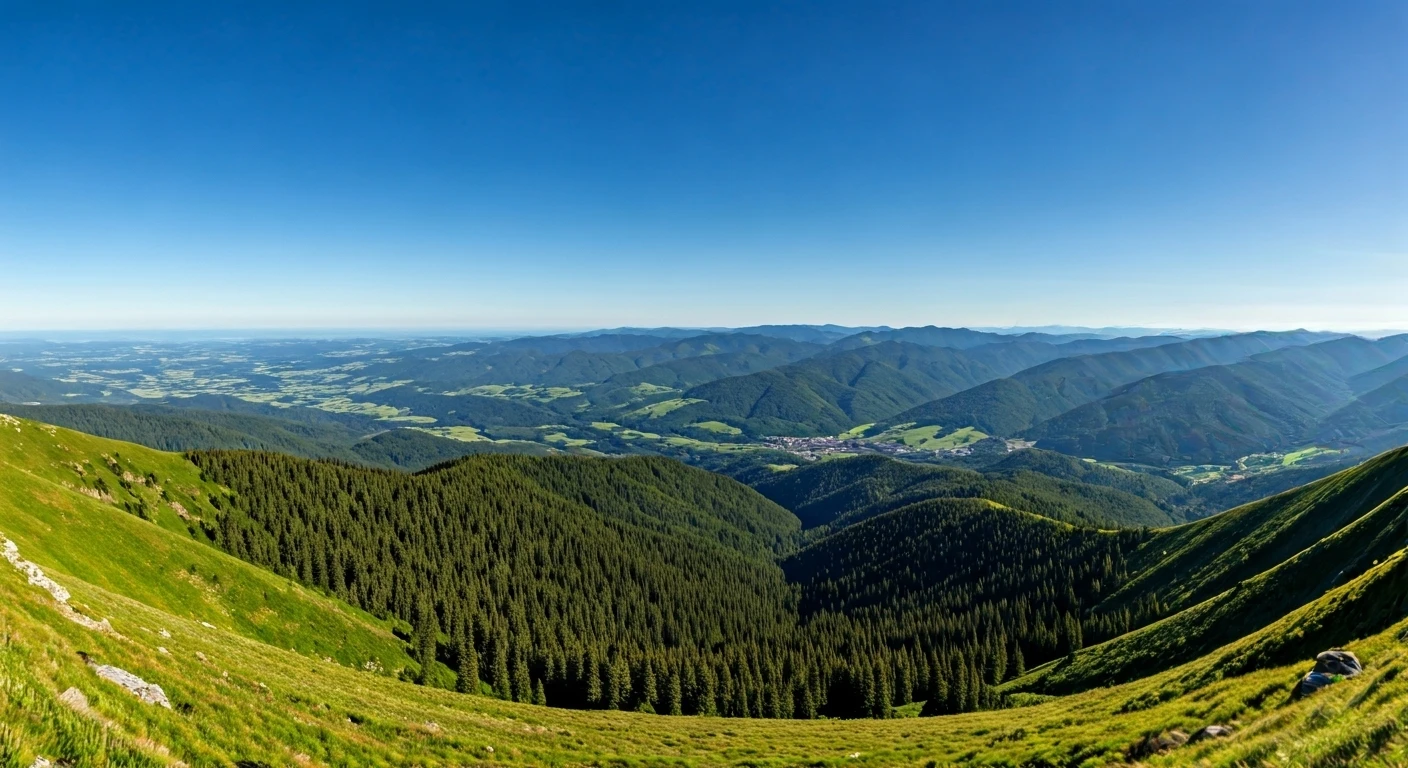
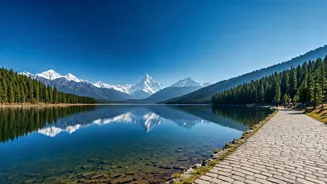
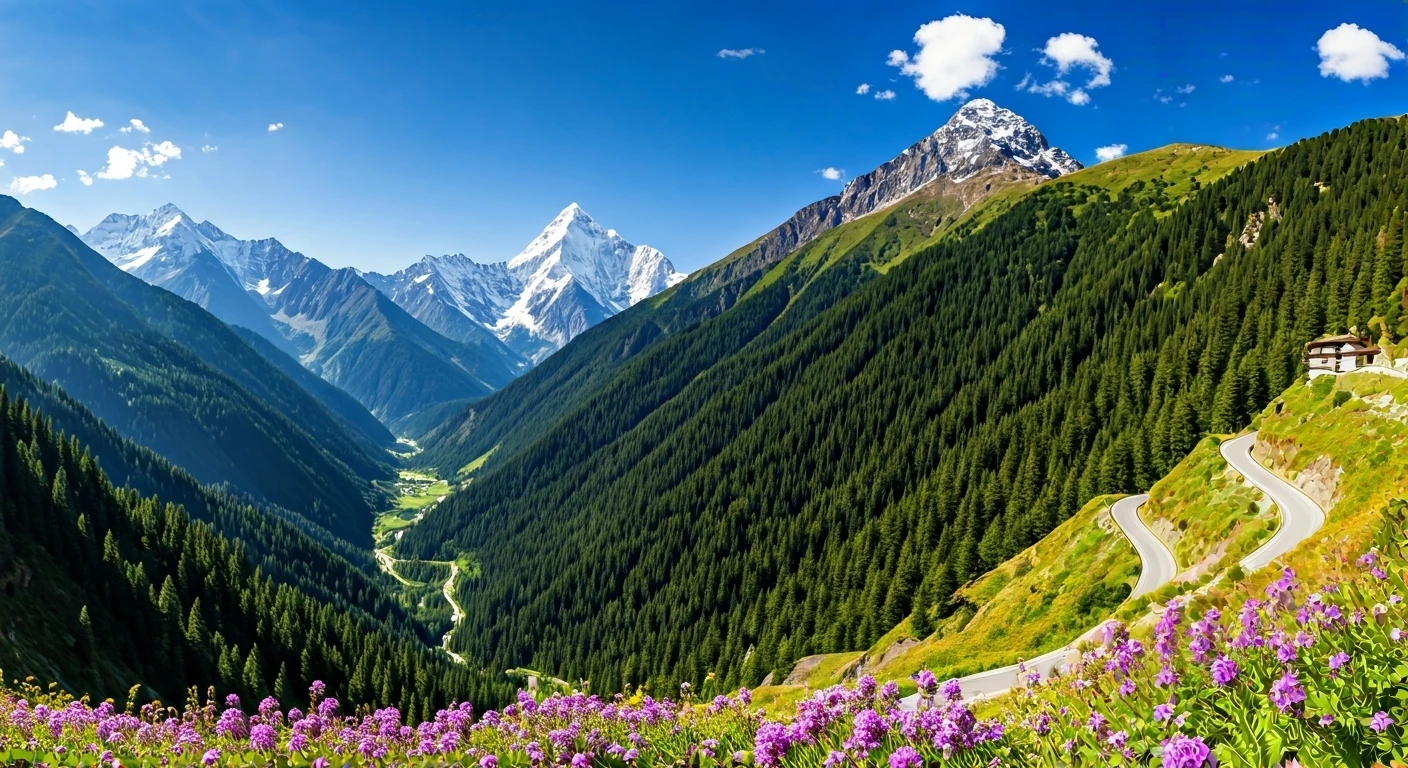
Often called the “Lake District of India,” this charming hill station is nestled in a valley centered around the stunning, eye-shaped Naini Lake. At an altitude of over 6,800 feet, the town offers a crisp, cool respite from the heat of the plains, with lush, forested hillsides tumbling down to meet the water's edge. This unique geography isn’t just scenic; it’s the very soul of the town, a place where life revolves around the water, the mountains, and the sky.
A Living Remnant of the British Raj
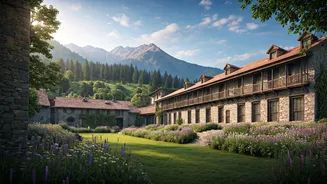
The “150-year charm” mentioned in headlines isn't just marketing copy; it’s a direct reference to Nainital’s origins. The town was “discovered” by the British in 1841 and quickly developed into a popular retreat for colonial administrators and their families seeking to escape the sweltering summer heat of Delhi. They built homes, churches, and schools in a distinctly European style, creating a miniature England in the Himalayas. That architectural legacy remains powerfully intact. A stroll along the Mall Road, which hugs the shore of the lake, takes you past colonial-era buildings, the historic Nainital Yacht Club (one of the oldest in India), and the iconic St. John in the Wilderness church. It’s this preserved atmosphere that gives Nainital its unique, nostalgic character—a feeling of stepping back into a quieter, more deliberate time.
More Than Just a Pretty Past
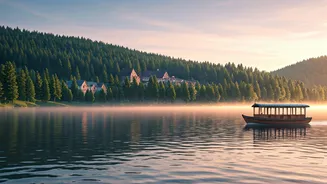
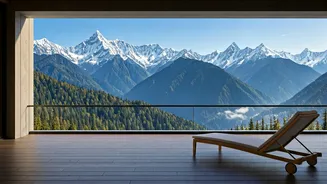
While its history is a major draw, Nainital is far from being a stuffy historical museum. It's a vibrant town where modern Indian life buzzes alongside its colonial past. The heart of this activity is the lake itself. Colorful paddleboats and rowboats dot its surface from dawn till dusk. Families and couples meander along the Mall Road, browsing shops and enjoying ice cream. At one end of the lake, the Bhotiya or Tibetan Market offers a bustling counterpoint to the quiet colonial lanes, with vendors selling everything from colorful textiles and jewelry to steaming hot momos (dumplings). For the more adventurous, trails lead up from the town to spectacular viewpoints like Tiffin Top and Snow View Point, which, on a clear day, offers breathtaking panoramas of the snow-capped Himalayan peaks, including the majestic Nanda Devi.
The Appeal of a Slower Pace
So why is Nainital “trending” now? The answer lies in a global shift in travel priorities. In a world of overtourism and an endless pressure to capture the perfect Instagram shot, travelers are increasingly seeking something more authentic and restorative. Nainital is the antithesis of the frantic, checklist-driven vacation. It’s a destination that encourages you to slow down. The main attraction is not a single monument to be ticked off a list, but the experience itself: sipping chai while gazing at the lake, taking a leisurely boat ride, or hiking through a pine-scented forest. This return to a slower, more immersive form of travel is precisely why this old-world hill station feels so fresh and relevant. It offers a chance to disconnect from the noise and reconnect with nature, history, and a more peaceful rhythm of life.