




The Old Vacation Blueprint Is Fading
Think about how you’ve traditionally planned a trip. You pick a city—say, New Orleans. You decide on a month—maybe April, for the festival season. You book flights and a hotel six months out, lock it in, and spend the intervening time dreaming of beignets
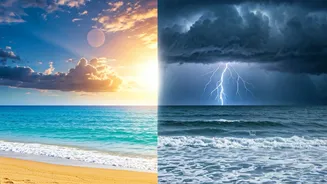
and sunny strolls through the French Quarter. But when you land, you’re greeted by a week of unseasonable, torrential rain. The trip is a soggy, disappointing version of what you’d imagined. This gamble—booking a place and merely hoping for ideal conditions—is a travel ritual as old as paid vacation. But in an era of volatile climate patterns, record-breaking heatwaves, and unpredictable atmospheric rivers, that gamble is looking less and less like a good bet. Travelers are getting tired of their hard-earned PTO being ruined by factors they can’t control but can, perhaps, avoid.
Why This Shift Is Happening Now
This isn’t just a case of a few people checking their weather apps more obsessively. It’s a trend driven by a perfect storm of factors. First, climate change has made seasonal norms a thing of the past. European summers can mean blistering, dangerous heat; shoulder seasons in the Caribbean are increasingly fraught with stronger storms. This has given rise to the “coolcation,” where travelers actively seek out milder, more temperate climates to escape extreme heat at home. Second, the post-pandemic work world has gifted many Americans with newfound flexibility. When you aren’t tethered to an office, the decision to book a last-minute flight to wherever it’s 75 degrees and sunny becomes much more feasible. Finally, there’s a growing desire for spontaneity. After years of rigid, over-planned itineraries, the idea of a more fluid, experience-driven trip is incredibly appealing. It’s a shift from a “destination-first” to a “vibe-first” mentality.
What Weather-Led Travel Looks Like
So how does this work in practice? It means flipping the script entirely. Instead of starting with “Where do I want to go?” the question becomes “What kind of weather do I want?” A family in Chicago looking for a spring break trip might not search for “flights to Florida.” Instead, they’ll search for “flights to anywhere with temperatures between 70-80°F and no rain.” The answer might be Savannah, Georgia, or it might be Scottsdale, Arizona. A skier in Denver might not commit to a specific resort months in advance, but instead monitor snow forecasts across the Rockies and book a trip to Jackson Hole or Telluride a week out, chasing the powder wherever it falls. This approach prioritizes the quality of the experience over the prestige of a specific pin on a map. It’s about guaranteeing the perfect conditions for the activities you love, whether that’s hiking, skiing, swimming, or just enjoying a coffee at an outdoor café without shivering or sweating.
The Tech That Makes It Possible
This new travel style wouldn’t be possible without a new generation of smart travel tools. For years, booking sites were designed around a simple A-to-B search. Now, they’re adapting to this more flexible mindset. Kayak’s “Best Time to Travel” tool allows users to filter destinations worldwide by temperature and rainfall averages for any given month. Google Flights’ “Explore” feature lets you input flexible dates and see a map of flight prices to destinations all over the globe, making it easy to spot a cheap flight to a place with a perfect forecast. Apps like Weather & Radar provide long-range forecasts that, while not perfectly accurate, give travelers a better sense of patterns to help them plan. This data-driven approach removes the guesswork. It empowers travelers to make informed decisions based not on glossy brochures, but on real-time and predictive meteorological data.