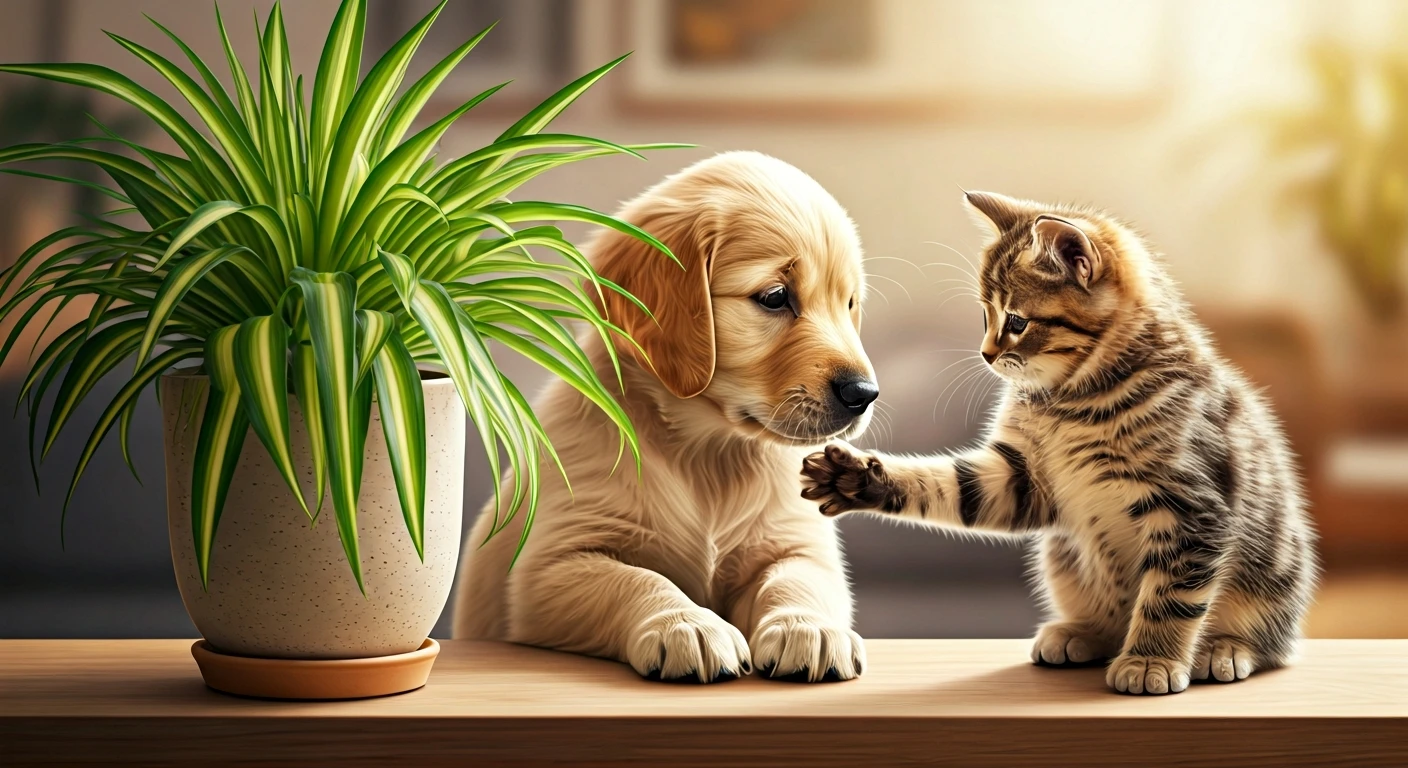




The Ultimate 'Set It and Forget It' Plant
The “worry-free” promise begins with the spider plant’s incredible resilience. This is not a fussy botanical diva; it’s the friend who is happy just to be hanging out. Scientifically known as *Chlorophytum comosum*, the spider plant is famously tolerant
of a wide range of conditions and a fair amount of neglect. Did you forget to water it for a week or two? It will likely forgive you, its fleshy tuberous roots storing water for just such an occasion. Did you place it in a spot with less-than-ideal light? While it prefers bright, indirect sun, it will gamely survive in lower-light corners of your home. This forgiving nature makes it the undisputed champion for beginners who are terrified of killing their first plant, as well as for busy people who want the benefits of greenery without the high-stakes commitment.
Effortless Style for Any Room
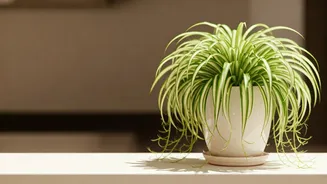
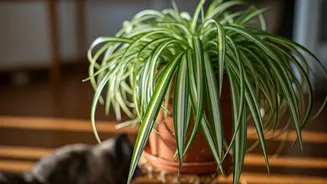
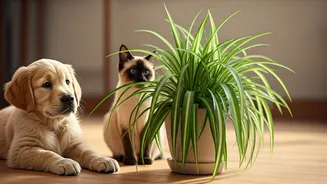
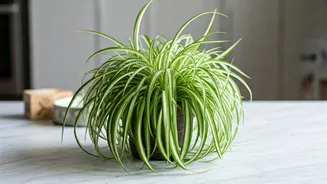
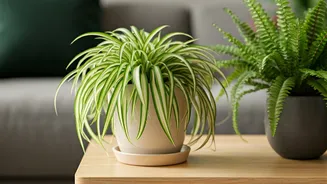
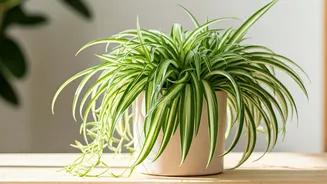
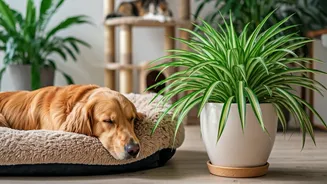
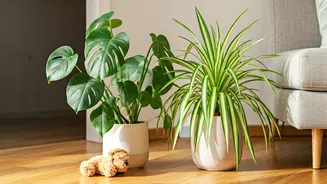
Beyond its hardiness, the spider plant is a design classic. Its fountain-like spray of slender, often variegated leaves—a mix of creamy white and rich green—creates a sense of movement and life. It looks equally at home on a desktop, a bookshelf, or spilling gracefully from a hanging basket. The classic arching form complements minimalist, bohemian, and traditional decor with ease. As the plant matures, it sends out long stems, or “stolons,” which produce small white flowers. After flowering, tiny baby spider plants, often called “spiderettes” or “pups,” develop on these stems. This cascading effect is what gives the plant its name and its signature look, creating a dynamic, multi-layered display that adds texture and visual interest to a room without any complicated styling required.
Simple Care for a Thriving Plant
Keeping a spider plant happy is refreshingly straightforward. For best results, follow these simple guidelines:
* **Light:** Provide bright, indirect light. Direct, scorching sun can burn the leaves, while very low light can cause the variegation to fade. A spot near an east-facing window is often perfect.
* **Water:** Water thoroughly when the top inch or two of soil feels dry. Allow the pot to drain completely, as spider plants don’t like to sit in soggy soil, which can lead to root rot. You’ll water less in the winter than in the spring and summer.
* **Soil:** Use a standard, well-draining potting mix. Most all-purpose indoor plant soils will work just fine.
* **Humidity:** While they appreciate average household humidity, they aren't overly demanding. If you notice brown tips on the leaves, it can sometimes be a sign of dry air or chemicals in tap water. Letting your water sit out overnight before using it can sometimes help.
The Plant That Makes More Plants
One of the most delightful and rewarding aspects of owning a spider plant is its natural tendency to propagate itself. Those charming spiderettes dangling from the mother plant are fully-formed baby plants just waiting for a new home. This makes sharing your plant with friends and family incredibly easy and adds to the “worry-free” experience—you never have to buy another one. To propagate, simply snip off a spiderette that has started to form little nubs or tiny roots at its base. You can place it in a small glass of water until more robust roots develop, or plant it directly into a small pot of moist soil. In a few weeks, you’ll have a brand new, independent plant, ready to start its own journey of creating more plants.
A Note on Air Purification
You may have heard that spider plants are excellent air purifiers, a claim that stems from a famous 1989 NASA Clean Air Study. The study found that spider plants were effective at removing common airborne toxins like formaldehyde and xylene from a sealed chamber. While this is true, it’s important to have realistic expectations for a home environment. The conditions in the NASA study were in a small, sealed lab environment, not a drafty living room. While your spider plant is certainly contributing to a healthier indoor space, you would need a dense indoor jungle—dozens of plants in every room—to significantly replicate the study's results. Think of its air-purifying quality as a small, welcome bonus rather than its primary function.