







The Tether Has Been Cut
For generations, the American career path was geographically rigid. You moved to where the jobs were, typically a dense, expensive metropolitan area. Your home, social life, and commute were all dictated by proximity to an office. The pandemic, however,
forced a nationwide experiment in remote work that, for many white-collar professionals, has become permanent. This wasn't just a temporary shift; it was a fundamental severing of the tether between livelihood and location. Suddenly, a software engineer in San Francisco could do the exact same job from a suburb of Boise, Idaho. This newfound freedom is arguably the single biggest catalyst for the “highway escape.” The ability to keep a coastal salary while living in a lower-cost area created a powerful economic incentive to move, turning a hypothetical dream into a logistical and financial possibility for an entire class of workers.
The Unsolvable Math of City Living
While work flexibility provided the means, economic pressure provided the motive. For many, the math of living in a major U.S. city no longer adds up. Housing costs have soared to astronomical levels, with the median home price in places like New York, Los Angeles, and the Bay Area becoming unattainable for all but the highest earners. Rent swallows an ever-larger portion of monthly income, leaving little for savings, investment, or discretionary spending. This isn’t just about the ultra-rich; it's about teachers, nurses, and mid-level managers feeling squeezed out. The “escape” is often a pragmatic retreat from financial precarity. Moving to a smaller city or a large suburb doesn’t just mean a bigger house; it can mean the ability to own a home at all, build equity, and achieve a level of financial stability that feels increasingly out of reach in major urban cores.
A Search for Space and Sanity
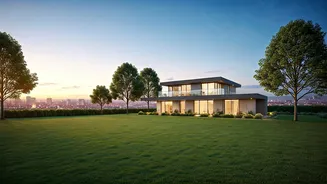
The pandemic lockdowns served as a harsh audit of our living situations. Confined to small apartments, often without private outdoor space, many urbanites began to crave something more. The desire for a yard for the kids to play in, a dedicated home office that isn’t a corner of the bedroom, and a bit of breathing room became a primary driver of domestic migration. This isn’t just about physical space but also mental space. The constant noise, the crowds, the traffic—the very energy that once drew people to cities—began to feel like a liability. The “highway escape” is also an escape from sensory overload. It represents a search for a quieter, slower, and more controlled personal environment where the background hum of life is less demanding and the promise of a peaceful weekend at home feels more attainable.
The American Dream, Remixed
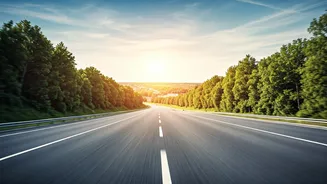
This modern exodus taps into a deep, almost mythological, American impulse. The open road, the promise of a fresh start, and the ideal of self-sufficiency on your own piece of land are themes woven into the nation’s DNA. From the westward expansion to the post-war suburban boom, Americans have always been a people on the move, seeking better opportunities over the horizon. Today’s trend is a 21st-century remix of that same idea. The highway isn’t just a means of escape; it’s a symbol of autonomy. While previous generations fled crowded tenements for suburban tract houses, today’s movers are fleeing crowded cities for “Zoom towns,” exurbs, and revitalized small cities. They are leveraging new technology to chase an old dream: a life with more space, more control, and a stronger connection to their immediate community and environment.