





First, What Is ‘Chaat Energy’?
Before you can find it on a shelf, you have to understand what it is. ‘Chaat’ is less a single dish and more a whole category of savory Indian snacks, a culinary philosophy built on beautiful contradiction. The word itself means “to lick” or “to taste,”
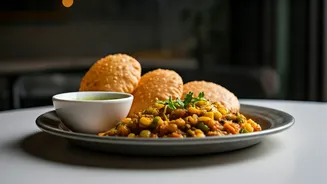
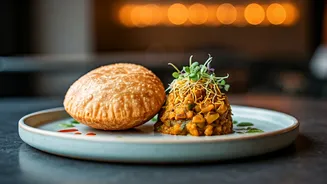
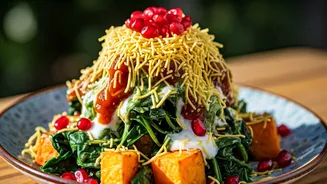
and the experience is a full-on sensory assault. Imagine a base of something crunchy—crispy puffed rice, a hollow puri shell, or a fried potato patty. Now, layer on the textures and flavors: soft chickpeas, cooling yogurt, sweet and tangy tamarind chutney, fiery mint-coriander chutney, sharp raw onions, and a sprinkle of fine, crunchy chickpea flour noodles called sev. The result isn’t just a snack; it’s an event. That explosive, ever-changing combination of hot, cold, sweet, sour, crunchy, and soft is the ‘chaat energy.’ It’s the flavor profile that keeps you coming back for one more bite, chasing the perfect combination of all its elements.
The Journey to the Snack Aisle
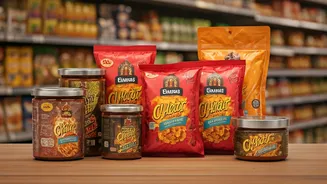
For years, the only way to experience authentic chaat in the U.S. was at a specialty restaurant or in the home of a very good cook. But a new generation of food entrepreneurs, many of them second-generation South Asian Americans, are changing that. They grew up with these flavors and see no reason why they shouldn't be as accessible as salsa or hummus. They are translating the core components of chaat into familiar, consumer-friendly formats. Think potato chips dusted with tamarind and chili, puffed lentil snacks that mimic the airiness of bhel puri, or savory yogurts that channel the cool dahi element. Brands are cleverly deconstructing the chaat experience and selling its most compelling parts. They’re betting that American palates, now accustomed to global flavors like gochujang and sriracha, are ready for the complex, unapologetic punch of chaat.
Authenticity vs. Accessibility
Naturally, this transition raises a classic culinary question: can the magic of a fresh, made-to-order street food ever be truly captured in a shelf-stable package? The purist would say no. Part of chaat’s magic is its spontaneity—the vendor adjusting the spice level on the fly, the textures melding together seconds before you eat them. A bag of chips, however well-seasoned, can't replicate the experience of a pani puri exploding in your mouth, releasing its spicy, flavored water. But that might be missing the point. These products aren’t trying to replace the original; they’re creating a new tribute act. They offer an entry point, a flavor preview for millions who have never stood at a chaat cart. By making these tastes accessible, brands are building a bridge, introducing the foundational flavors of Indian snacking to a much wider audience, potentially driving them to seek out the real thing.
A Sign of a More Confident Palate
This trend is about more than just a new flavor of chips. It represents a maturation of the American food market. For decades, “ethnic” foods were often simplified or toned down to appeal to a perceived mainstream taste. The move toward bold, complex, and specific flavors like chaat signals a new confidence, both from creators and consumers. Founders are no longer asking, “Will this be too much for the American palate?” Instead, they’re proudly centering their cultural heritage, betting that specificity is the new selling point. Shoppers, in turn, are more adventurous than ever, seeking out novel experiences and authentic stories in the food they buy. The rise of chaat-flavored products is proof that the American snack aisle is finally getting more interesting, diverse, and a whole lot more energetic.