


Beyond the Iceberg
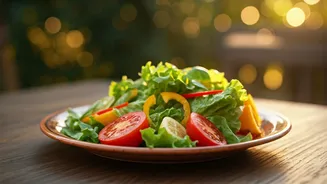
For years, the word “salad” conjured images of a joyless bowl of watery iceberg lettuce, a few pale tomato wedges, and a drizzle of bottled dressing. It was a dietary obligation, not a culinary destination. But something has shifted. We’re in the era
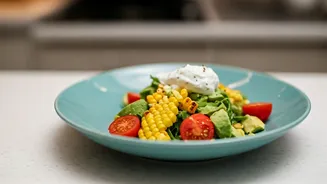
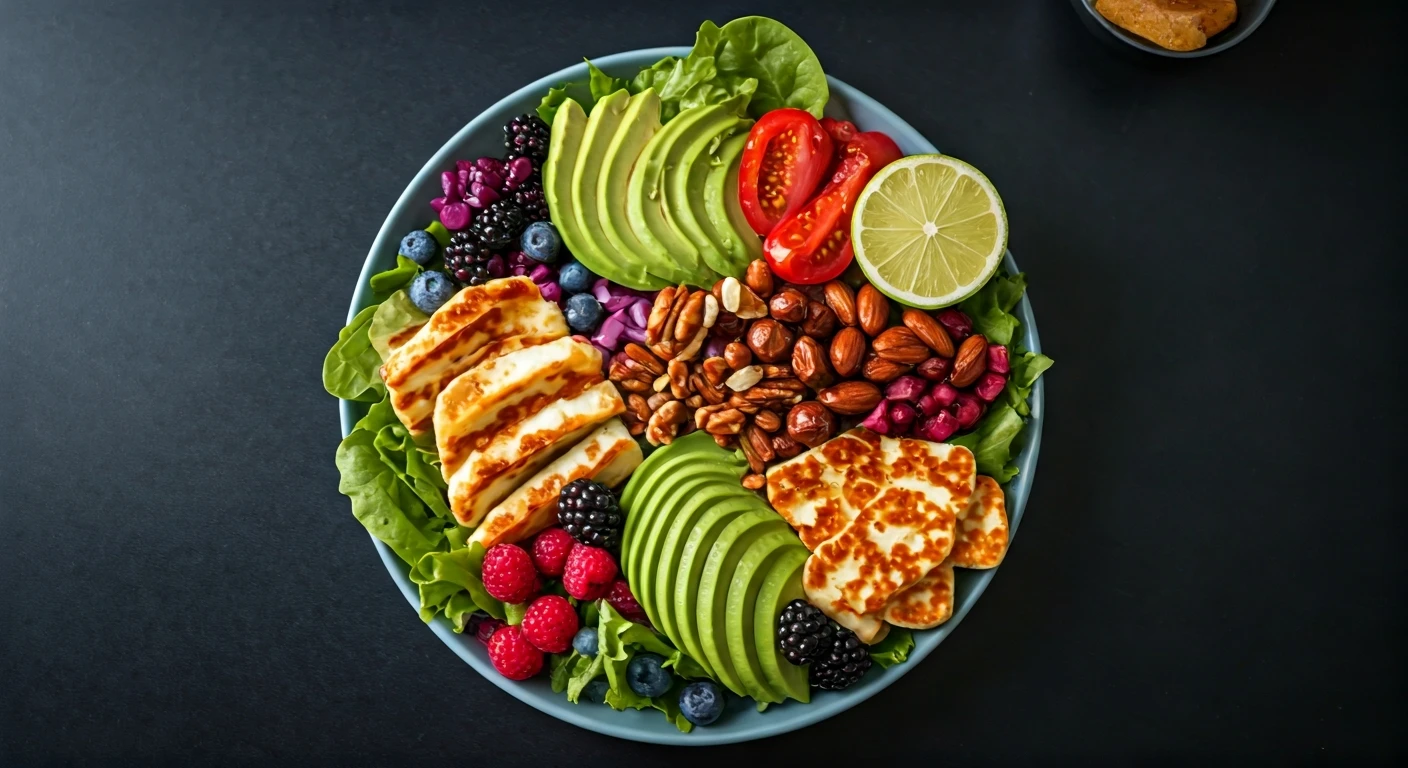
of the Big Salad, a thoughtfully composed plate that serves as a satisfying, complete meal. This isn’t about deprivation; it’s about celebration. The new summer salad is a playground of textures, temperatures, and bold flavors. It’s the crunch of toasted nuts against creamy avocado, the sharp bite of pickled onions cutting through rich cheese, and the hearty foundation of grains or proteins that leaves you full, not just virtuous.
The Nostalgia Plate Gets an Upgrade
Part of this revival is rooted in a familiar place: the past. Classic American salads that once felt dated are making a triumphant return, but with a 21st-century sensibility. Think of the Cobb, the Wedge, or the Caesar. Once relegated to steakhouse menus and country clubs, they’re being reinterpreted with better ingredients and more creative execution. A modern Wedge might swap the traditional blue cheese dressing for a punchy gorgonzola vinaigrette and add crispy prosciutto instead of bacon bits. A Niçoise salad might feature expertly seared fresh tuna instead of the canned variety, alongside vibrant, perfectly blanched green beans and jammy-yolked eggs. It’s comfort food that feels both classic and current.
The Grain Bowl's Cooler Cousin
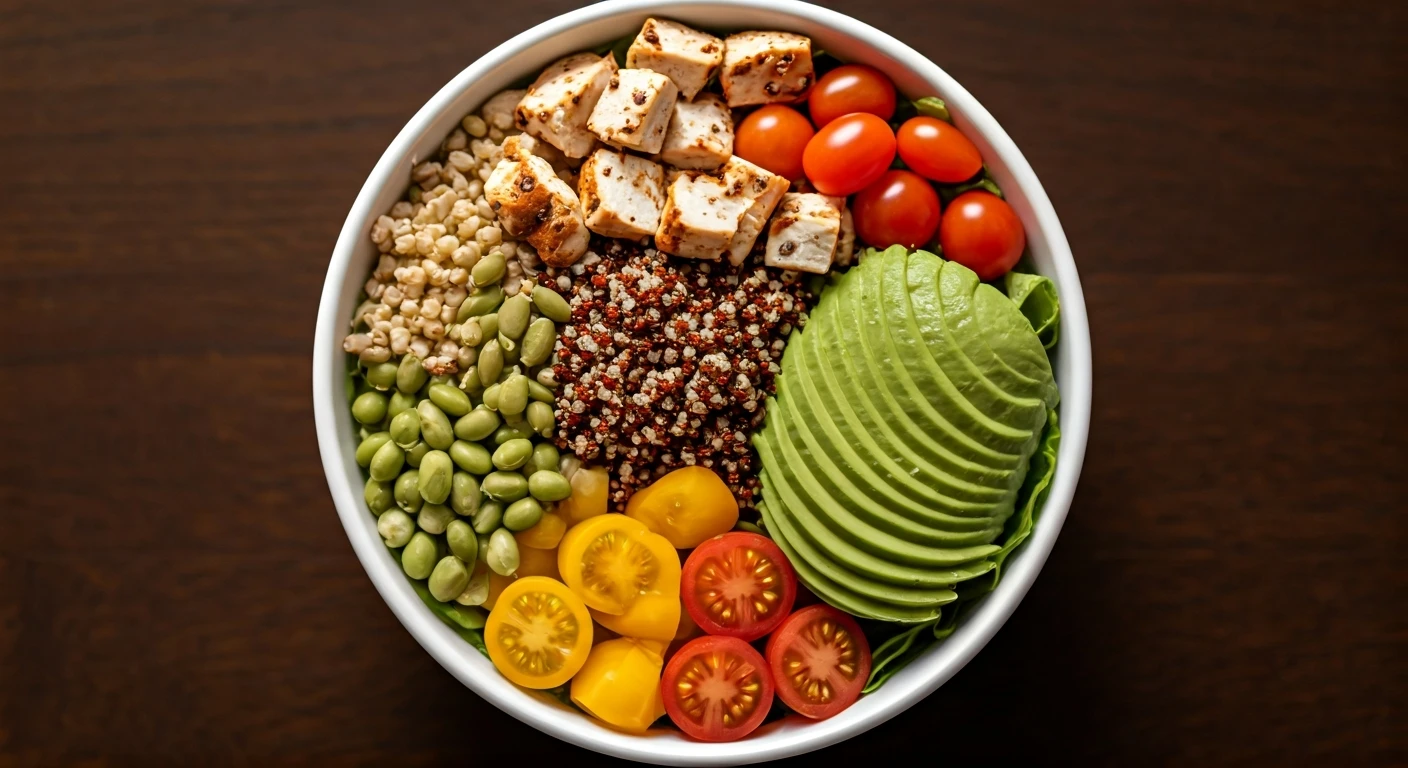
The grain bowl craze of the 2010s walked so the modern cold plate could run. While we still love a good quinoa bowl, today’s iteration feels less like a formula and more like an art form. The base might be nutty farro, chewy pearl couscous, or earthy black rice. But instead of being buried under a mountain of cooked toppings, it’s used as a canvas for fresh, vibrant, and often raw ingredients. Picture a bed of seasoned freekeh topped with chopped cucumbers, fresh mint and parsley, juicy pomegranate seeds, and crumbled feta. It’s a dish that eats like a salad—light and refreshing—but has the satisfying heft of a grain-based meal.
The ‘Girl Dinner’ Effect
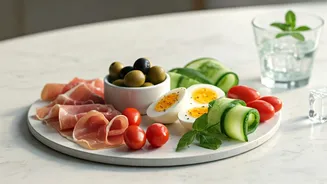
You can’t talk about modern cold plates without acknowledging the influence of social media. The viral “Girl Dinner” trend—essentially a personal, low-effort charcuterie board eaten for a meal—perfectly encapsulates the spirit of this movement. It’s about freedom and intuition. It’s the realization that a plate of good cheese, sliced salami, a handful of olives, some crusty bread, and a few cherry tomatoes is not just a snack; it’s a perfectly legitimate and delicious dinner. This philosophy has bled into salad-making. Why not throw some tinned fish, a hunk of good feta, and a pile of fresh herbs onto a plate and call it a salad? This deconstructed approach ditches rigid recipes in favor of assembling things you love to eat.
Tinned Fish Takes the Spotlight
Perhaps no single ingredient is more emblematic of the cold plate’s resurgence than high-quality tinned fish. Once a humble pantry staple, imported sardines, mackerel, and oil-packed tuna are now chic, desirable centerpieces. Thanks to beautiful packaging and a growing appreciation for their flavor and sustainability, these are not your grandpa’s canned anchovies. A “tinned fish board” is the new cheese plate, and these flavorful fish are the perfect protein to anchor a substantial summer salad. Flaked over roasted potatoes, paired with sharp onions and capers, or mixed with white beans and herbs, they provide an instant hit of savory umami that elevates a simple cold dish into something truly special.