






Why Rain Creates a Perfect Storm for Germs
Monsoon season, while romanticized, presents a perfect trifecta of food safety hazards. First, the heavy downpours often lead to flooding and waterlogging, which can contaminate municipal water supplies and the water used by street vendors for cooking
and cleaning. This unfiltered, tainted water is a primary vehicle for bacteria and viruses that cause illnesses like typhoid, cholera, and gastroenteritis. Second, the spike in humidity creates an ideal breeding ground for bacteria and mold to multiply on food and surfaces at an accelerated rate. What might have stayed fresh for hours in dry heat can spoil much faster. Finally, the damp environment attracts more flies and other pests, which are notorious carriers of disease, easily transferring pathogens from waste to uncovered food.
Reading the Red Flags at a Food Stall
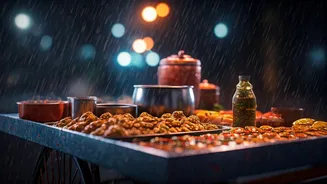
You don’t have to swear off street food entirely, but you do need to become a more discerning customer. Your eyes and nose are your best first line of defense. Does the vendor’s cart and surrounding area look clean? Pay attention to how they handle money and food—are they using gloves or tongs, or are they switching between cash and ingredients with unwashed hands? Look for food that is kept covered and protected from flies. A key indicator of safety is the vendor’s water source. If you see them using water from a large, open drum, it’s a major red flag. Reputable vendors will often use sealed, branded water containers. Finally, trust your gut. If a stall looks grimy or the food smells even slightly off, walk away. There will always be another, better option just down the street.
The Smart Swaps: What to Skip vs. What to Seek
During monsoon, not all street food is created equal. Your safest bets are items that are cooked to order and served piping hot, as high temperatures kill most harmful bacteria. Think freshly fried samosas, hot-off-the-grill kebabs, or steaming momos. On the other hand, be extremely wary of anything that’s been sitting out or involves uncooked ingredients. This includes pre-cut fruit salads, which may have been washed in contaminated water and exposed to the air for hours. Be cautious with fresh chutneys and sauces, especially water-based ones like the spicy water in pani puri (also known as golgappe), which are notorious culprits for stomach bugs. Similarly, avoid fresh juices or local drinks like gola (shaved ice) unless you can verify they were made with purified water and ice.
Your Personal Street Food Survival Kit
A little preparation goes a long way in protecting your health. Always carry a small bottle of alcohol-based hand sanitizer and use it liberally before you eat. Drinking only from sealed, bottled water is non-negotiable; never accept tap water or ice from a street vendor. For an extra layer of protection, some seasoned travelers even bring their own reusable cutlery. It’s also wise to build up your gut health by eating yogurt or taking probiotics, which can help your digestive system fend off milder contaminants. Finally, listen to your body. If you’ve just arrived in a new country, give your system a few days to acclimate before diving into the more adventurous street fare. Sticking to well-known, popular vendors with high turnover is always a safer strategy, as their ingredients are likely to be fresher.