



The Rise of the Conscientious Plant Parent
Not long ago, bringing a new plant home was a simple transaction. You saw it, you liked it, you bought it. But for today’s pet owners, a new step is essential: the pre-purchase background check. This isn't just a fleeting trend; it’s a cultural shift
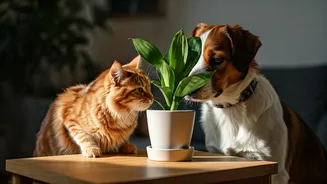
driven by two powerful forces. First, the 'humanization' of pets means we treat our furry companions like family, prioritizing their safety above all else. Second, information is more accessible than ever. A quick search on your phone can pull up the ASPCA's comprehensive list of toxic and non-toxic plants, instantly clarifying whether that alluring monstera is a safe bet for your curious Labrador. Online communities on Reddit and Facebook are filled with experienced owners sharing tips, turning what was once niche knowledge into common practice. We’re no longer just pet owners or plant lovers; we’re curators of safe, beautiful, living environments.
The Safe List: Go-To Greenery
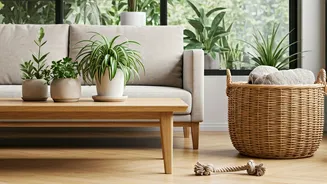
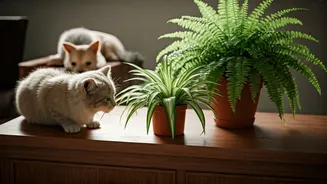
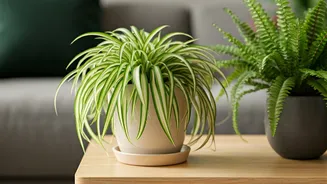
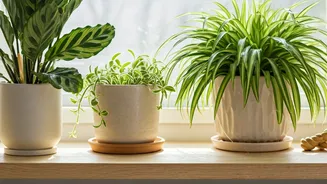
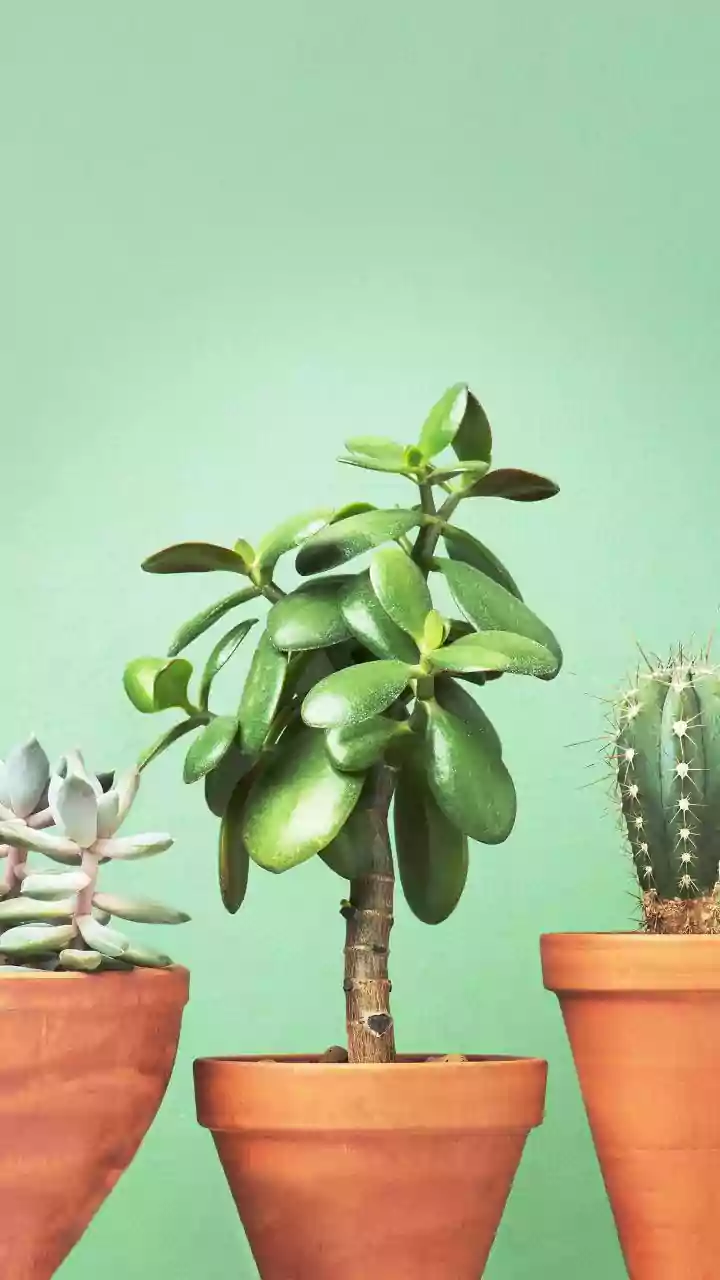
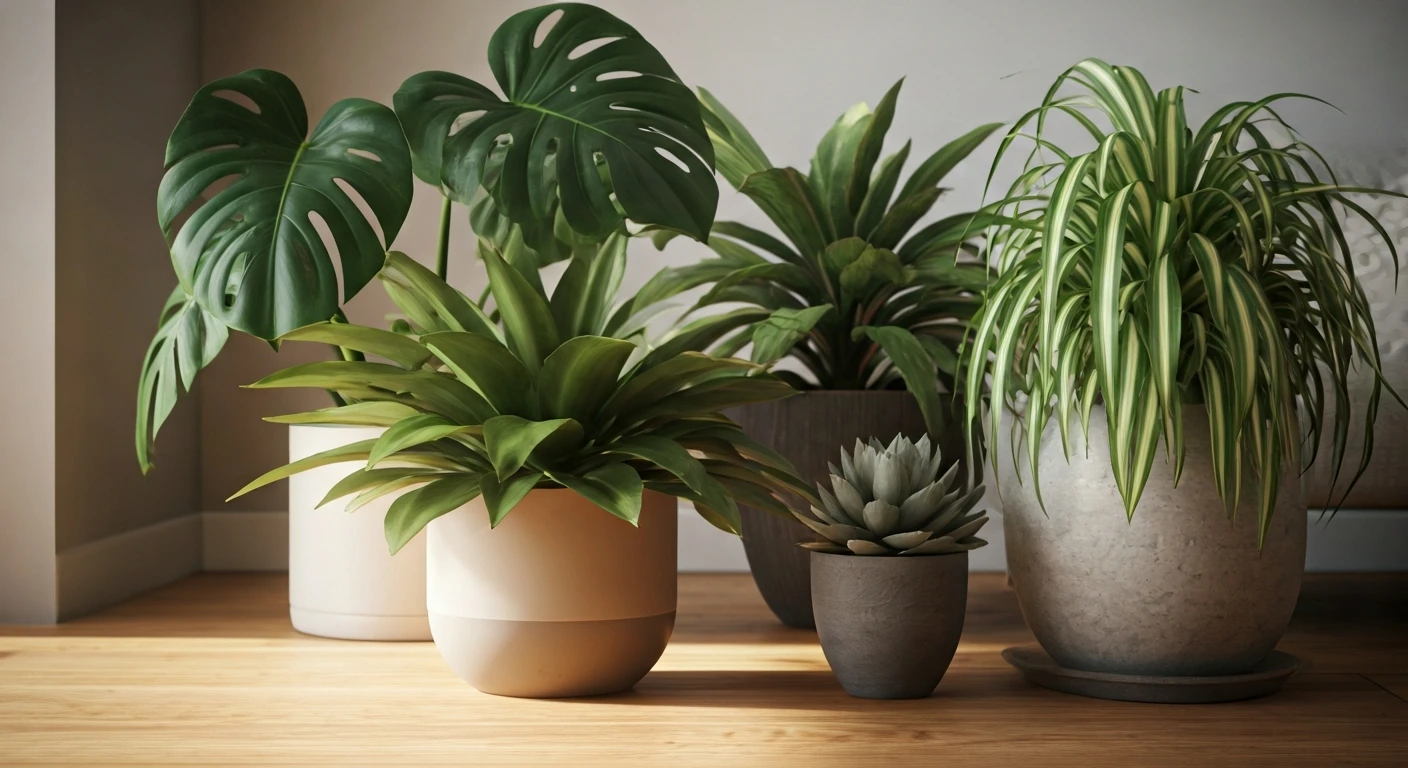
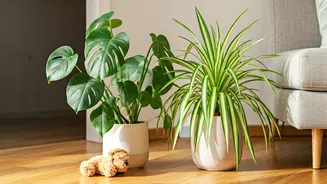
Building a pet-friendly indoor jungle is easier than you think. Many of the most popular and aesthetically pleasing houseplants are perfectly safe for cats and dogs. The Spider Plant, with its air-purifying qualities and cascading baby 'spiderettes,' is non-toxic and endlessly entertaining for cats to bat at. Prayer Plants (Calathea) offer stunning, colorful foliage that moves with the light, adding drama without danger. Ferns like the Boston Fern or Maidenhair Fern are lush, classic, and completely safe. For succulent lovers, Haworthias and Echeverias provide that desert-chic look without the risks posed by other common succulents like Jade Plants. And you can’t go wrong with a Parlor Palm, a low-maintenance and elegant choice that’s been a pet-safe staple for decades.
The Watch List: Common but Toxic
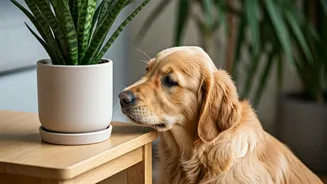
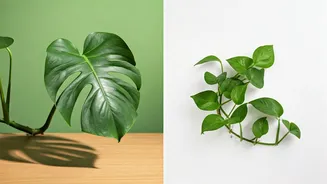
Unfortunately, some of the most iconic houseplants are also the most hazardous. Understanding what makes them dangerous is key to keeping your pets safe. Many popular plants, including the Peace Lily, Pothos, and Philodendron, contain insoluble calcium oxalate crystals. When chewed, these microscopic, needle-like crystals cause intense pain and irritation in the mouth, tongue, and throat, leading to drooling, pawing at the face, and vomiting. Other plants pose a more severe threat. All parts of the Sago Palm are highly toxic, causing liver failure that can be fatal. Lilies, especially Stargazer and Easter lilies, are extremely dangerous for cats; even ingesting a small amount of pollen can lead to kidney failure. The trendy Snake Plant, while great for air quality, is toxic if eaten, causing nausea and vomiting. Knowing the names on this list is the first step to avoiding a veterinary emergency.
Smarter Strategies for a Mixed Home
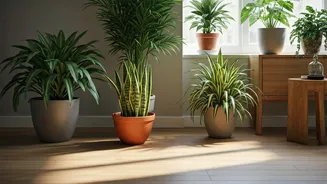
What if you already own a plant from the watch list? You don't necessarily have to get rid of it. Smart placement is your best defense. Utilize vertical space by putting potentially toxic plants on high shelves, in hanging planters, or in rooms that are off-limits to your pets. Some owners find success with deterrents, like spraying leaves with a bitter-tasting but pet-safe spray. It’s also important to observe your pet’s behavior. Some cats and dogs show no interest in plants, while others are notorious chewers. For the latter, it’s best to stick exclusively to a non-toxic collection. The goal isn't to live in a sterile box but to create a harmonious space where both your design sense and your pet’s well-being can flourish. A little planning goes a long way in achieving that balance.