
Beyond the ‘Indian Food’ Monolith
For decades, the idea of “Indian food” both inside and outside the country has been dominated by a handful of rich, Mughlai-influenced dishes from the north, primarily Punjab. It’s a fantastic cuisine, but it represents just one brushstroke in a masterpiece.
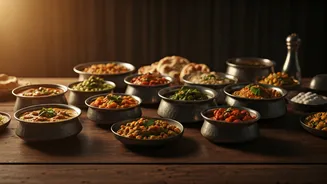
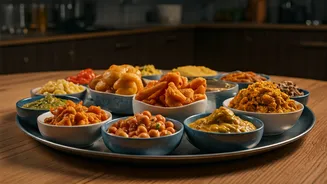
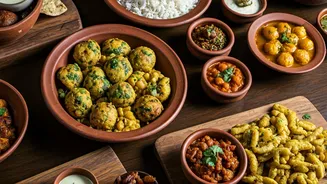
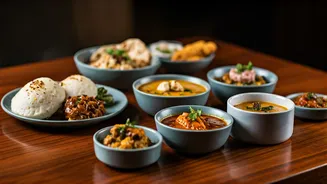
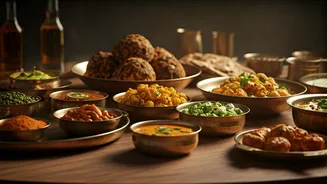
India isn’t a single culinary entity; it’s a continent of distinct kitchens. The spicy, coconut-laced seafood curries of Kerala are a world away from the subtle, fermented flavors of Nagaland. The rustic lentil dishes of Bihar bear little resemblance to the elaborate vegetarian thalis of Gujarat. For a long time, especially as India’s economy opened up, a standardized, pan-Indian restaurant culture and a wave of Western fast food seemed poised to flatten this diversity. Young, urban Indians were as likely to crave a Domino’s pizza as a home-cooked meal. But the pendulum is swinging back, hard. A generation raised on global trends is now leading the charge to reclaim its own culinary heritage, looking past the familiar butter chicken to explore the vast, nuanced food map of their own country.
A Search for Authenticity and Identity
So, what’s driving this change? It's a potent mix of digital savvy and a very human craving for authenticity. Social media, particularly Instagram, has played a massive role. The same platforms that spread global trends are now perfect showcases for the visual splendor of a vibrant Bihari litti chokha platter or a beautifully arranged Bengali macher jhol (fish curry). Food bloggers and influencers have become digital archivists and promoters of their grandmothers’ recipes.
This digital exploration feeds a deeper, more philosophical shift. For many young, globally connected Indians, there’s a growing desire to connect with their roots in a tangible way. In a world of homogenized experiences, eating the food of your specific region is an act of identity. It’s a way of saying, “I’m not just Indian; I am Odia, I am Tamil, I am Assamese.” This isn’t a rejection of modernity but a re-integration of tradition into a modern lifestyle. It mirrors the 'farm-to-table' and 'know your farmer' movements in the U.S., but with a powerful layer of cultural and regional pride.
From Grandma’s Kitchen to Urban Hotspots
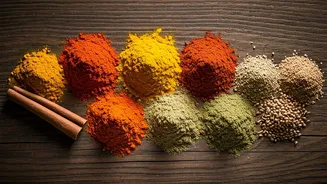
This revival isn’t just happening in home kitchens; it’s transforming the urban dining scene. Cities like Mumbai, Delhi, and Bangalore are now dotted with chic, modern restaurants dedicated to cuisines that were once considered too “homely” or provincial for commercial success. You can now find eateries celebrating the smoky flavors of Northeastern Indian cooking, the complex spice blends of Chettinad cuisine from Tamil Nadu, or the unique dishes of the Malvani coast.
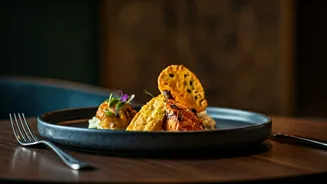
These establishments are run by a new breed of chefs and entrepreneurs who are both curators and innovators. They are meticulously researching and documenting hyper-local recipes, often traveling to remote villages to learn from home cooks. They then present these dishes in a contemporary context—well-plated, in thoughtfully designed spaces, and paired with smart marketing. They’ve made regional food cool, turning a meal into an experience that is both educational and deeply satisfying.
The Delicious Future of Indian Food
This trend is more than just a passing foodie fad. It represents a fundamental shift in how India sees itself. By celebrating its internal diversity, the country is building a more resilient and interesting national identity. For the young generation, championing a lesser-known regional dish is a small but meaningful act of preserving culture in a rapidly changing world.
It also signals a maturation of the Indian palate. Diners are no longer just seeking comfort and familiarity; they are seeking novelty, story, and connection. They want to know where their food comes from, not just in terms of geography, but in terms of culture and history. This newfound curiosity is ensuring that the incredible breadth of India’s culinary traditions won’t just survive, but thrive for generations to come.