

The Ancient Survivor
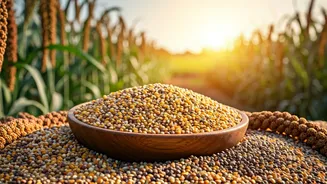
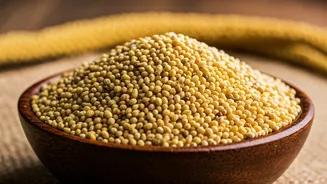
Before there were perfectly curated pantry shelves and viral TikTok recipes, there was millet. This isn't some new-age health fad invented in a California lab; it's one of the oldest cultivated grains on Earth, with evidence of its consumption dating
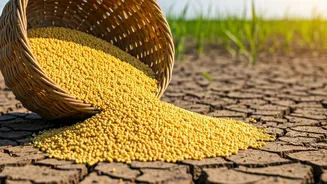
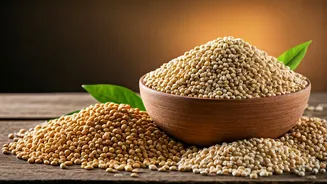
back over 7,000 years in Asia and Africa. While other crops demand perfect conditions, millet is the scrappy survivor. It thrives in arid soil, withstands drought, and matures quickly, making it a lifeline for civilizations long before rice and wheat became global behemoths. That kind of resilience isn't just a historical footnote; it’s the foundation of its swagger. It doesn't need to be coddled. It’s been feeding humanity through thick and thin for millennia, watching other food trends come and go with a knowing, unbothered calm.
A Nutritional Heavyweight
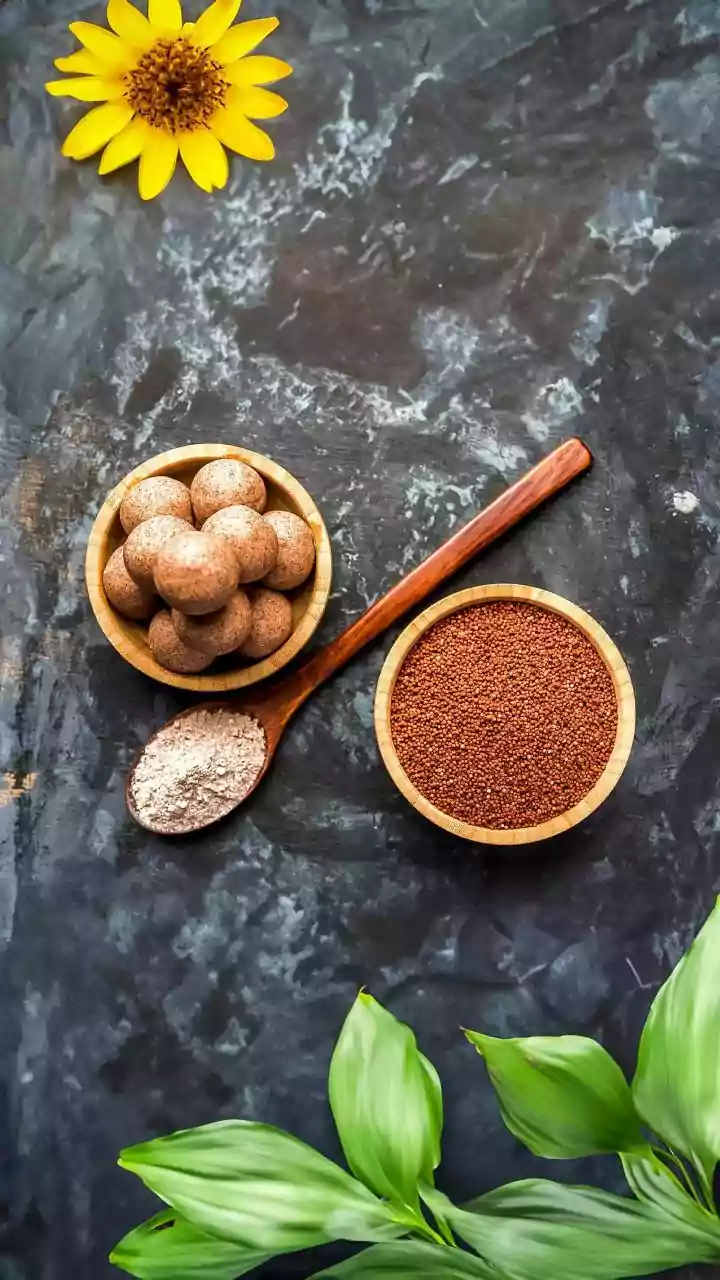
Swagger isn't just about looks; it's about substance. And on that front, millet delivers in spades. For starters, it's naturally gluten-free, making it an easy win for anyone with celiac disease or gluten sensitivity, without requiring any complex processing. But its benefits go far beyond that. Millet is a nutritional powerhouse packed with protein, fiber, and essential minerals like magnesium, phosphorus, and iron. The high fiber content aids in digestion and helps maintain stable blood sugar levels, avoiding the energy crashes associated with more refined grains. Unlike the empty calories that define so much of the modern diet, millet is a complex carbohydrate that provides sustained energy. It's the kind of quiet, confident strength that doesn't need to be advertised on the front of a brightly colored cereal box.
The Planet's Best Friend
Perhaps the most modern and compelling aspect of millet's swagger is its environmental credentials. In an era of climate change and water scarcity, how our food is grown matters more than ever. This is where millet truly separates itself from the pack. It's a famously low-input crop. Many varieties are drought-resistant, requiring significantly less water than corn, rice, or wheat. It can grow in less fertile soil without the need for intensive fertilizers, reducing the chemical runoff that pollutes our waterways. By choosing millet, you're not just picking a healthy grain for your body; you're casting a vote for a more sustainable agricultural system. It’s a climate-smart superfood that was ready for the 21st century’s biggest challenges long before we were.
The Chameleon in the Kitchen
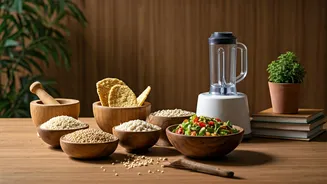
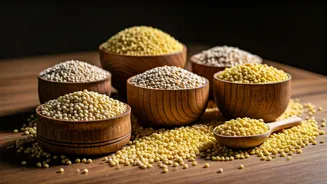
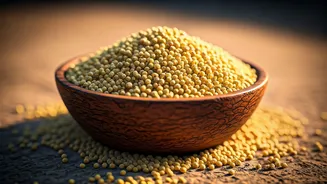
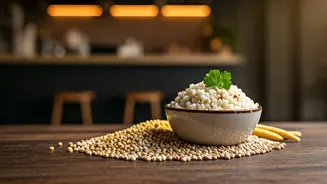
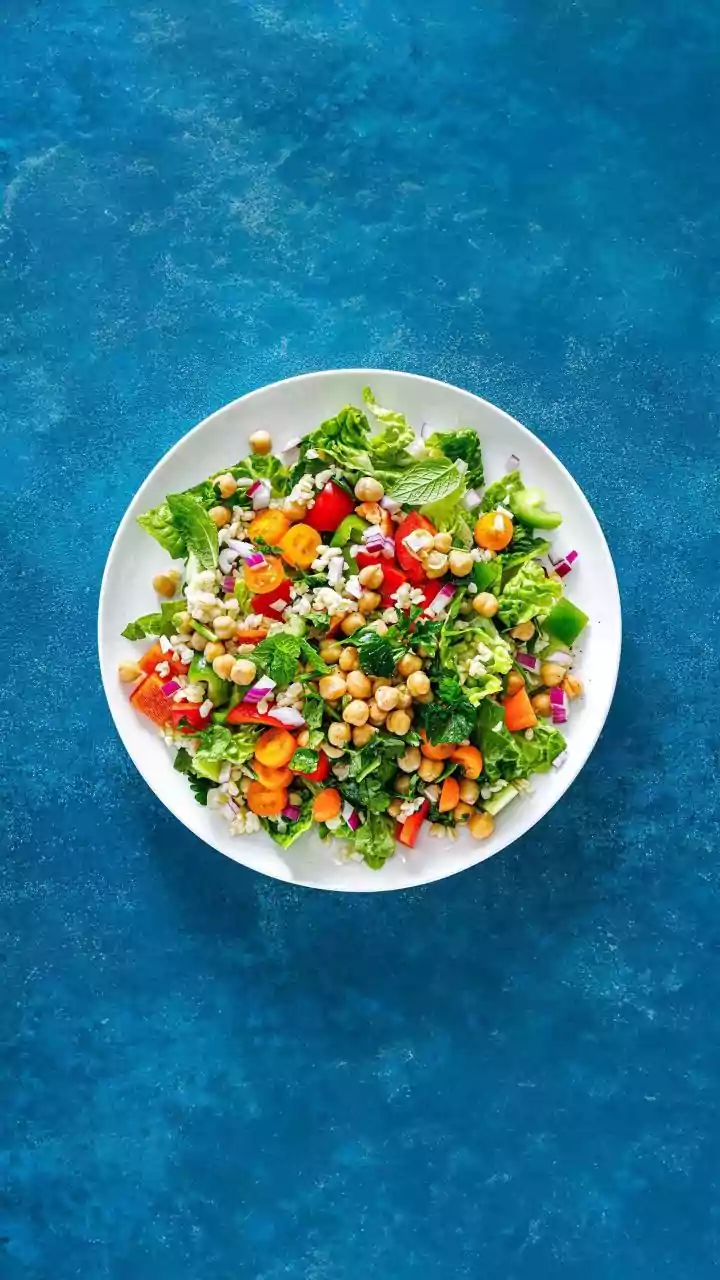
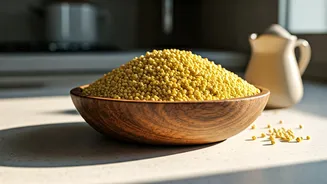
Ultimately, a grain can have all the history and health benefits in the world, but if it's a pain to cook or tastes like cardboard, it's not going to stick around. This is where millet’s final, undeniable bit of swagger comes in: its incredible versatility. Forget the idea that it's just birdseed (though birds do have excellent taste). When cooked, millet can take on a variety of textures depending on how you prepare it. Use less water, and you get a light, fluffy grain that’s a perfect substitute for couscous or rice in pilafs and grain bowls. Add more water and stir, and it transforms into a creamy, comforting porridge akin to polenta or grits. You can pop it like popcorn, toast it for a nutty crunch to sprinkle on salads, or use millet flour for gluten-free baking. It readily absorbs the flavors of whatever it’s cooked with, making it a perfect canvas for everything from a spicy curry to a sweet breakfast bowl with maple and berries.