


A Different Kind of King
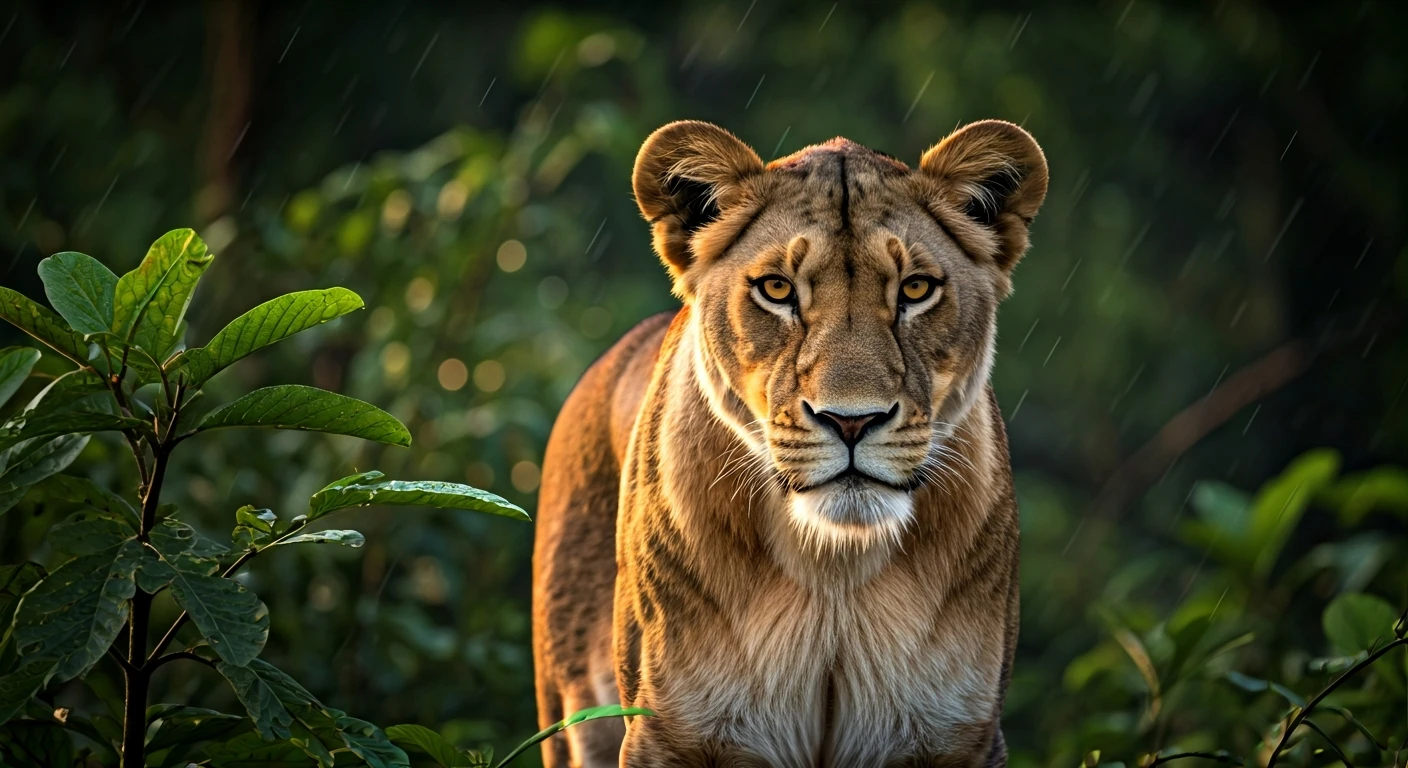
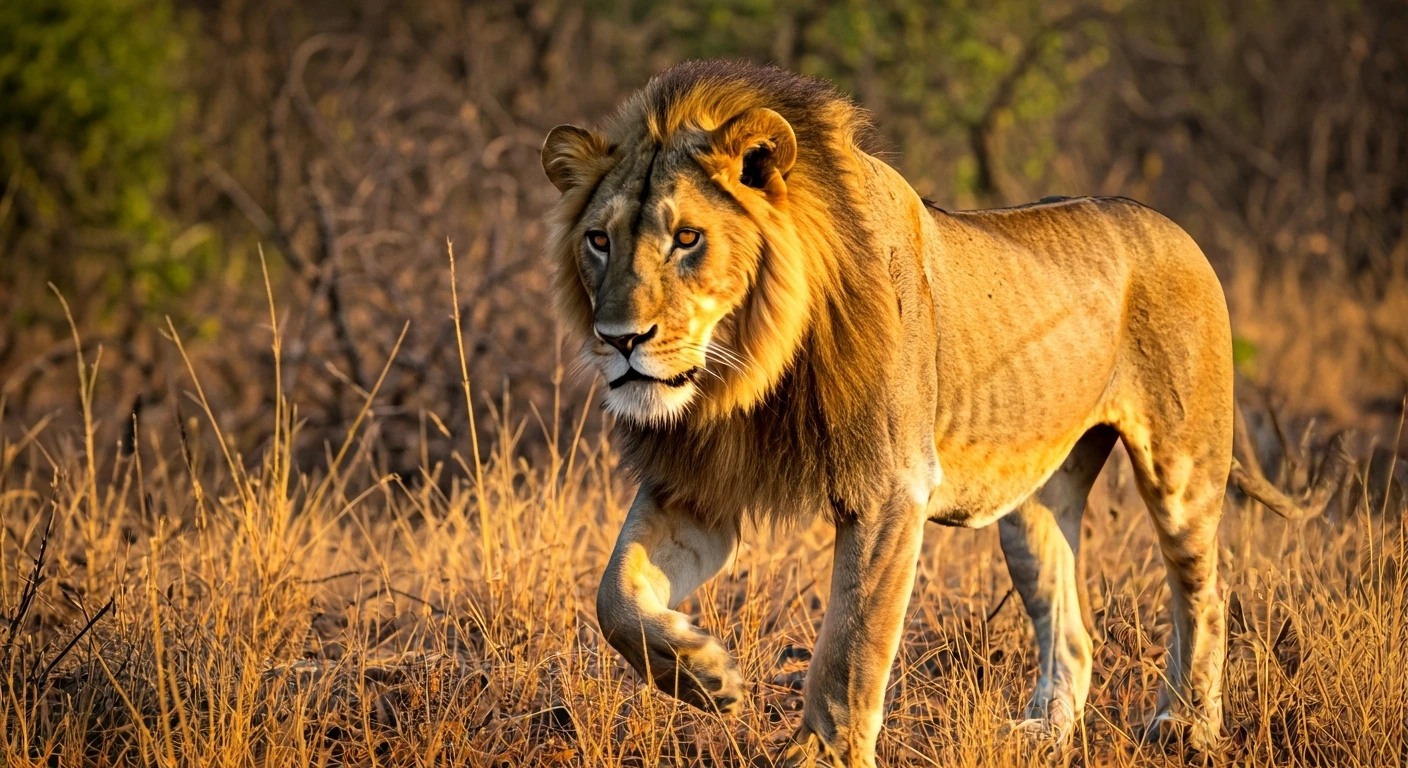
When you picture a lion, you're likely thinking of its African cousin. But thousands of miles away, in a single pocket of forest in western India, lives the Asiatic lion. It’s a distinct, slightly smaller subspecies with a shorter mane, a tell-tale fold
of skin on its belly, and a conservation story that reads like a Hollywood thriller. Down from a terrifyingly low population of just a few dozen animals at the turn of the 20th century, the Asiatic lion has made a spectacular comeback. Thanks to decades of dedicated conservation efforts, their numbers have rebounded to over 600. This isn't just a safari; it's a chance to witness the result of a monumental success story, seeing a species that literally stared extinction in the face and won.
The One and Only: Gir National Park
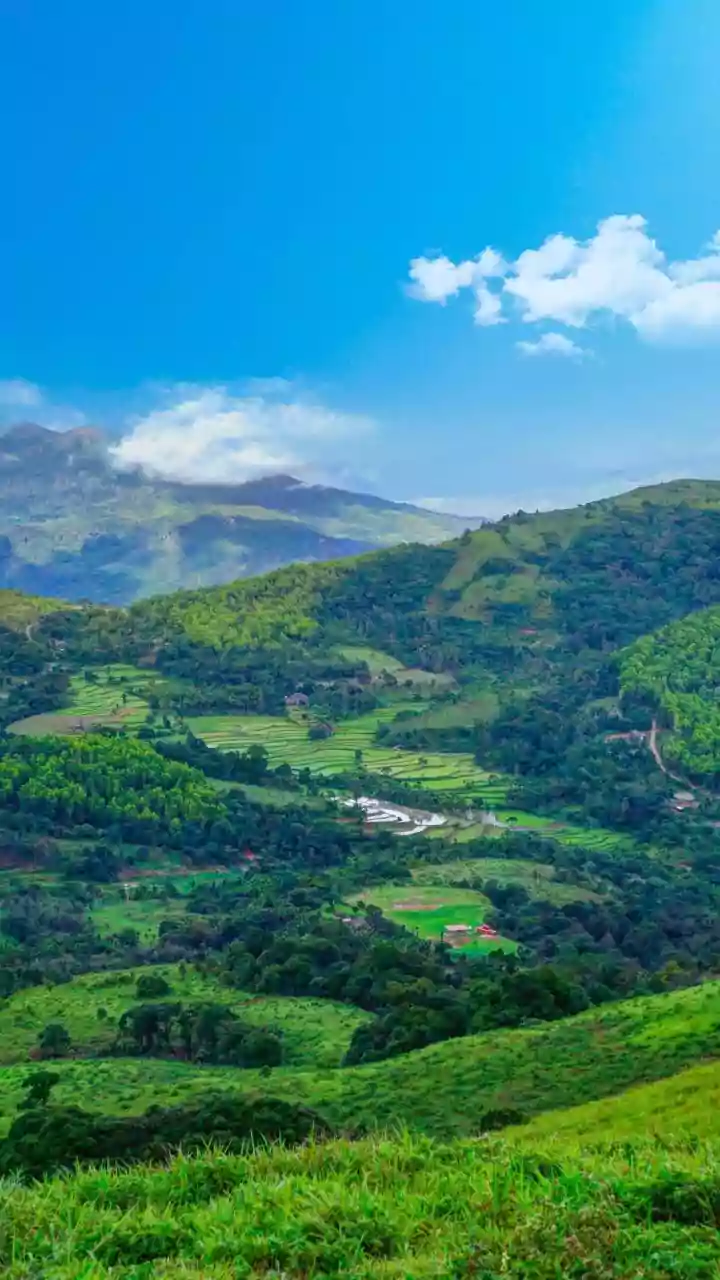
The entire wild population of these magnificent cats is found in one place: Gir National Park and the surrounding sanctuary in the state of Gujarat. This isn't the sweeping savanna of East Africa. Gir is a rugged, beautiful landscape of dry deciduous forest, thorny scrubland, and rocky hills, punctuated by reservoirs and streams. The 545-square-mile protected area is a mosaic of teak trees, acacia, and grasslands that feels ancient and wild. For centuries, this forest has also been home to the Maldhari people, a semi-nomadic pastoral community that coexists with the lions in a complex, often surprisingly harmonious relationship. Seeing their traditional settlements, or *nesses*, within the park is a powerful reminder that this is a living, breathing cultural landscape, not just a wildlife preserve.
Why June is the Magic Month
The headline isn’t just hype; June creates a perfect storm for lion sightings. As the Indian summer reaches its peak before the monsoon rains arrive, temperatures soar. The forest dries up, and water becomes scarce. This forces the lions—and much of their prey—to congregate around the few remaining waterholes, making them far more predictable and visible to safari-goers. This window of opportunity is also intensely fleeting. Gir National Park closes every year around mid-June for the monsoon season, which floods the dirt tracks and makes the park inaccessible until October. This deadline creates a palpable sense of urgency. For wildlife enthusiasts and photographers, the first two weeks of June are the final, frantic chance to get into the park, leading to a surge in bookings and a buzzy, last-chance atmosphere on the safari trails.
What to Expect on a Gir Safari
The experience is raw, dusty, and utterly thrilling. Safaris take place in open-topped 4x4 vehicles, known locally as “Gypsys,” which navigate a network of designated dirt tracks. Departures are typically at the crack of dawn or in the late afternoon to coincide with the animals' most active periods. A government-approved guide is mandatory for every vehicle, and their sharp eyes are often the difference between a fleeting glimpse and a phenomenal sighting. While the lion is the star, Gir is a rich ecosystem. On any given drive, you’re likely to see herds of spotted deer (chital), sambar deer, nilgai (Asia's largest antelope), and wild boar. The park is also a haven for leopards, though they are notoriously elusive, as well as more than 300 species of birds. The safari is a full sensory experience: the alarm calls of monkeys echoing through the trees, the scent of dry earth, and the spine-tingling moment when your guide points to a flash of gold in the undergrowth.