



The Great Indian Snack-Overhaul
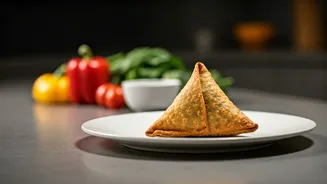
For generations, snacking in India was a communal, indulgent affair. The evening 'chai' was rarely served without a side of something savory and often fried—like crispy 'bhujia', potato-stuffed 'samosas', or lentil 'vadas'. These treats are delicious,
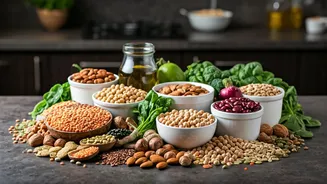
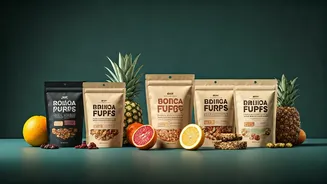
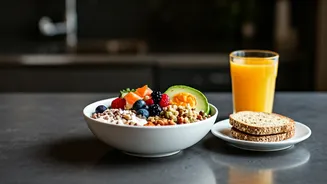
deeply woven into the cultural fabric, and not going anywhere. But they’re now facing stiff competition from a new category of food: the “smart snack.” So, what qualifies? Think of it as the Indian answer to the American wellness aisle. These are products that prioritize what’s on the nutrition label. They are often baked instead of fried, low in sugar, high in protein or fiber, and made with “clean” ingredients. Many revive ancient Indian grains like millet, ragi, and jowar, marketing them in modern, convenient formats like crackers, puffs, and breakfast cereals. Others focus on protein bars with locally inspired flavors like mango-ginger or chocolate-cinnamon, or yogurt cups that challenge the dominance of traditional 'dahi'. It’s a complete re-engineering of the snack, moving it from a guilty pleasure to a functional part of a healthy lifestyle.
Meet the New Indian Consumer
This shift isn't happening in a vacuum. It’s being driven by India’s massive population of millennials and Gen Z, who now represent the largest consumer bloc in the country. Unlike their parents, this generation grew up with the internet. They’re digitally native, globally aware, and heavily influenced by wellness trends on social media. They read labels, they question ingredients, and they’re willing to pay a premium for products that align with their health goals.
Urbanization and busier lifestyles are also key factors. As more young people move to cities for work and live in nuclear families, the time for elaborate, home-cooked snacks has diminished. Convenience has become paramount. But they don't want to sacrifice health for speed. A protein bar they can eat at their desk or a pack of baked lentil chips they can order online offers the perfect solution. This demographic has more disposable income than any generation before it, and they’re channeling a significant portion of it into self-care and personal well-being, starting with what they eat.
A Startup Boom Fueled by Flavor
Sensing this seismic shift, a wave of new-age, direct-to-consumer (D2C) brands has flooded the market. Companies like The Whole Truth, Yoga Bar, Slurrp Farm, and Epigamia have become household names among urban youth. Their playbook is classic D2C: build a strong brand online, engage directly with customers on Instagram, and tell a compelling story about clean ingredients and transparency. The Whole Truth, for example, famously prints every single ingredient in bold on the front of its packaging.
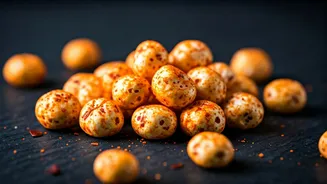
These startups have a crucial edge over legacy food giants. They are nimble, digitally savvy, and deeply in tune with the palate of the modern Indian. They aren’t just importing Western health food trends; they are adapting them. They’re creating 'makhana' (fox nut) pops in peri-peri flavor or crafting energy bars with dates and nuts, tapping into familiar tastes while delivering on the promise of health. After building a loyal following online, many are now making the jump to mainstream supermarkets, placing their brightly packaged goods right next to the traditional brands they aim to disrupt.
More Than a Fad, It's a Market Force
This isn’t just a niche trend confined to a few wealthy city dwellers. The Indian “healthy snack” market is exploding, projected to be worth billions of dollars and growing at a double-digit pace. It signals a deeper maturation of the Indian consumer market. As incomes rise, consumers naturally move up the value chain—a phenomenon called “premiumization.” They no longer want just the cheapest option; they want the best option for them.
For international food and beverage giants, this presents both a threat and a massive opportunity. Legacy players like PepsiCo (owner of Lay's and Kurkure) and Nestlé are now scrambling to launch their own healthier lines or acquire the successful startups that have already cracked the code. The battle for India's snack time is heating up, and it’s being fought on the terrain of health, transparency, and modern convenience.