


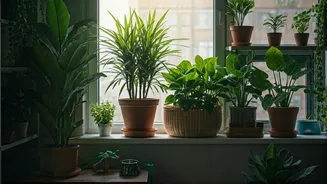


The Green Home vs. The Curious Pet
Bringing plants indoors can purify the air, boost your mood, and add a touch of natural elegance to any room. But for millions of American households with cats and dogs, it also introduces a potential hazard. Many common and beautiful houseplants—like
lilies, oleander, and sago palms—are highly toxic to pets, capable of causing everything from mild indigestion to severe organ failure. This creates a frustrating dilemma for animal lovers who also have a green thumb. The search for plants that are both aesthetically pleasing and verifiably safe can feel overwhelming. Fortunately, you don't have to choose between a vibrant living space and your pet's well-being. The key is knowing which species to embrace.
Star of the Show: The Spider Plant
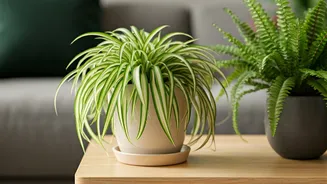
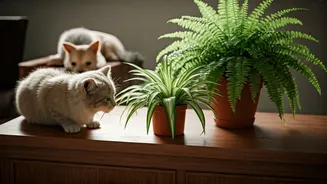
The Spider Plant (Chlorophytum comosum) is a champion of pet-friendly homes for good reason. Recognized as non-toxic to cats and dogs by the ASPCA, it’s a perfect starting point for worried pet owners. Its signature look features gracefully arching leaves, often variegated with white or cream stripes, that spill out from a central crown. One of its most charming features is the production of “spiderettes”—tiny baby plants that dangle from long stems, resembling spiders on a thread. These can be easily snipped and propagated to create new plants for yourself or to give to friends.
Beyond its safety, the Spider Plant is famously low-maintenance. It thrives in a wide range of conditions but prefers bright, indirect light. It's also quite forgiving if you occasionally forget to water it, thanks to the thick, water-storing tubers in its root system. Allow the top inch or two of soil to dry out between waterings. As an added bonus, Spider Plants are renowned for their air-purifying capabilities, effectively filtering common indoor pollutants.
A Lush Classic: The Boston Fern
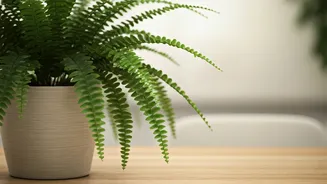
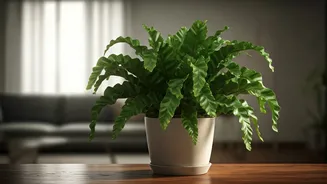
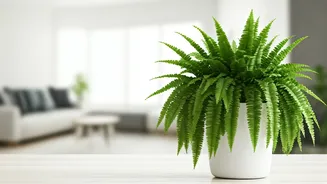
For those seeking a lush, feathery texture, the Boston Fern (Nephrolepis exaltata) is an unbeatable and safe choice. Also on the ASPCA’s non-toxic list, its dense, ruffled fronds create a vibrant splash of green that can soften any interior. Boston Ferns are ideal for hanging baskets, where their cascading leaves can be fully appreciated, or for placing on pedestals where they add a touch of Victorian-era charm without the fuss.
While perfectly safe for curious pets to bat at or brush against, the Boston Fern does require a bit more attention than the hardy Spider Plant. Its primary need is consistent moisture and high humidity. It doesn’t like to dry out completely, so keep the soil lightly moist. Misting the fronds every few days or placing the pot on a pebble tray with water can help replicate the humid environment it loves. A bright bathroom with indirect light is often a perfect home for a Boston Fern, as the steam from the shower provides natural humidity. Despite its needs, the payoff is a stunning, full-bodied plant that poses no threat to your four-legged family members.
A Note on "Safe" vs. "Snackable"
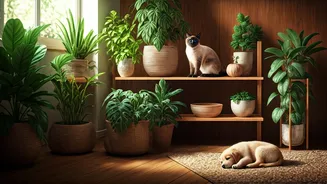
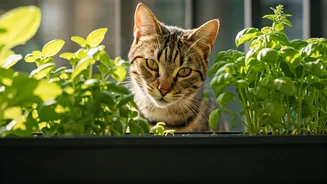
It's important to understand what “non-toxic” means. While plants like Spider Plants and Boston Ferns don't contain compounds that will poison your pet, they aren't meant to be a meal. If a cat or dog ingests a large quantity of any plant matter, it can still lead to mild gastrointestinal upset, like vomiting or diarrhea. This is the body’s natural reaction to indigestible fibrous material, not a sign of poisoning. Furthermore, cats are sometimes attracted to the stringy leaves of Spider Plants, which can pose a minor choking hazard if a large piece is swallowed. The best practice is to place even safe plants in a spot that discourages routine snacking, such as on a high shelf or in a hanging planter, allowing you and your pets to coexist peacefully.
Common Plants to Always Avoid
Knowing what’s safe is half the battle; knowing what’s dangerous is the other. To underscore the importance of choosing wisely, here are a few extremely common houseplants that are toxic to pets and should be kept out of homes with curious animals:
* Lilies: All parts of true lilies (Lilium species) and daylilies (Hemerocallis species) are severely toxic to cats and can cause kidney failure.
* Sago Palm: This popular plant looks like a mini palm tree but is highly toxic, causing liver failure and death if ingested.
* Pothos and Philodendron: While very popular and easy to care for, they contain calcium oxalate crystals that cause intense oral irritation, drooling, and swelling if chewed.
* Tulips and Hyacinths: The bulbs contain the highest concentration of toxins and can cause serious gastrointestinal issues if eaten.