



The Super Grain You've Been Missing
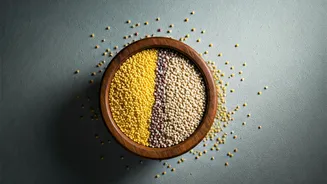
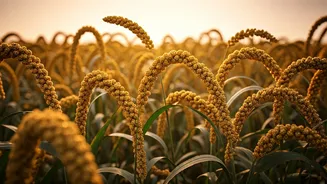
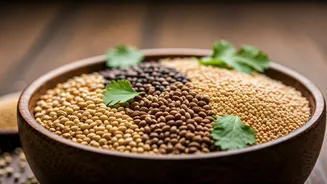
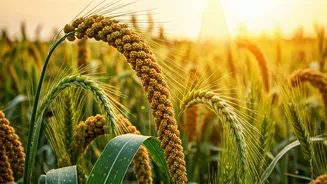
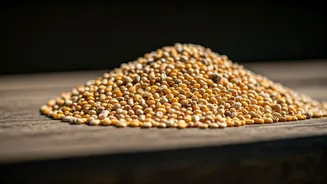
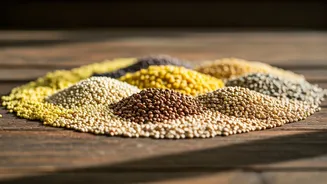
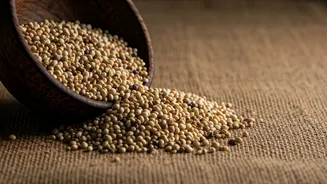
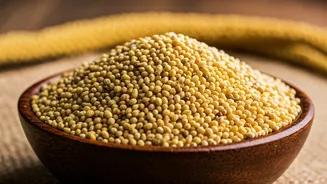
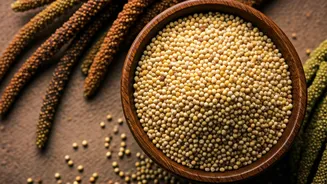
First, let's clear things up: millet isn't a single grain. It's a family of small-seeded grasses that have been cultivated for over 7,000 years across Asia and Africa. You might have seen it as the primary ingredient in birdseed, but its human potential
is far more exciting. Varieties like pearl, foxtail, and finger millet are nutritional powerhouses, often referred to as 'nutri-cereals.'Naturally gluten-free, millets are a boon for those with celiac disease or gluten sensitivity. They are packed with fiber, which aids digestion and promotes a feeling of fullness, making them a smart choice for weight management. Furthermore, they boast a low glycemic index, meaning they release sugar into the bloodstream slowly, helping to manage blood sugar levels—a critical benefit in the fight against diabetes. Rich in protein, antioxidants, and essential minerals like magnesium and iron, they easily outshine more processed staples like white rice and refined wheat flour.
Why India Is Leading the Charge
India’s connection to millets is ancient, but its modern advocacy is a calculated, strategic push. At India’s behest, the United Nations declared 2023 the “International Year of Millets,” a massive global marketing campaign designed to reintroduce the world to these forgotten grains. Prime Minister Narendra Modi’s government has made millets a cornerstone of its agricultural and nutritional policy.Why the sudden push? It’s a multi-pronged solution to several national challenges. With rising rates of diabetes and heart disease, India is promoting millets as a healthier alternative to the wheat and rice that dominate the modern Indian diet. This campaign also aims to boost the income of small-scale farmers, many of whom grow millets in arid regions where other crops fail. By creating a robust domestic and international market, the government hopes to make millet farming more profitable and secure.
A Climate-Smart Staple for a Warming World
Beyond the health benefits, the real superpower of millets may be their resilience. Dubbed “climate-smart crops,” they are perfectly adapted to harsh conditions. Millets require significantly less water than rice or wheat, a crucial advantage in an era of increasing water scarcity. They are highly drought-tolerant and can grow in poor soil with minimal need for fertilizers or pesticides.This agricultural hardiness is what makes them so vital for global food security. As climate change disrupts traditional farming patterns with unpredictable weather and prolonged droughts, millets offer a reliable food source that is both sustainable and nutritious. For farmers in India's dryland regions, planting millets isn't just a choice; it's a centuries-old survival strategy that modern science is finally recognizing as a blueprint for the future of agriculture.
From 'Poor Man's Food' to Gourmet Staple
For decades, millets carried a stigma in India. The Green Revolution in the 1960s prioritized high-yield wheat and rice to combat famine, and government policies subsidized these crops heavily. As a result, millets were pushed to the margins, becoming known as “coarse grains” or the food of the rural poor. But now, that perception is undergoing a dramatic reversal.Today, you can find millets in trendy urban cafes in Mumbai and Delhi, featured in everything from dosas and breads to risotto and craft beer. Chefs are reimagining traditional recipes, and startups are launching millet-based snacks, pastas, and breakfast cereals. This rebranding is a crucial part of the revival. By positioning millets as a modern, healthy, and aspirational food, India is not just reviving a crop but also reclaiming a piece of its culinary heritage and presenting it to the world as a chic, conscious choice.