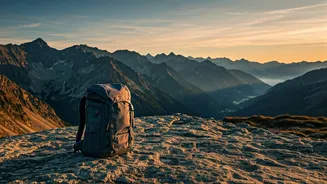





The Experience Economy Hits the Trail
For many Millennials and Gen Z-ers, the most valuable currency isn’t what you own, but what you’ve done. This is the bedrock of the 'experience economy,' a well-documented shift in consumer behavior that prioritizes memorable activities over material
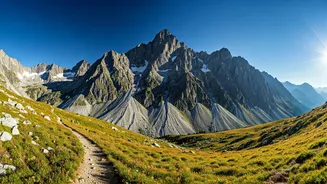
possessions. Trekking fits this new value system perfectly. It offers a powerful narrative of challenge, perseverance, and discovery. A grueling 10-mile hike to a glacial lake provides a far more compelling story to share—and a more profound sense of accomplishment—than a weekend spent shopping. This isn't just about a vacation; it's about personal growth, collecting stories, and building an identity rooted in action rather than acquisition. The purchase of a durable backpack or high-tech hiking shoes is seen not as a luxury expense, but as an investment in future adventures.
A Digital Detox in a Hyper-Connected World
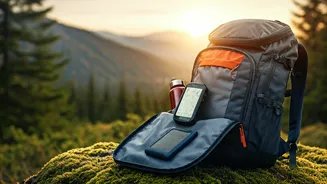
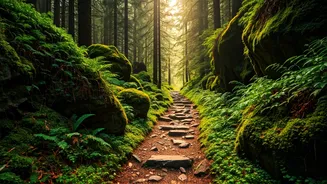
Born into a world of constant connectivity, younger generations are also the most acutely aware of its downsides. The relentless barrage of notifications, the pressure to be perpetually online, and the mental fatigue of screen time have created a powerful craving for genuine escape. Trekking offers one of the purest forms of digital detox available. In many of America’s most stunning national parks and wilderness areas, cell service is spotty or nonexistent by design. This forced disconnection allows for a mental reset that’s difficult to achieve elsewhere. The focus shifts from a glowing screen to the tangible world: the sound of wind in the pines, the feeling of sun on your skin, and the simple, meditative rhythm of putting one foot in front of the other. It’s a conscious rebellion against the noise of modern life.
Scenery as the New Social Status
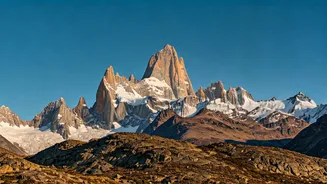
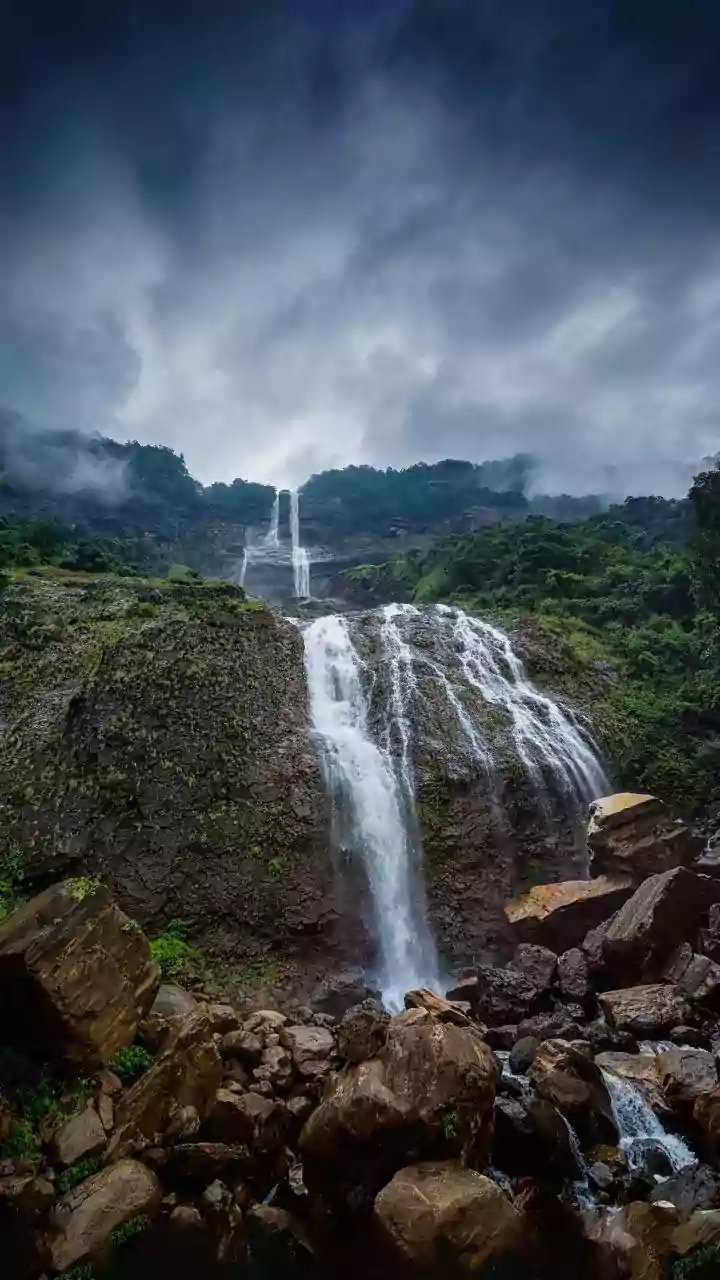
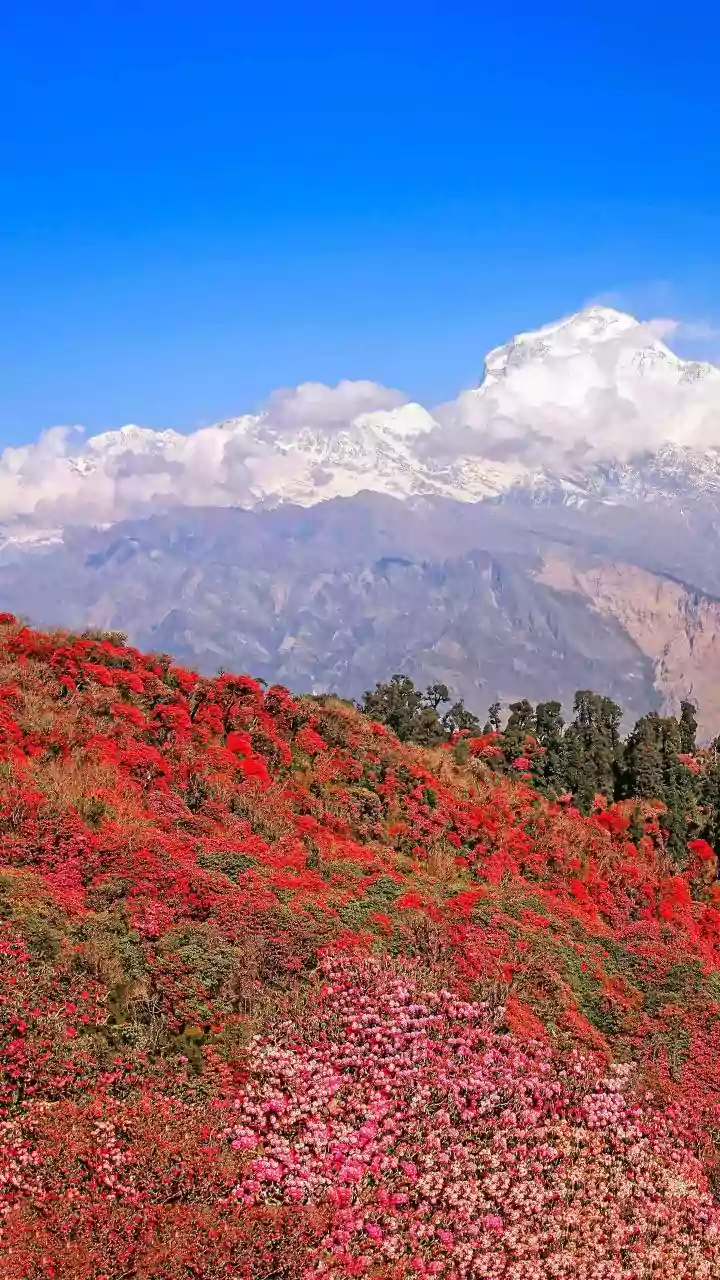
While trekking provides an escape from the digital world, it’s ironically also fueled by it. Social media platforms, particularly Instagram, have transformed remote landscapes into coveted status symbols. The epic sunrise from the top of Cadillac Mountain or the turquoise waters of Havasu Falls have become the new visual shorthand for a life well-lived. This isn’t necessarily a shallow pursuit. For many, the desire to capture and share these beautiful moments is a primary motivator to get out the door and undertake a challenging journey. The 'Instagrammable' viewpoint has become a destination in itself, democratizing the allure of the outdoors and inspiring countless people who might not have otherwise considered a hiking trip. It has created a virtuous cycle where seeing inspiring images leads to real-world adventures.
Wellness Beyond the Yoga Mat
The modern concept of wellness has expanded far beyond diet and gym routines to encompass mental and emotional well-being. Trekking sits at the intersection of these priorities. The physical benefits are obvious—cardiovascular health, strength, endurance—but the mental health advantages are just as significant. Studies and anecdotal reports alike highlight the restorative effects of spending time in nature, a concept known as 'ecotherapy.' The combination of physical exertion, fresh air, and awe-inspiring scenery can reduce stress, anxiety, and symptoms of depression. For a generation that openly discusses mental health, choosing a vacation that actively promotes psychological well-being over simple indulgence is a logical and increasingly popular choice.
From Gatekeepers to Guides
In the past, trekking and serious hiking could feel intimidating, a domain reserved for seasoned mountaineers with specialized knowledge and expensive gear. That perception has shattered. Technology and community have lowered the barrier to entry dramatically. Apps like AllTrails and Gaia GPS provide detailed maps, trail conditions, and user reviews, taking the guesswork out of planning. Online communities on Facebook and Reddit offer a space for beginners to ask questions and share tips. Furthermore, outdoor brands have shifted their marketing to be more inclusive, featuring a wider diversity of body types, ethnicities, and skill levels. The message is no longer about conquering the mountain, but about enjoying it your own way, making the outdoors feel more accessible and welcoming to everyone.