





More Than Just a Deep Breath
So, what exactly is “breathwork”? It’s a bit more involved than the “just breathe” advice you get when you’re stressed. Breathwork is an umbrella term for various active breathing techniques designed to consciously change your breathing pattern to influence
your mental, emotional, and physical state. Unlike mindfulness meditation, where the breath is a passive anchor for your attention, breathwork uses it as an active tool. The practices can range from simple, calming patterns like “box breathing” (inhale for four, hold for four, exhale for four, hold for four) to more intense, cathartic styles like Holotropic or Rebirthing breathwork, which can lead to significant emotional releases and altered states of consciousness. At its core, it’s about using the power of your own respiratory system to reset your nervous system.
From Niche Practice to Luxury Amenity
For decades, intentional breathing was the domain of yogis practicing pranayama or niche therapeutic communities. Now, it’s a status symbol. The shift isn’t accidental. The post-pandemic world has left many Americans feeling chronically stressed, anxious, and disconnected. We’re searching for effective tools to manage our inner chaos, and the wellness industry has been listening. Breathwork offers an appealing solution: it’s non-denominational, requires no special equipment, and promises tangible results—often in a single session. For wellness hotels, it’s the perfect offering. It feels ancient and authentic yet is easily packaged into a modern, marketable experience that justifies a premium price tag. It signals that a hotel is not just about pampering the body, but also about healing the mind.
What to Expect at Check-In
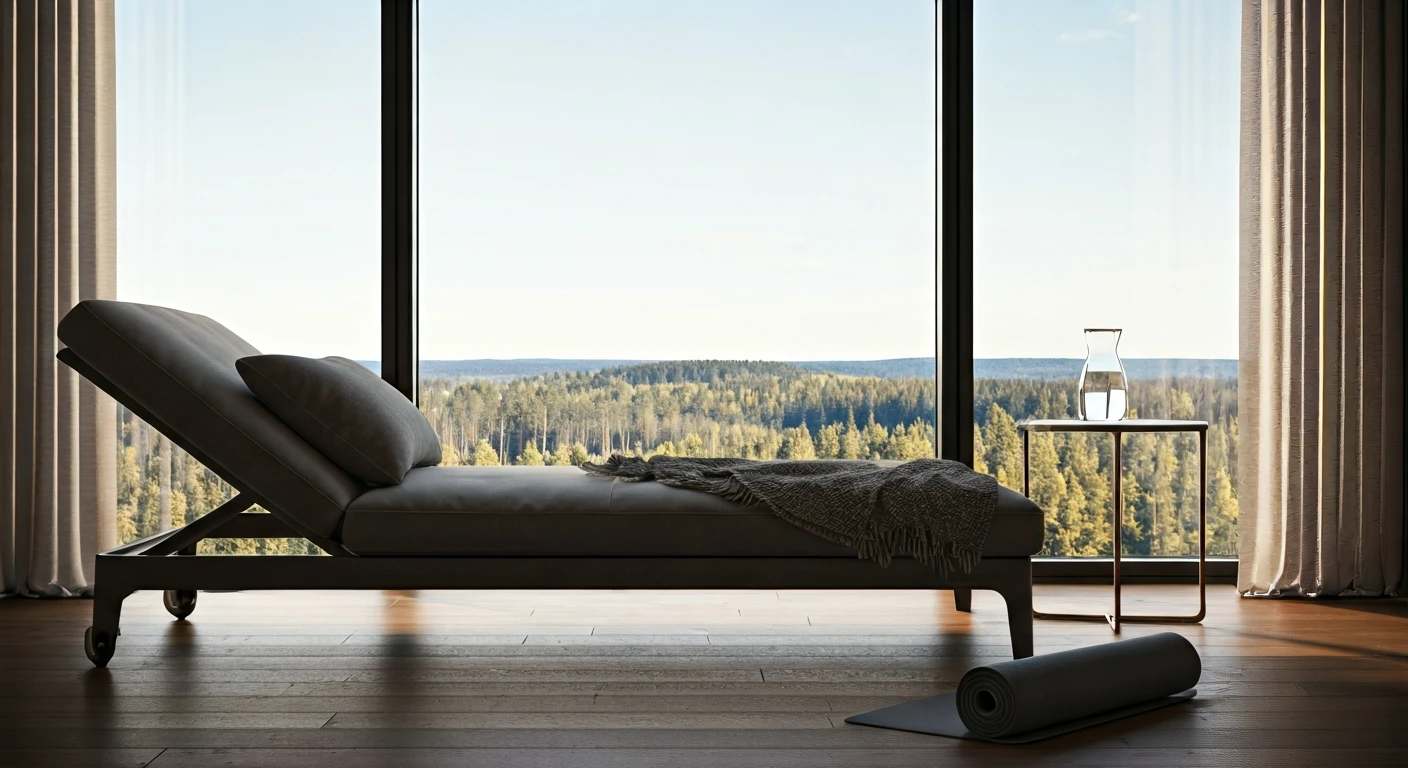
When a hotel like the Six Senses Ibiza or Equinox Hotel in New York City offers breathwork, it’s a far cry from a YouTube tutorial. These are curated, often personalized experiences. Guests might find a group “Somatic Breathwork Journey” on the weekly activity schedule, right next to sunrise yoga. These classes are typically held in serene, beautifully designed spaces, led by a certified facilitator who guides participants through the breathing patterns, often set to a carefully selected music playlist. The goal is to bypass the thinking mind and tap into the body. For a higher price, guests can book one-on-one sessions. A private guide might work with you to release a specific emotional blockage or simply teach you techniques to manage anxiety long after you’ve checked out. The experience is designed to feel transformative, a key part of the “journey” the hotel is selling.
The Science and the Skepticism
There’s real science backing up some of the claims. Controlled, diaphragmatic breathing has been shown to stimulate the vagus nerve, activating the parasympathetic nervous system—the body's “rest and digest” mode. This can lower heart rate, reduce blood pressure, and decrease levels of the stress hormone cortisol. It’s a physiological hack to calm yourself down. However, skepticism often surrounds the more intense forms of breathwork and their lofty promises of spiritual breakthroughs or trauma release, which are