




Defining the 'Forest Holiday'
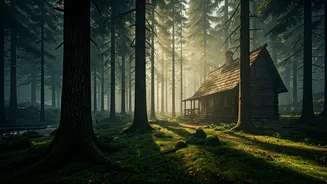
Forget the logistical gauntlet of international flights or the packed itineraries of a city break. The forest holiday is a masterclass in minimalism. It’s about renting a design-conscious but rustic cabin—think brands like Getaway, AutoCamp, or independent
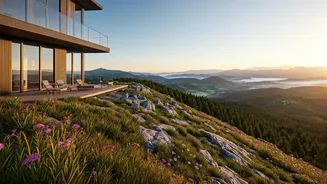
spots found on Airbnb—and intentionally doing very little. The key elements are immersion in nature, a distinct lack of crowds, and an aesthetic best described as 'cabin core.' It’s less about 'roughing it' and more about 'smoothing it out.' These aren't primitive survival trips; they are curated retreats featuring cozy blankets, well-equipped kitchenettes, and, most importantly, large picture windows to frame the woodland scenery. The goal isn't conquering the wilderness, but simply coexisting with it for a few days.
The Influencer Pivot to Stillness
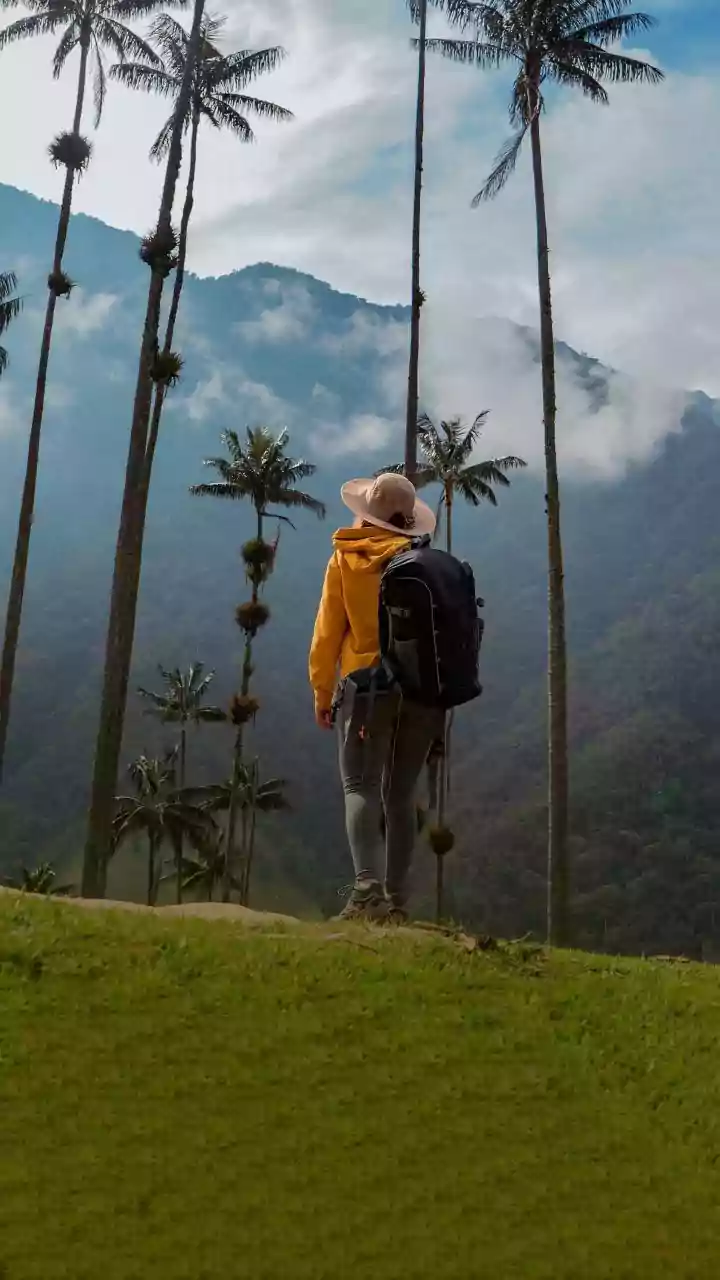
For years, creator-led travel was a performance of maximalism: first-class airline seats, exclusive resorts in the Maldives, and champagne-fueled yacht parties. But a noticeable shift is underway. The same influencers who once broadcasted extravagance are now posting quiet moments from the woods. Why the change? Authenticity. In a world saturated with unattainable luxury, content that feels grounded, relatable, and focused on mental well-being resonates more deeply. A forest holiday offers a compelling narrative: it’s a retreat from the pressures of online life, a digital detox that, ironically, produces beautiful, shareable content. The soft, natural light filtering through pine trees is just as photogenic as a tropical sunset, but it communicates a different, more introspective set of values: peace, mindfulness, and a rejection of the hustle.
A Cure for Digital Burnout
The rise of the forest holiday isn't just a social media fad; it's a direct response to a collective sense of exhaustion. We live in a state of perpetual connectivity, where work emails, news alerts, and social media notifications create a constant, low-grade hum of anxiety. The forest holiday acts as a powerful antidote. By physically removing ourselves to a place with patchy Wi-Fi and replacing screen time with 'forest bathing' (the Japanese practice of Shinrin-yoku, or soaking in the forest atmosphere), we give our overstimulated brains a chance to reset. It’s a forced slowdown. Without the endless distractions of modern life, the only things on the agenda are reading a book, taking a walk, or simply staring into a crackling fire. This deliberate un-plugging is no longer a luxury; for many, it feels like a necessity for mental and emotional survival.
More Than a Vacation, It's a Value Statement
Choosing a forest holiday over a more traditional vacation is a subtle but significant declaration of personal values. It suggests a preference for experience over spectacle, for quiet over noise, and for restoration over exhaustion. The 'vacation from your vacation' is a common complaint—the feeling of returning home more tired than when you left. The forest holiday is designed to subvert that entirely. Its success is measured not by the number of sights seen or activities completed, but by the degree of calm achieved. This type of travel reflects a broader cultural current moving toward sustainability, mindfulness, and the search for meaning in simpler, more tangible things. It taps into a nostalgic American ideal of the cabin in the woods, updating it for a generation weary of digital noise and hungry for a genuine sense of peace.