

The Hidden Dangers of Damp Fur
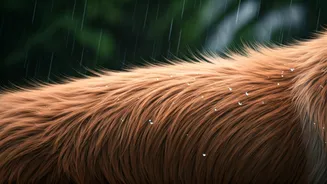
A little rain might not seem like a big deal, but trapped moisture is a major culprit behind serious skin issues. When your pet's fur, especially a dense undercoat, remains damp for hours, it creates a warm, humid environment that is a perfect breeding
ground for bacteria and yeast. This can lead to painful conditions like acute moist dermatitis, better known as "hot spots." These are red, inflamed, and often infected patches of skin that can appear suddenly and spread rapidly. Similarly, yeast infections can take hold in chronically damp areas like paw pads, armpits, and ears, causing intense itching and discomfort. What starts as a simple walk in the rain can quickly escalate into a veterinary visit if the moisture isn't properly managed.
Mastering the Art of a Proper Dry-Off
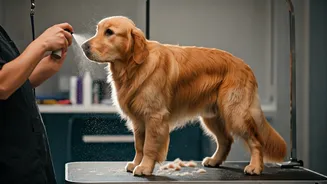
Your first instinct after a wet walk is probably to grab the nearest towel and give your pet a vigorous rub-down. While the intention is good, this can actually make things worse, especially for long-haired breeds. Aggressive rubbing can tangle the fur and create mats close to the skin. Instead, start with a highly absorbent microfiber towel and gently squeeze the water out of the coat. For a thorough dry, a blow dryer on its lowest heat and speed setting is your best friend. Keep the dryer moving constantly, at least six inches from the skin, to prevent burns. Pay special attention to the undercoat, as this is where moisture loves to hide. Making sure your pet is bone-dry isn't just about comfort; it's your number one defense against moisture-related skin problems.
Tackling Tangles and Preventing Mats
Wet fur is significantly more prone to matting than dry fur. As the hair dries, loose strands can knot together, forming tight clumps that pull on the skin. These mats are not just unsightly; they are painful and can restrict air circulation, trapping even more moisture and debris against the skin. Regular brushing is always important, but it’s non-negotiable during rainy seasons. Use a slicker brush or a wide-tooth comb to work through the coat after your pet is completely dry. If you encounter a small tangle, try to gently work it out with your fingers or a de-matting tool. For severe mats, never try to cut them out with scissors, as it’s incredibly easy to cut the skin underneath. A professional groomer or your veterinarian is the safest bet for removal.
Paw and Pad Patrol is Paramount
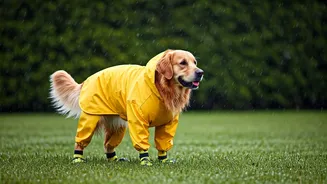
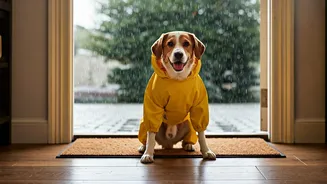
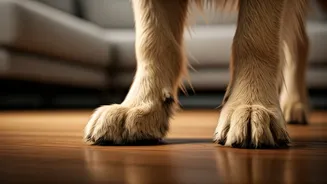
Paws are ground zero for mud, puddles, and sidewalk grime. After every wet outing, take a moment to thoroughly clean and inspect your pet’s paws. A bowl of warm water and a soft cloth are usually sufficient to wash away mud and any potential irritants like road salt or chemicals. Be sure to dry thoroughly between the toes, another prime spot for yeast and bacteria to flourish. While you’re there, check the pads for any cuts, scrapes, or embedded debris like small stones or thorns. For added protection on future walks, you can consider using a paw balm or wax, which creates a barrier against moisture and irritants. In very wet or slushy conditions, waterproof dog booties can be a game-changer.
Don't Forget the Ears and Eyes
While you're focused on the coat and paws, it's easy to overlook other vulnerable areas. For dogs with floppy ears, a damp environment can increase the risk of ear infections. Water can get trapped in the ear canal, creating the dark, moist conditions that yeast and bacteria love. After a rainy walk, use a soft, dry cloth or cotton ball to gently wipe the inside of your dog’s ear flap (the pinna). Never insert anything, including cotton swabs, into the ear canal itself. A quick wipe of the face with a damp cloth can also remove any dirt or gunk that may have splashed up around the eyes, preventing potential irritation.