
An Antidote to the Hustle
For generations, the aspirational Indian home was often a vibrant showcase of success—ornate, layered, and filled with collections that spoke of prosperity and travel. Maximalism wasn't just a style; it was a statement. But in the booming metropolises
of Mumbai, Bangalore, and Delhi, where the pace of life has accelerated to a constant hum of traffic, deadlines, and digital notifications, a powerful counter-movement is taking hold. Urban professionals, exhausted by the 'always-on' demands of modern life, are seeking refuge where they can find it: within their own four walls. Slow living, a philosophy that prioritizes mindfulness, intention, and a connection to the present moment, is no longer just a wellness concept. It has become a design brief. The home is being reimagined not as a place to display wealth, but as a sanctuary to cultivate well-being.
The New Indian Aesthetic
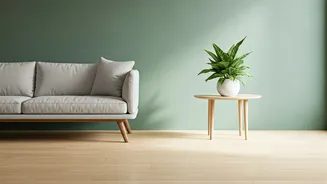
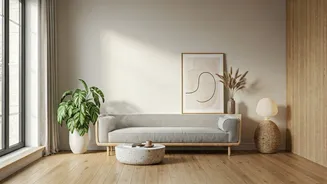
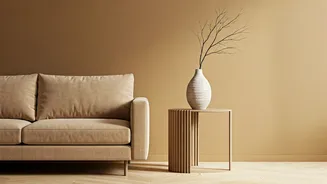
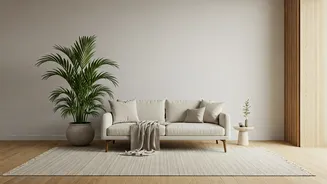
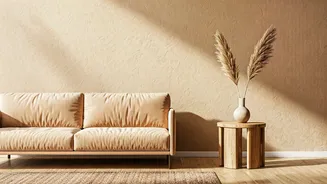
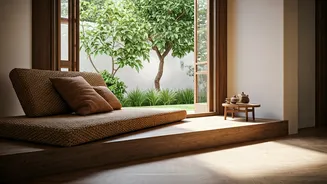
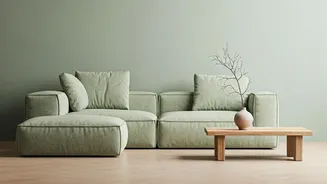
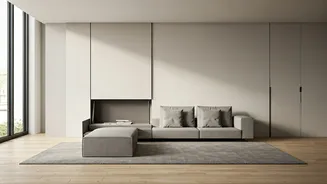
So, what does a 'slow' Indian home look like? It's less about a rigid set of rules and more about a feeling. The aesthetic is a deliberate departure from visual noise. Walls are painted in calm, earthy tones—muted whites, soft beiges, and gentle terracottas—that create a soothing backdrop. Natural materials are celebrated. You'll find rustic, unfinished wood, cool limestone or marble floors, and hand-spun textiles like cotton, linen, and jute. The focus shifts from mass-produced perfection to the unique character of handcrafted objects. A single, beautifully carved wooden bench, a piece of handmade pottery, or a block-printed textile from a local artisan becomes a focal point, valued for its story and soulfulness. This approach champions sustainability and a connection to local craftsmanship, making the home a curated collection of meaningful items rather than an accumulation of things.
Finding Calm in Imperfection
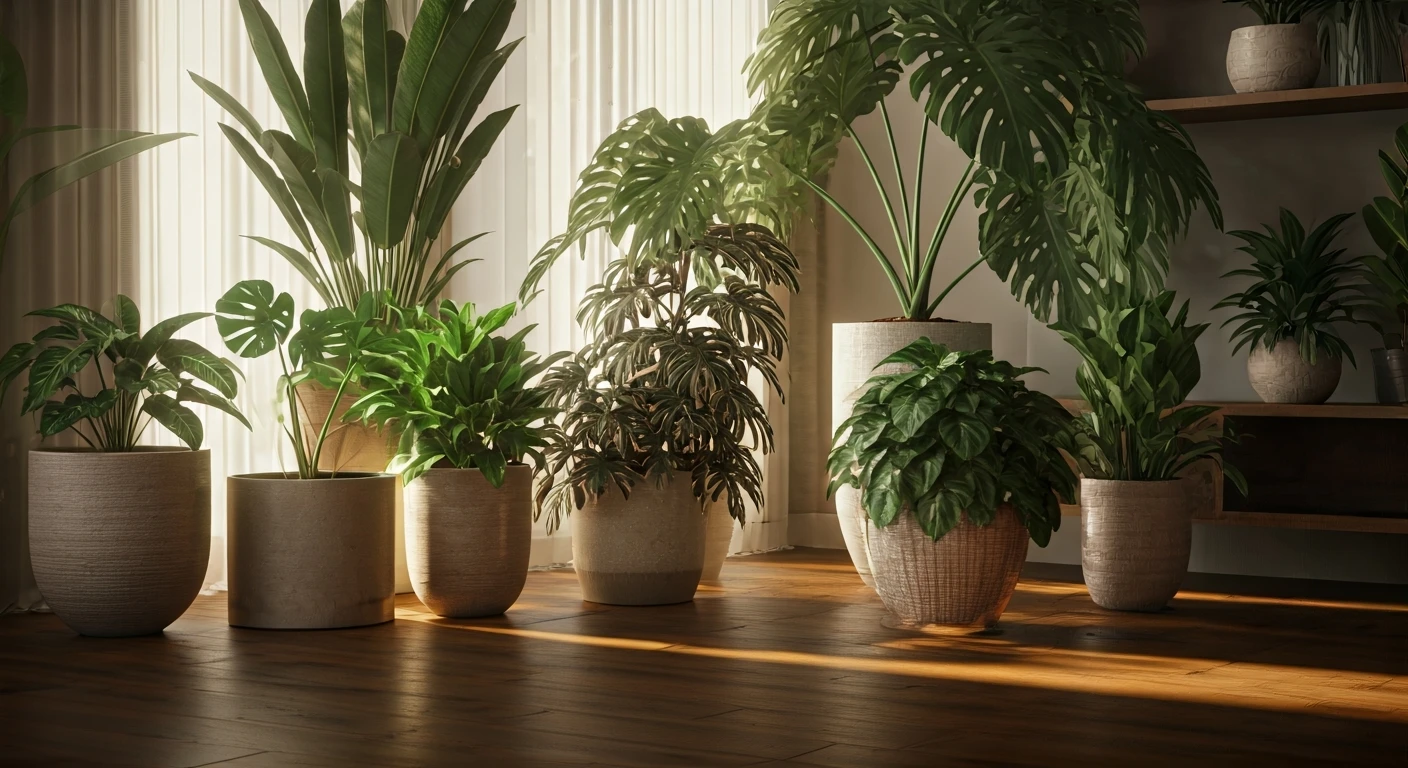
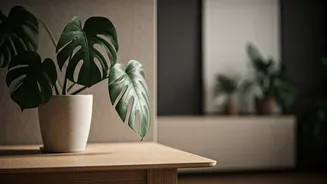
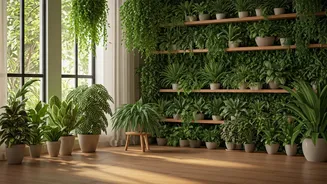
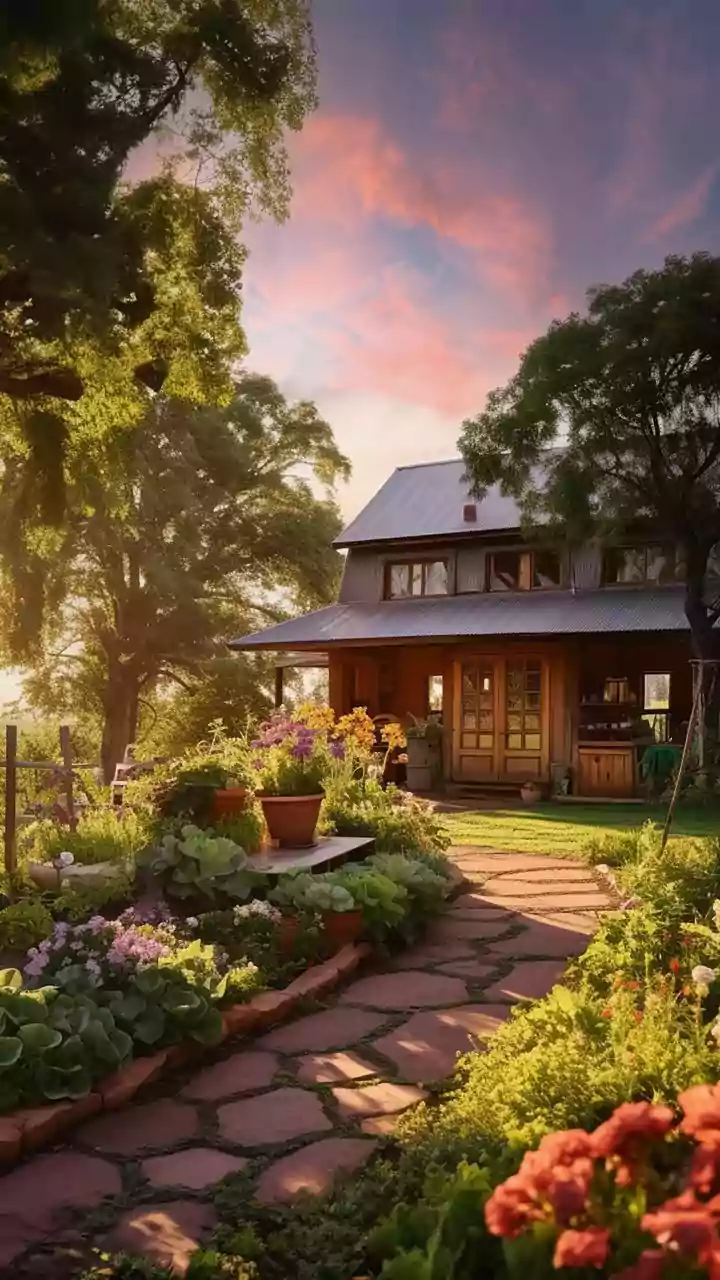
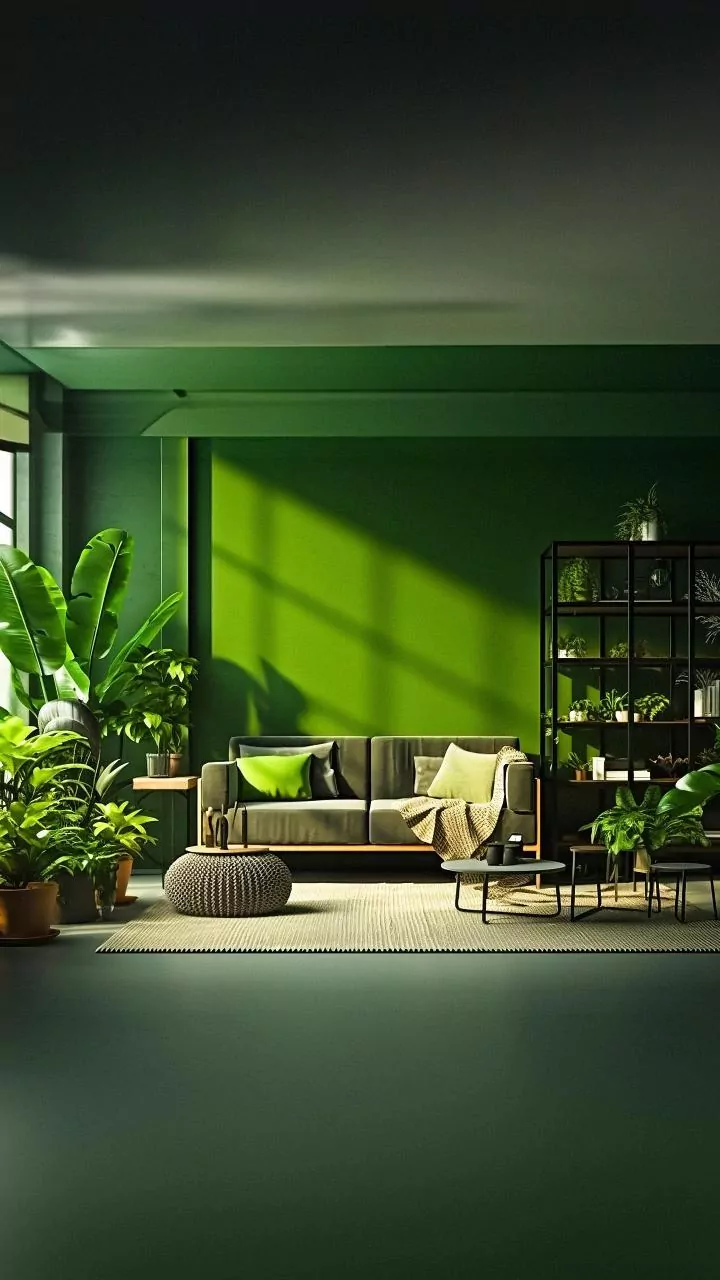
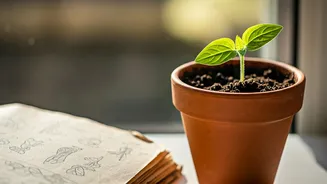
This trend is also finding common ground with Eastern design philosophies like wabi-sabi, the Japanese concept of finding beauty in imperfection and transience. It’s a move away from the glossy, flawless interiors seen in catalogs and toward a more authentic, lived-in reality. It’s the uneven texture of a plastered wall, the natural grain of a wooden table, or the comfortable fade of a favorite armchair. The goal isn't sterile minimalism but warm, soulful simplicity. Another key element is biophilia—the integration of nature into the living space. Large windows that flood rooms with natural light, balconies transformed into lush green nooks, and an abundance of indoor plants all serve to blur the line between inside and out, offering a vital connection to the natural world that is often lost in a dense urban jungle.
More Than Just a Look
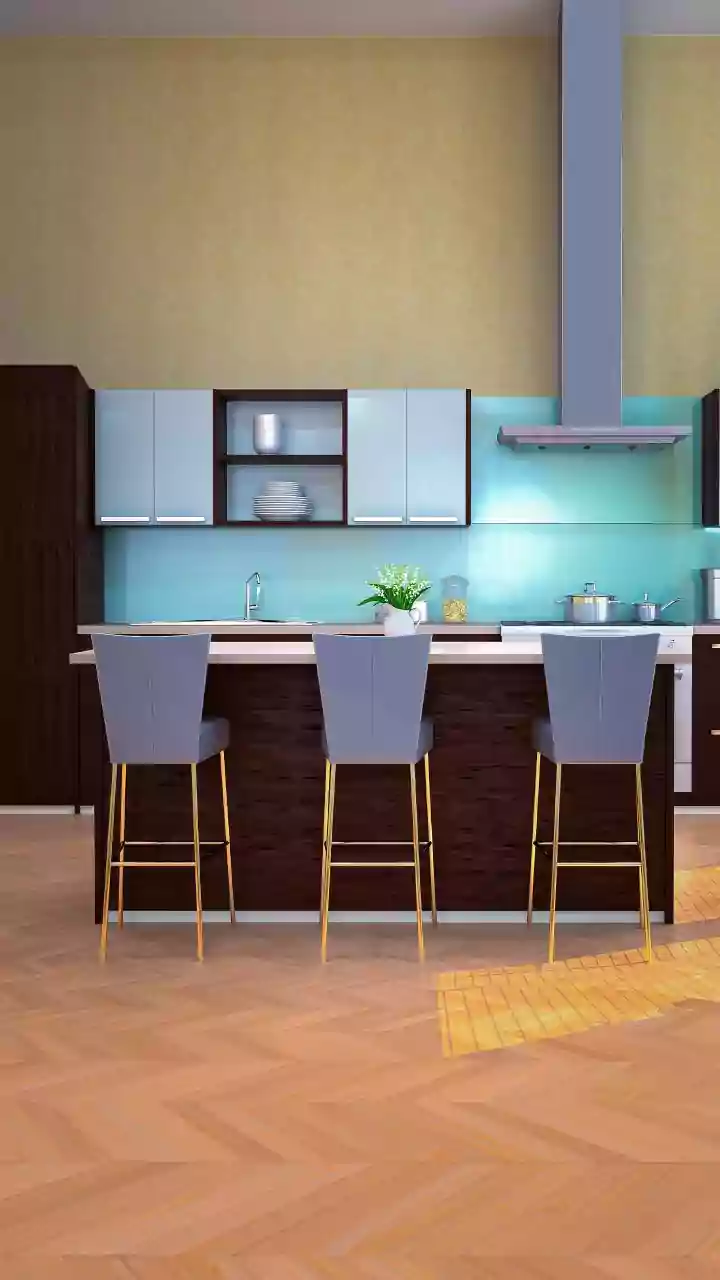
Ultimately, the slow living movement in Indian homes is about reclaiming personal space—not just physically, but mentally and emotionally. It's about designing a life, and a home, that supports intention over impulse. It means creating a reading corner instead of just making room for a larger television, designing a kitchen that invites mindful cooking, or curating a bedroom that is a true haven for rest. This isn’t about stripping away culture; it’s about reinterpreting it for a new generation. Traditional elements like a brass ‘urli’ bowl, an heirloom textile, or vintage furniture are often seamlessly integrated, connecting the present to the past in a quiet, contemplative way. The home becomes less of a performance and more of a practice—a space to disconnect from the world in order to better connect with oneself.