




The End of the 'Gram-Worthy' Trip
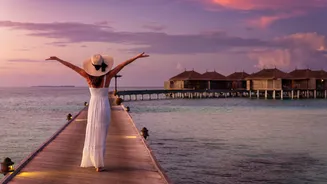
Remember the travel hierarchy? At the top was the multi-week European tour or the overwater bungalow in the Maldives—destinations that screamed 'I’ve made it.' This required significant time, money, and planning, all culminating in a feed of photos designed
to elicit envy. But the tide is turning. Travelers are reporting burnout from the performance of it all. The pressure to capture the perfect shot, the chase for experiences validated by social media, and the nagging feeling that you’re just following a pre-written influencer script can strip the joy from a vacation, turning it into work. The new cool is authenticity over aesthetics. It’s choosing an experience that recharges you, not one that drains you for the sake of a photo album. The ‘big brag’ trip often comes with a hidden cost: stress. This shift reflects a growing desire for genuine rest and connection, something that’s hard to find when you’re worried about whether your sunset picture has the right filter.
The New Economics of Escape
Let’s be honest: long-haul travel has become a logistical and financial nightmare. Soaring airfares, unpredictable cancellations, and chaotic airports have made the prospect of jetting across the globe feel less like an adventure and more like an ordeal. Add inflation to the mix, and the budget for that once-in-a-lifetime trip can suddenly feel absurd. For many, a $7,000 family trip to a crowded theme park or an international hotspot just isn’t justifiable anymore. Enter the 'near-cation.' By slashing travel time and costs, nearby escapes deliver more bang for your buck. The money saved on flights can be spent on a nicer hotel, a fantastic meal, or a unique local experience you’d otherwise skip. It’s a strategic pivot, not a compromise. People are realizing that spending eight hours in an airport is a poor use of precious vacation time, especially when a memorable getaway is just a two-hour drive away. This isn’t about being cheap; it’s about being smart with your resources—time and money.
Rediscovering Your Own Backyard
For decades, we were conditioned to believe that 'away' was always more interesting than 'here.' But the travel limitations of recent years forced a collective rediscovery of our own regions, and many were shocked by what they found. That quirky small town three hours away? It has aJames Beard-nominated chef. That state park you’ve never visited? It has hiking trails that rival national park vistas, without the crowds. This trend is about more than just convenience. It’s about forging a deeper connection to your own corner of the world. It’s about supporting local economies—the independent bookstore, the family-run winery, the boutique hotel—instead of faceless international chains. Travelers are finding that a weekend exploring a nearby historic city or renting a cabin by a quiet lake offers a richness and sense of discovery that a packaged international tour often lacks. The coolest stories are no longer about places everyone has heard of, but about the hidden gems no one else has found yet.
The Power of the Micro-Cation
The old model of vacationing was built on scarcity: one or two big trips a year to compensate for 50 weeks of work. This put immense pressure on that single vacation to be perfect. The new mindset favors frequency over duration. The rise of the 'micro-cation'—a short, intentional trip of one to four nights—is changing the way we think about time off. Instead of saving up all year for one massive, high-stakes journey, people are sprinkling several smaller, low-stress getaways throughout the year. A long weekend here, a Tuesday-Wednesday escape there. The mental health benefits are significant. These regular resets help prevent burnout and provide consistent things to look forward to. A nearby escape is the perfect format for this. It’s easy to plan, requires minimal logistics, and offers maximum refreshment in a short amount of time, making it a sustainable way to keep your life in balance.