





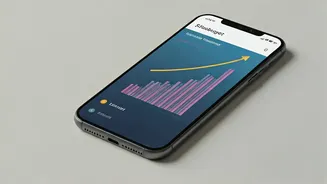



Beyond Spreadsheets: What Is a Conversational Budget App?
Forget clunky interfaces and manual data entry. A conversational AI budgeting app is a financial tool that lives inside your phone, usually as a standalone app or integrated with a messenger like SMS or WhatsApp. Instead of navigating menus, you interact
with it by typing or speaking, just like you would with a friend. You can ask questions like, “How much did I spend on coffee this month?” or “Can I afford a $300 purchase?” The AI, connected securely to your bank accounts, provides instant, plain-English answers. This shifts budgeting from a rigid, data-heavy task to a dynamic, ongoing conversation about your money.
The 'Effortless' Advantage: Real-Time Automation
The 'effortless' claim in the headline comes from automation. Once you grant secure, read-only access to your financial accounts, the app does the heavy lifting. It automatically categorizes your transactions, tracks your spending against your goals, and monitors your bills. There’s no need to sit down every Sunday to log receipts or update a spreadsheet. When you get a notification that you’ve been paid or a bill is due, it’s not just a dumb alert; it’s the start of a potential conversation. You can ask the AI to move money into savings or confirm if a surprise charge is legitimate. This passive, always-on tracking is what frees you from the tedious mechanics of traditional budgeting.
The 'Smart' Factor: Personalized Insights
This is where the 'smartly' part comes into play. A good conversational AI doesn’t just report numbers; it interprets them for you. It learns your spending habits and can offer personalized insights. For example, it might notice your takeout spending is trending higher than usual and gently nudge you about it. Or, it could see you have a surplus at the end of the month and suggest putting it toward a savings goal you’ve set. Some apps even have a 'personality'—offering encouragement, witty remarks, or tough love, depending on the brand. This proactive, tailored advice feels more like a financial coach in your pocket than a simple calculator, helping you understand the 'why' behind your spending, not just the 'what'.
Are There Any Downsides?
While promising, this technology isn't without its considerations. The biggest hurdle for many is privacy and security. Giving an app access to your financial data requires a high degree of trust. Reputable apps use bank-level encryption and secure connections (often through third-party services like Plaid) and typically have read-only access, meaning they can't move your money without your express permission. Still, it’s crucial to research an app’s security protocols before signing up. Another potential drawback is oversimplification. While great for day-to-day tracking, these apps may not be robust enough for complex financial planning, like investment management or detailed tax preparation. They are a tool for awareness and habit-building, not a replacement for a certified financial planner.
Is a Chat-Based Budget App Right for You?
This new style of budgeting app is a fantastic fit for a few key types of people. First, the 'budget-curious' who have always been intimidated by traditional methods. The low barrier to entry makes it easy to start. Second, busy professionals who value convenience and automation and don't have time for manual tracking. Finally, it’s great for younger, digitally native users who are comfortable with messaging-based interfaces and appreciate a more interactive, less formal approach to their finances. However, if you're a power user who loves detailed spreadsheets, or if you're deeply uncomfortable with connecting third-party apps to your bank, you might prefer a more traditional method.