
A Vegetarian's Complete Protein
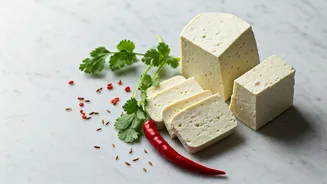
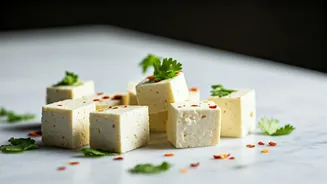
For vegetarians and anyone looking to cut back on meat, finding high-quality, complete proteins can be a constant quest. Enter paneer. This unaged, non-melting cheese is made by curdling milk with a food-based acid like lemon juice or vinegar. The process
is simple, but the result is nutritionally complex. A standard 3.5-ounce (100g) serving of paneer packs a formidable 18-20 grams of protein. More importantly, it’s a complete protein, meaning it contains all nine essential amino acids your body can't produce on its own. This puts it in the same league as eggs and meat for protein quality, making it an incredibly efficient way to fuel muscle repair and keep you feeling full.
Debunking the 'Heavy' Myth
Let's address the elephant in the room: cheese has a reputation for being heavy and high in fat. Paneer is no exception; it contains a significant amount of healthy fats, primarily from the whole milk it’s made from. However, the 'heaviness' we often associate with it comes less from the cheese itself and more from its preparation. In many popular restaurant dishes like paneer makhani or shahi paneer, the cheese is deep-fried before being added to a sauce laden with cream and butter. While indulgent and delicious, this method doubles down on calories and fat. The paneer itself is just an innocent bystander. When you decouple the cheese from these rich preparations, you reveal its lighter, more agile side.
Unlock Its Lighter Side: How to Cook Paneer
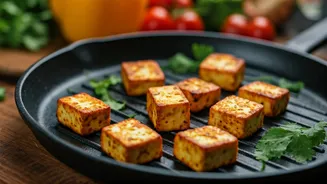
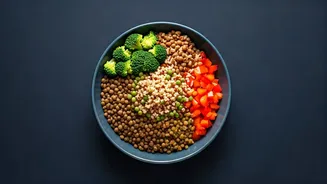
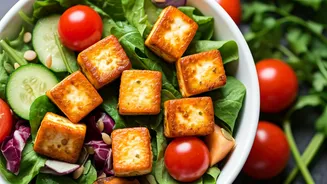
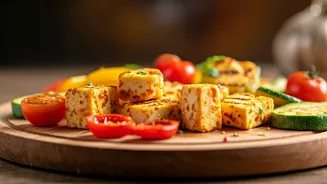
The secret to enjoying paneer as a light, protein-forward food is all in the cooking method. Instead of heading straight for the deep fryer, consider these healthier, equally delicious alternatives. **Grill or Pan-Sear It:** Cut paneer into cubes or slabs, marinate in yogurt and spices (like a classic paneer tikka), and grill or pan-sear with minimal oil until golden brown. The high heat creates a delightfully crisp exterior while the inside remains soft and creamy. It’s perfect for skewers or as a topping for salads. **Crumble It Raw:** For a no-cook, high-protein boost, crumble fresh paneer directly into salads, grain bowls, or over roasted vegetables. Its mild, milky flavor provides a pleasant contrast to tangy vinaigrettes and savory spices. **Make a Scramble (Bhurji):** Paneer Bhurji is a popular dish that functions like a vegetarian version of scrambled eggs. Simply crumble the paneer into a hot pan with sautéed onions, tomatoes, and spices. It cooks in minutes and makes a fantastic, protein-rich breakfast or quick lunch.
Finding and Prepping the Best Paneer
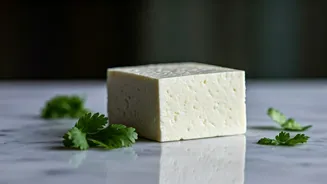
Your journey to lighter paneer dishes starts at the grocery store. Look for paneer that is firm, fresh, and white—avoid any that looks yellowed or feels overly crumbly. Most store-bought paneer is quite firm, which is great for cubing and frying but can be a bit tough for grilling or eating raw. A simple pro tip can fix this: before using, soak the block of paneer in warm, salted water for about 15-20 minutes. This simple step softens the cheese, improves its texture, and seasons it gently from the inside out, making it more tender and absorbent of any marinades you might add. This small effort pays huge dividends in the final texture of your dish, ensuring every bite is succulent and flavorful.