




The Monsoon Mindset
First, a quick geography lesson. Maharashtra is a massive state on India’s west coast, home to over 125 million people and the financial megacity of Mumbai. For months, it bakes under a hot, dry sun. But then, usually in June, the monsoon arrives. And
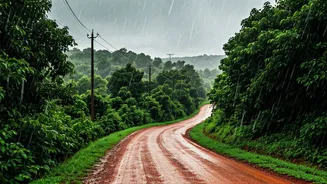
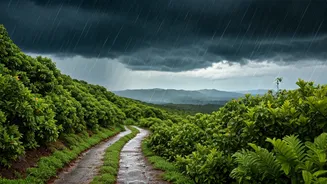
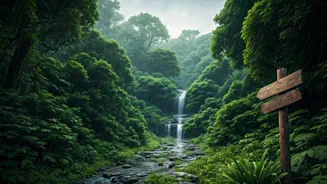
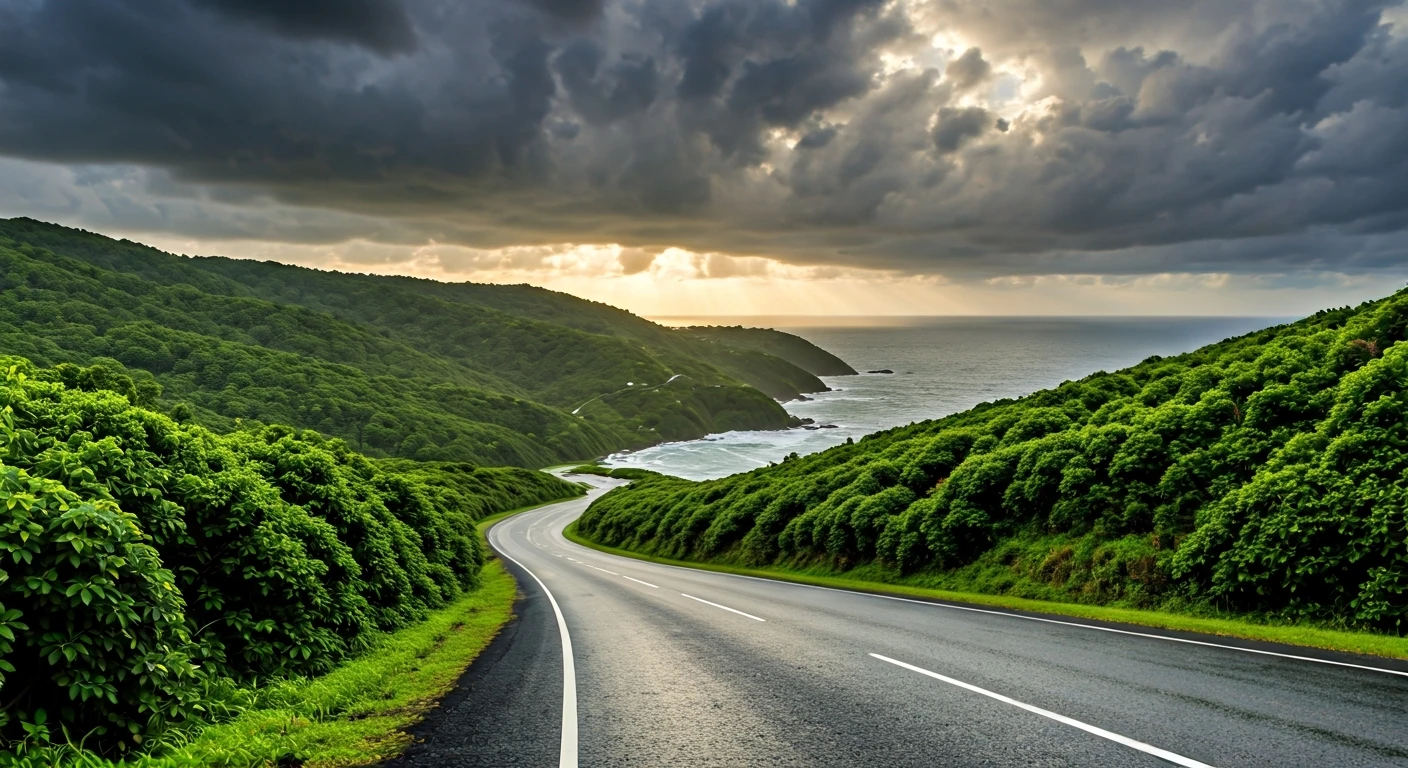
it’s not just a little rain. The monsoon is a season, a personality, a force of nature that transforms the entire landscape. Parched brown hills explode into impossible shades of green. Waterfalls that didn't exist an hour ago cascade down mountainsides. The air, thick with the smell of wet earth (an aroma called petrichor), cools dramatically. For generations, the monsoon meant staying indoors. It was a time for hot tea, fried snacks, and watching the deluge from your window. But a fascinating shift is underway, driven by a new generation of domestic tourists.
Chasing Waterfalls, Not Sunshine
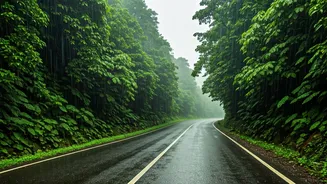
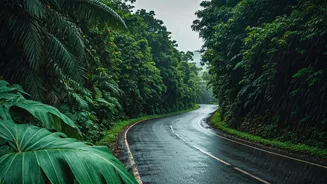
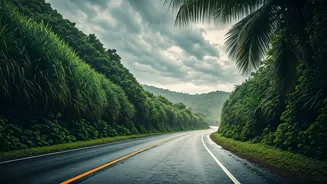
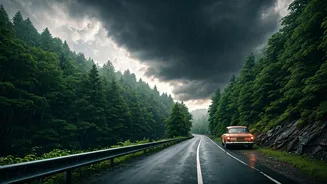
Instead of hunkering down, urbanites from Mumbai and Pune are now embracing the deluge. They are actively chasing the rain. This is the essence of “weather-first” travel. The goal isn’t to find a sunny spot; it’s to find the most dramatic, beautiful, and awe-inspiring display of the monsoon’s power. Popular weekend destinations in the Western Ghats—a mountain range that runs parallel to the coast—have become the epicenters of this trend. Places with names like Lonavala, Malshej Ghat, and Bhandardara become magnets for convoys of cars and motorcycles. The new vacation itinerary involves driving through mist-covered roads, finding a roaring, newly-formed waterfall to stand near (or under), and stopping at a roadside stall for steaming hot corn on the cob or crispy onion fritters known as *bhajiyas*. It’s a multi-sensory experience that’s less about relaxation and more about exhilaration.
The New Travel Toolkit
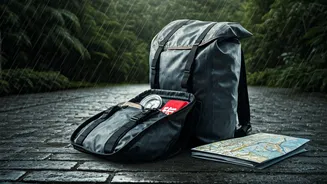
This isn't just random wandering. This spontaneous-looking travel is powered by modern technology. The “weather-first” traveler’s toolkit includes hyper-local weather apps that predict rainfall with down-to-the-hour accuracy. It involves monitoring Instagram and WhatsApp groups for real-time updates on which waterfalls are flowing best and which roads are still passable. A viral video of a spectacular “reverse waterfall”—where high winds blow the water back up the cliff—can redirect thousands of travelers in a single morning. Travel decisions are no longer made weeks in advance based on hotel availability or flight deals. They’re made on Friday afternoon, based on a satellite precipitation map. It’s a highly adaptive, flexible form of tourism that prioritizes the experience of the present moment over a rigidly planned schedule.
A Lesson in Spontaneity
So, why should this matter to an American who plans their Disney trip a year out? Because it offers a compelling alternative to our own often-rigid vacation culture. We tend to view weather as an obstacle to be overcome or an amenity to be guaranteed. A rainy day on a beach vacation is seen as a failure. We pay premiums for destinations with 300 days of sunshine. The Maharashtra model suggests a different relationship with nature—one based on acceptance and appreciation for whatever it delivers. It’s about finding the beauty in the storm, not just the sunshine. This trend isn’t about being reckless; local authorities often issue warnings and close dangerous spots. Rather, it's about a calculated spontaneity, a willingness to let the natural world dictate the plan. It’s a powerful reminder that sometimes the best-laid plans are the ones you make at the last minute, with your eyes on the sky.