
The Sci-Fi Sleekness of Hydroponics
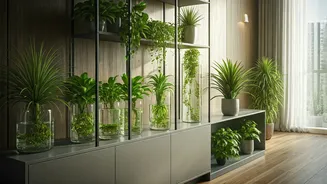
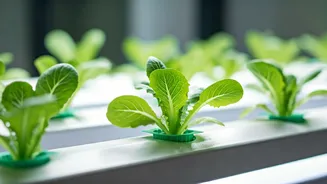
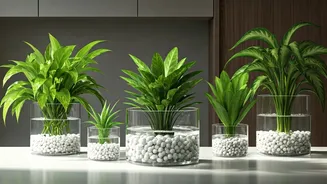
Forget farming; think of hydroponics as high-tech plant cultivation for your countertop. This method involves growing plants in a nutrient-rich water solution instead of soil. The appeal is immense for the modern home. First, it’s incredibly clean. There’s
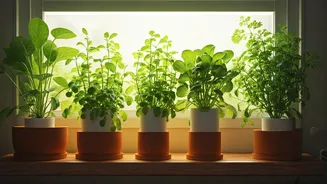
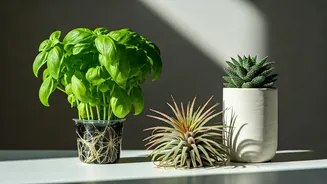
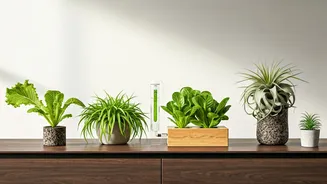
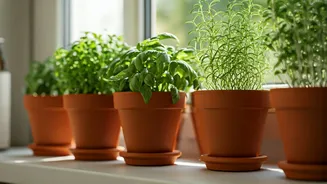
no soil to spill on your floors or harbor fungus gnats. Second, it’s efficient. Plants grown hydroponically often mature faster because nutrients are delivered directly to their roots. Small, beautifully designed hydroponic kits are now widely available, looking more like a sleek kitchen appliance than a garden. They’re perfect for growing herbs like basil and mint right where you cook, or for showcasing vibrant lettuces and leafy greens in a living room, turning your food source into a living art piece.
The Sculptural Freedom of Air Plants
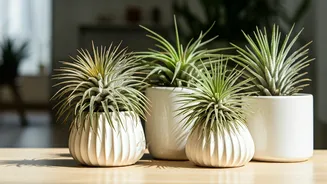
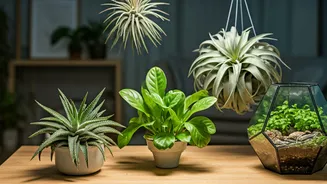
If you want greenery that feels more like living sculpture, meet Tillandsia, or air plants. These fascinating plants absorb moisture and nutrients through their leaves, not roots, meaning they don’t need any soil at all. Their spidery, architectural forms are stunning on their own, and their versatility is where the temptation truly lies. You can place them in open glass terrariums, mount them on pieces of driftwood, nestle them in ceramic holders, or even hang them in intricate macrame displays. They ask for very little—just a good soak every week or two and bright, indirect light. Air plants offer a way to add a green element to literally any corner, shelf, or wall, freeing you from the constraints of the flowerpot.
The Living Ecosystem of Aquaponics
For the hobbyist who loves a fascinating project, aquaponics is the ultimate soilless system. It combines hydroponics (growing plants in water) with aquaculture (raising fish). It’s a closed-loop, symbiotic ecosystem in miniature. Fish produce waste that is rich in ammonia. Beneficial bacteria convert that waste into nitrates, which are a perfect fertilizer for plants. The plants, in turn, filter and clean the water for the fish. The result is a self-sustaining system that’s both productive and mesmerizing to watch. Small-scale home aquaponics kits, often featuring a small fish tank below a grow bed for herbs or greens, are a fantastic educational tool for kids and a captivating conversation piece for adults.
The Minimalist Beauty of Propagation Stations
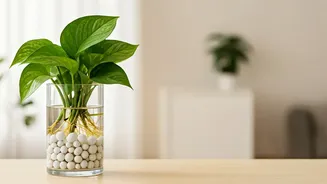
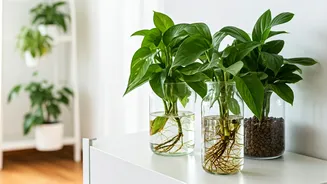
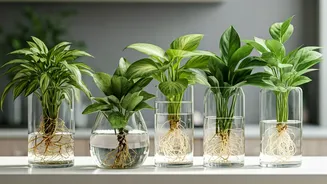
Sometimes the simplest methods are the most alluring. Creating a propagation station is perhaps the easiest entry into soilless gardening. It involves taking cuttings from existing houseplants—like a Pothos, Philodendron, or Monstera—and placing them in glass vessels filled with water. While the ultimate goal may be to plant them in soil, the interim stage is a design moment in itself. Watching the delicate white roots emerge and grow is surprisingly satisfying. Grouping several cuttings in an array of glass jars and vases on a windowsill or shelf creates a minimalist, lab-chic display. It costs next to nothing and turns the life cycle of your plants into a beautiful, ever-changing decorative feature.
The Artistic Charm of Kokedama
Originating from Japan, Kokedama translates to "moss ball" and offers a unique, soil-based but surface-clean alternative. A plant’s root system is wrapped in a special soil mixture, then encased in a ball of green moss and bound with string. The result is a self-contained, pot-less plant that can be placed on a decorative dish or hung from the ceiling. While it technically contains soil, the presentation is entirely soilless—no messy drainage, no cumbersome pots. Kokedama turns a simple fern or orchid into an elegant, floating green sphere. It's the perfect blend of natural artistry and tidy home decor, making it a deeply tempting option for anyone who appreciates handcrafted beauty.