


Goodbye 'That Girl,' Hello 'Calm Girl'
For the past few years, social media was dominated by 'That Girl'—the hyper-productive, green-juice-chugging, 5 a.m. workout enthusiast whose life looked like a perfectly curated wellness ad. But burnout is real, and the pendulum is swinging. The 'Calm
Girl' is her more grounded, less performative successor. She’s not optimizing every second of her day; she’s savoring them. She trades a packed schedule for slow mornings, values presence over productivity, and understands that true wellness is about peace, not perfection. This shift in mindset extends directly to her living space. If the 'That Girl' aesthetic was clean, bright, and energizing, the 'Calm Girl' aesthetic is serene, soft, and restorative. Her home isn’t a backdrop for content creation; it’s a functional refuge designed to soothe the nervous system and quiet the mind. It’s less about looking good for an audience and more about *feeling* good for yourself.
The Rise of the Earthy Interior
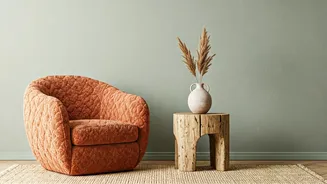
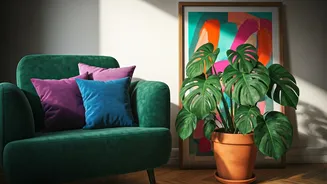
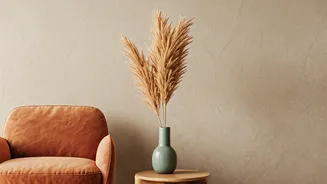
So, what does a 'Calm Girl' home look like? Think less sterile, white-box minimalism and more warm, wabi-sabi-inspired comfort. This 'Earthy Home' trend is a direct rejection of both the cold, impersonal feel of earlier minimalist movements and the sensory overload of recent 'dopamine decor' and maximalist trends. It finds a beautiful middle ground where simplicity meets warmth and texture. The aesthetic is built on a foundation of natural materials, imperfect finishes, and a color palette pulled directly from the earth. It’s about creating a tangible connection to the natural world indoors. This style feels both timeless and deeply modern, speaking to a collective desire to unplug, de-stress, and live more intentionally. It's a design philosophy that prioritizes atmosphere and feeling over brand names and rigid rules.
How to Cultivate an Earthy Vibe
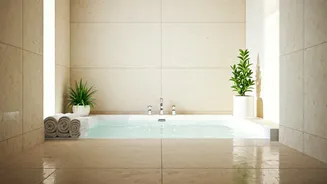
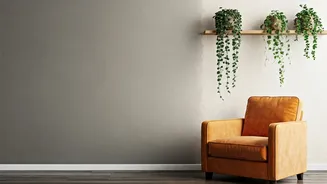
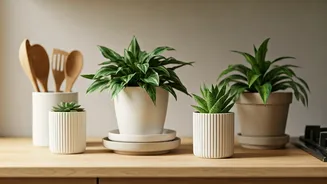
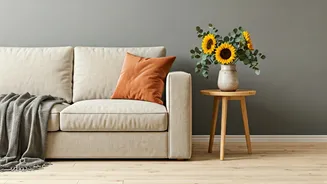
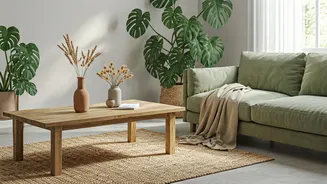
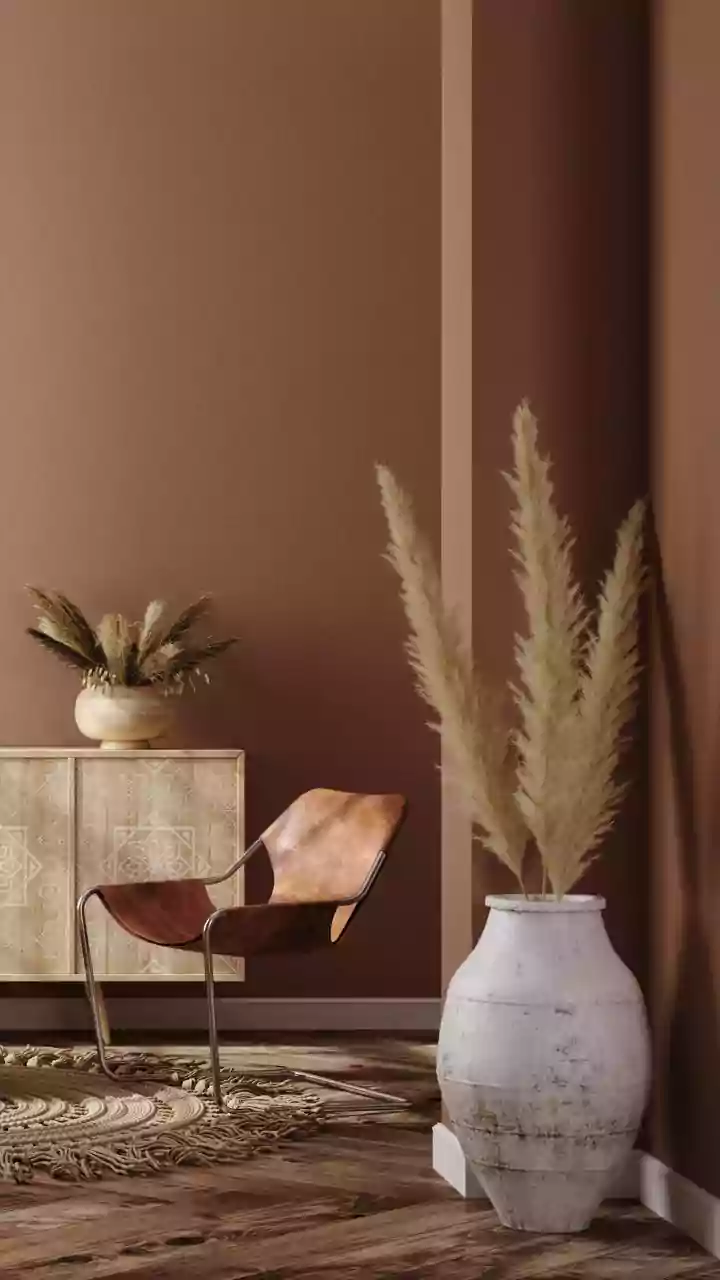
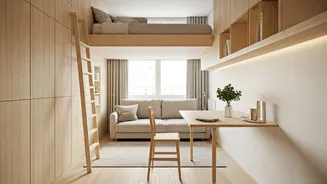
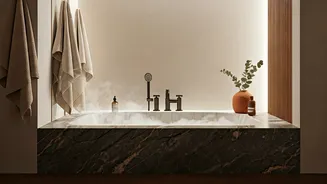
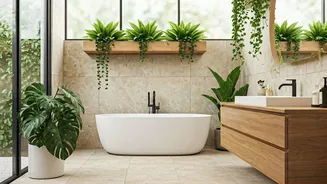
Creating this serene atmosphere is more about a feeling than a formula, but there are a few core elements that define the look. First is the color palette: swap out stark whites and grays for warmer tones like cream, beige, mushroom, terracotta, olive green, and deep, muddy browns. These colors are inherently soothing and create a cozy, enveloping feel. Next, focus on materials and textures. Ditch the plastic and chrome in favor of natural, tactile surfaces. Think raw wood tables, rattan light fixtures, jute rugs, linen curtains, and chunky wool blankets. The more organic and unrefined, the better. This is where imperfection shines—a piece of handmade pottery with a slightly uneven glaze or a reclaimed wood bench with visible knots and grains adds character and soul. Finally, bring nature inside. This goes beyond a sad-looking succulent on a windowsill. Fill your space with plants of varying sizes and shapes, from a towering fiddle-leaf fig to trailing pothos on a bookshelf. Maximize natural light wherever possible, and supplement with warm, layered lighting in the evenings. The goal is a space that feels alive, breathing, and connected to the world outside.
More Than Decor, It’s a Lifestyle
Ultimately, the 'Earthy Home' isn’t just a trend to be bought; it's a mindset to be adopted. It’s about conscious consumerism—choosing well-made pieces from natural materials that will stand the test of time rather than chasing fleeting micro-trends. It encourages a slower, more deliberate way of curating your environment. You’re not just filling a house; you’re building a haven. This aesthetic serves as a physical manifestation of a desire for a quieter, more authentic life. In an age of digital noise and constant pressure to perform, creating a home that encourages you to slow down, be present, and find calm isn’t a luxury—it's a necessity. It’s a gentle reminder that your personal space should serve you, not the other way around.