






The Lifeblood of a Subcontinent
First, let's get one thing straight: the Indian monsoon isn't just a long, drizzly season. It's a massive, continent-spanning atmospheric event that delivers over 70% of the country's annual rainfall between June and September. Think of it less as a nuisance
and more as the annual reloading of India’s natural batteries. The rains replenish reservoirs that provide drinking water for hundreds of millions, power hydroelectric dams that keep the lights on, and, most critically, irrigate the fields that form the backbone of the nation's agriculture. For half the population, their livelihood is directly tied to the generosity of the skies during these few months. The arrival of the monsoon is celebrated with festivals, poetry, and a collective sigh of relief as it breaks the oppressive heat of the pre-summer months. It’s the rhythm to which much of Indian life is set.
What a 'Weak' Monsoon Really Means
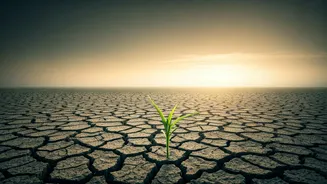
So when meteorologists start talking about a “weak” or “deficient” monsoon, it's a major national concern. This doesn't mean a few less-rainy weekends. It means that rainfall across large parts of the country is significantly below the long-term average. The primary culprit is often the El Niño weather pattern in the Pacific Ocean, which tends to disrupt the atmospheric circulation that brings moisture-laden winds to India. The immediate impact is agricultural distress. Crops fail, yields are lower, and the rural economy, which is heavily dependent on cash from harvests, tightens its belt. This isn't a small-scale problem; it's a shockwave that starts in the countryside and radiates outward, affecting everything from food prices in Mumbai to the stock market.
From Farm Fields to Travel Plans
This is where the "travel mood" comes in. In a country where the domestic tourism market is colossal, a weak monsoon hits discretionary spending hard. When rural incomes drop, families that might have planned a pilgrimage or a vacation postpone their trips. The urban middle class also feels the pinch through inflation, particularly in food prices, leading them to reconsider that weekend getaway. The optimism that a good monsoon brings is replaced by a sense of caution and economic anxiety. This change in the national psyche is palpable. Travel, a luxury for most, is one of the first things to be cut when household budgets are squeezed. Tour operators, hotels, and airlines all feel this slowdown, which starts with the domestic traveler but doesn't end there.
Altering the Tourist Trail
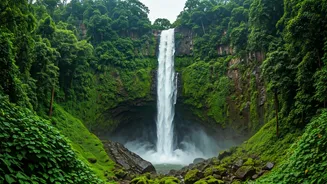
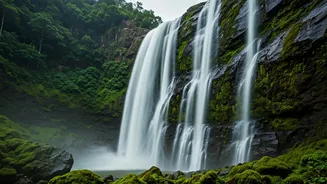
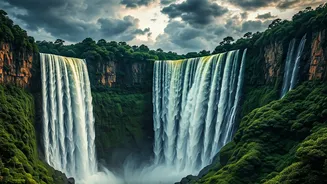
For international visitors, the effects are more subtle but just as real. Many of India's most popular tourist experiences are deeply intertwined with the monsoon. The lush, emerald-green hills of Kerala’s backwaters, the thundering waterfalls of the Western Ghats, and the romantic, rain-washed landscapes of Rajasthan all depend on a healthy downpour. A weak monsoon can leave these iconic destinations looking less vibrant and a little bit tired. Waterfalls might be reduced to a trickle, and the verdant scenery that populates countless travel brochures might be tinged with brown. Conversely, some areas that are typically prone to flooding and logistical challenges during a normal monsoon might become more accessible. But overall, the primary draw for many visitors during and immediately after the rainy season is the spectacle of a rejuvenated, thriving natural world. When that spectacle is diminished, the appeal can be, too.