



The Tyranny of the Entrée
The standard American restaurant model has long been built around one central, heroic figure: the entrée. You pick your one big thing—the steak, the salmon, the pasta—and commit to it. While there’s a certain decisiveness to this approach, it’s also fraught
with peril. What if you chose wrong? What if your dining companion’s dish looks infinitely better? This single-choice system creates a high-stakes decision that can lead to order envy and, more often than not, a plate so large it feels like a culinary obligation to finish. The result is often a feeling of being overstuffed and sluggish, the very definition of a food coma. This model prioritizes quantity and singularity over exploration and experience, leaving little room for the delightful detours a meal can offer.
The Small Plate Solution
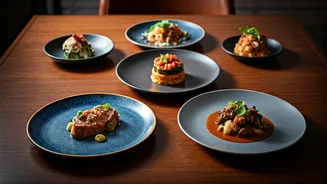
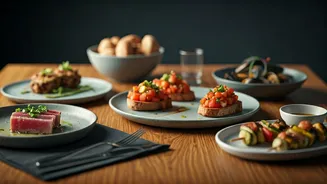
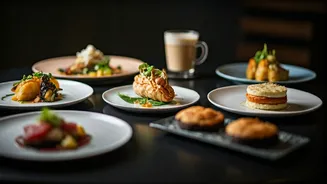
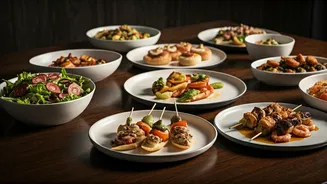
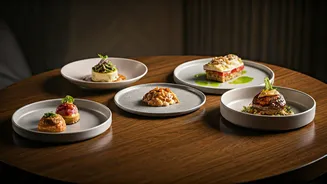
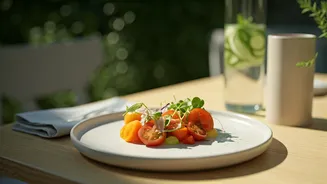
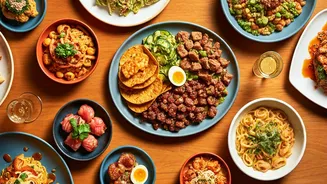
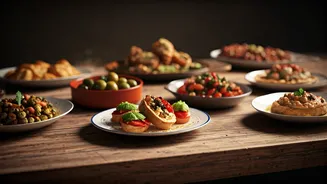
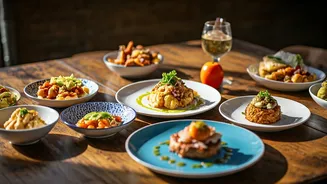
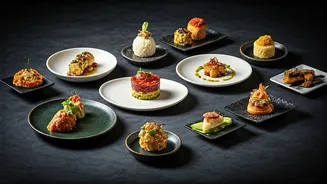
Enter the small plate. Inspired by global traditions like Spanish tapas, Greek mezze, and Chinese dim sum, this style of dining dismantles the entrée-centric structure in favor of a more democratic, free-flowing meal. The concept is simple: a variety of dishes, smaller than a main course but larger than a single bite, are brought to the table throughout the meal, designed for sharing. Instead of committing to one flavor profile, you get to embark on a culinary journey. One moment you're enjoying a savory bite of whipped feta with honey, the next a crispy patatas bravas, followed by perfectly seared scallops. It's a format that turns a meal from a static event into a dynamic and evolving experience.
A Symphony of Flavors
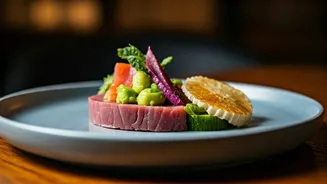
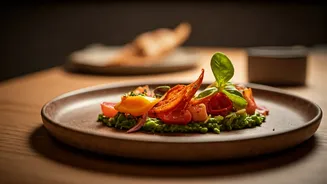
The most immediate and obvious benefit of small-plate dining is variety. You are no longer bound by a single choice. This allows you to sample a much wider range of a chef’s creativity, ingredients, and techniques in one sitting. For the indecisive diner, it’s a dream come true. For the adventurous eater, it’s a passport to new tastes. This approach encourages you to try things you might not risk ordering as a full entrée, like grilled octopus or a unique vegetable preparation. The accumulation of different flavors and textures—salty, sweet, crunchy, creamy—creates a more complex and memorable dining experience than a single, monolithic dish ever could. Your palate stays engaged and excited from the first bite to the last, preventing the flavor fatigue that can set in with a large portion of the same thing.
Dining Becomes a Team Sport
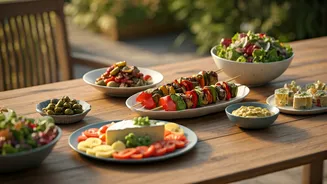
Beyond the food itself, small plates fundamentally change the social dynamics of the table. When everyone is sharing, the meal automatically becomes more communal and interactive. Instead of an individualistic experience where each person is siloed with their own plate, it becomes a collective endeavor. Conversations spark over which dish to try next. Debates arise over the best bite of the night. The simple act of passing a plate, of saying, “You have to try this,” breaks down formality and builds connection. It’s a more relaxed, conversational way to eat, turning dinner into a shared activity rather than just a process of refueling. This makes it perfect for date nights, group hangouts, and any situation where the goal is not just to eat, but to connect.
The Unintentional Wellness Benefit
Finally, we return to the food coma. The small plate model is its natural enemy. By eating smaller amounts of different foods over a longer period, you give your body time to register fullness. The pace is inherently slower. There are pauses as new dishes arrive, encouraging conversation and giving your digestion a break. This is a form of mindful eating, even if you’re not consciously trying to be mindful. You’re more likely to stop when you feel pleasantly satisfied rather than pushing through to finish an enormous portion. The result? You leave the restaurant feeling energized and content, not bloated and ready for a nap. You’ve had a full, rich experience without the physical toll, proving that the best meals are the ones that delight your senses without overwhelming your system.