



The New Urban Reality
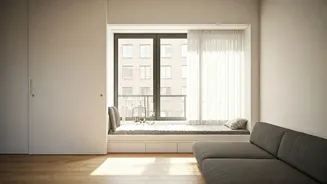
Let’s start with the obvious: apartments aren’t getting any bigger. In fact, the average size of a newly built U.S. apartment has been steadily declining for years. In dense urban centers like New York, San Francisco, and Seattle, paying more for less
space has become the norm. This economic and architectural pressure has fundamentally changed our relationship with the things we own. Where a previous generation might have bought a 'starter' furniture set meant to fill a room, today’s city dweller has to think more like a ship's captain or a Tetris grandmaster. Every single item must justify its existence and, ideally, serve more than one purpose.
Strategy 1: The Art of the Transformer
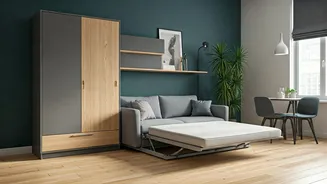
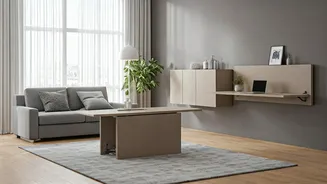
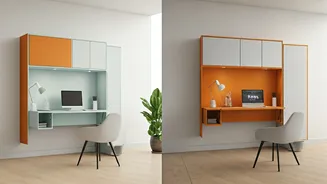
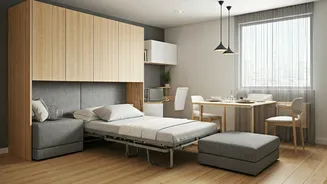
The MVP of the small-space playbook is multi-functional furniture. This isn’t your grandparents’ creaky, intimidating Murphy bed. Today’s 'wall beds' are engineering marvels, often integrated with a sofa that tucks underneath as the bed descends, or a full-sized desk that remains perfectly level (and covered in your stuff) as it pivots away. The goal is to reclaim 'single-use' zones. Your living room doesn't have to stop being a living room when guests stay over, and your bedroom doesn't have to be just a bedroom. Think beyond the bed: coffee tables that rise to become dining tables for six, ottomans that hide a spare mattress, and kitchen islands on wheels that can serve as prep space, a bar, or a work-from-home standing desk.
Strategy 2: Go Vertical or Go Home
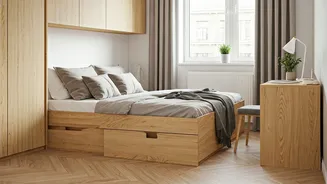
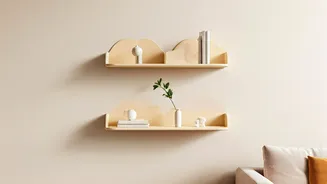
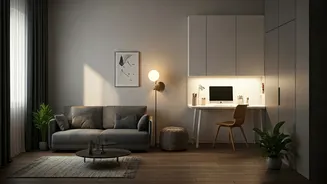
When you can’t build out, build up. The most underutilized space in any apartment is the vertical square footage. This strategy is about drawing the eye upward and getting clutter off the floor. Floating shelves, tall and narrow bookcases, and wall-mounted desks create storage and function without occupying a single inch of floor space. This makes a room feel larger and less cluttered. Loft beds are also making a major comeback, especially in studio apartments, allowing you to create a distinct living or office area underneath your sleeping space. Even wall-mounted nightstands can make a tiny bedroom feel significantly more open than their traditional, leggy counterparts.
Strategy 3: Embrace Modularity
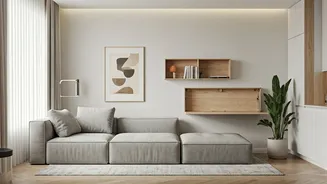
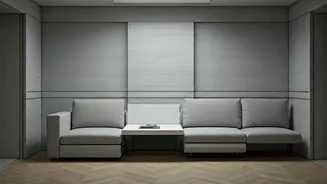
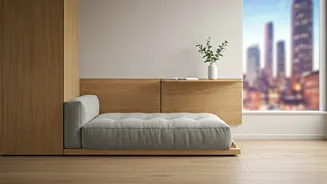
Why commit to one massive sofa when you can have a team of smaller, more adaptable pieces? Modular furniture is the answer to oddly shaped rooms and changing needs. A modular sofa can be a classic three-seater one day and two separate loveseats the next. It can snake around a weird corner or be broken up to create a more conversational layout for a party. This extends to shelving as well, with systems that allow you to add, subtract, and reconfigure units as your collection of books (or plants) grows. Modularity gives you control, turning you from a passive occupant into an active designer of your own space.
Strategy 4: The Power of Visual Tricks
Not all strategies involve complex mechanics. Some are about simple psychology. Using furniture with a light visual weight can dramatically alter the perception of a room. 'Leggy' furniture—sofas, consoles, and chairs raised on slender legs—allows you to see the floor underneath, creating an illusion of spaciousness. Similarly, pieces made of glass or acrylic are 'visual ghosts'; they perform their function without visually cluttering the space. A well-placed mirror can double the perceived size of a room, especially when positioned to reflect a window and its natural light. It's not about having less; it's about making what you have feel like more.