







The New Definition of Hydration
When most of us think about hydration, we think about water. But for a growing community of biohackers, that’s just the starting point. Advanced hydration isn’t about volume; it’s about equilibrium. The focus is on electrolytes—the essential minerals
like sodium, potassium, and magnesium that govern everything from nerve function to muscle contraction and cognitive clarity. Too little water is bad, but so is too much water without the right mineral support, which can flush out vital electrolytes. This new approach involves meticulously tracking the intake of these specific minerals, often through diet and supplementation, to achieve peak mental and physical performance. It transforms a basic wellness task into a complex data problem to be solved, turning the human body into a system ready for optimization.
Meet India's 'Quantified Self' Generation
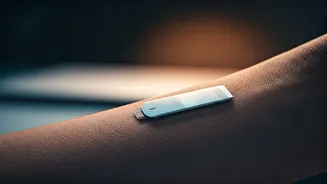
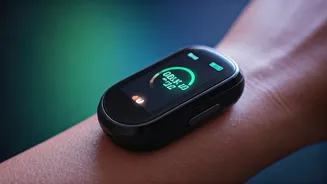
So, who is spending their time fine-tuning their potassium levels? The trend is most prominent among young, urban Indian professionals, particularly those in the booming tech and startup sectors. Influenced by the productivity-obsessed culture of Silicon Valley, these individuals see self-optimization as a competitive edge. They are part of the global “quantified self” movement—people who use technology to acquire data on all aspects of their daily life. They wear smart rings that track sleep, continuous glucose monitors that analyze blood sugar, and now, they use advanced nutrition apps to dial in their micronutrients. This isn't just about health; it's about hacking their biology for better focus during long coding sessions, faster recovery from workouts, and a general sense of control in a high-pressure environment.
A Global Trend with Local Roots
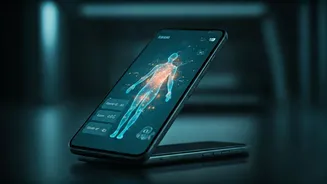
While the tools and terminology are borrowed from the West, the biohacking movement in India has a unique flavor. It exists alongside ancient wellness traditions like Ayurveda and yoga, creating a fascinating fusion of old and new. Some users might combine data from a sleep tracker with evening meditation, or use an app to ensure their diet aligns with both modern nutritional science and Ayurvedic principles. The apps themselves are often global platforms like Cronometer or MyFitnessPal, which allow for detailed micronutrient tracking, rather than one specific “Indian mineral balance app.” The innovation lies in how users combine these tools to fit their personal goals and cultural context, creating a bespoke wellness blueprint that feels both cutting-edge and deeply personal.
The Tech Ecosystem Fueling the Fire
This level of self-monitoring wouldn't be possible without a sophisticated and accessible tech ecosystem. It’s a combination of hardware and software. Wearables provide raw data on activity and recovery. Advanced nutrition apps serve as the central dashboard where users log every meal and supplement, getting instant feedback on their sodium-to-potassium ratio or magnesium intake. Some even use smart water bottles that glow to remind them to drink and sync data to their phones. The goal is to close the feedback loop between action and outcome. If a user feels sluggish at 3 p.m., they can look at their data and hypothesize: Was it a blood sugar crash? Dehydration? An electrolyte imbalance? Technology provides the clues they need to troubleshoot their own biology.
Health Optimization or Health Anxiety?
As with any intense self-tracking movement, there’s a fine line between empowerment and obsession. The upside is a profound sense of body literacy and the ability to make informed decisions that genuinely improve well-being. Proponents report better energy, mental clarity, and athletic performance. However, critics and medical professionals caution against the potential for creating health anxiety, or orthorexia—an unhealthy obsession with healthy eating. Constantly chasing perfect numbers on an app can become a source of stress in itself, and without proper medical guidance, self-diagnosis based on app data can be misguided. The access to data is powerful, but its interpretation requires context and, often, the guidance of a professional who can see the big picture beyond the spreadsheet.