


Meet the Unlikely Hero
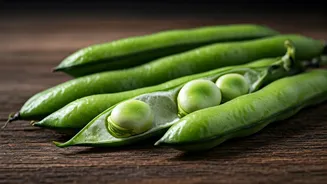
Forget the fiery curries and fragrant biryanis for a moment and consider the fava bean. Also known as the broad bean, this lumpy, thick-podded legume has been a staple of Mediterranean and Middle Eastern diets for millennia. It’s the O.G. of beans, cultivated
since at least 6000 BCE. But in the global imagination, it has never been strongly associated with India. That might be about to change. Nutritionally, the fava is a powerhouse. It’s packed with plant-based protein, fiber, iron, and magnesium, making it a perfect ingredient for a world increasingly focused on healthy, meat-free diets. Unlike the chickpeas and lentils that dominate many Western perceptions of Indian vegetarian cuisine, the fava bean has a distinct, slightly nutty and buttery flavor and a creamy texture when cooked, offering a new palette for chefs to play with.
The Climate-Smart Contender
The real reason the fava bean is getting a second look in India has less to do with its flavor and more to do with its toughness. This is where the 'flex' moves from the kitchen to the farm. As climate change brings more unpredictable weather patterns, including severe droughts and depleted soil, India needs crops that can roll with the punches. The fava bean is exactly that. It’s a remarkably resilient plant. It thrives in cooler, drier conditions where other crops might fail. More importantly, it’s a nitrogen-fixer. Like other legumes, it pulls nitrogen from the air and deposits it into the ground, acting as a natural fertilizer. For farmers struggling with the high cost of chemical fertilizers and degraded soil, planting fava beans is a win-win. It can restore soil health, reduce costs, and produce a valuable crop all at once. This isn’t just farming; it’s a strategic move toward agricultural sustainability.
A New Ingredient for Modern India
So, what does this look like on the plate? While fava beans (or 'bakla' in Hindi) have been grown in some parts of India, they haven't been a mainstream star. The new excitement is about their potential in modern Indian cuisine. Chefs in progressive culinary hubs like Mumbai and Delhi are looking for ways to innovate while staying true to their roots. The fava bean is a perfect canvas. Imagine fava bean hummus with a tandoori spice twist, creamy fava purees served alongside grilled paneer, or even crispy, spiced favas as a bar snack to replace peanuts. It can be blended into a modern take on dal or used whole in vibrant salads. Its versatility allows India to showcase a different side of its agricultural and culinary diversity—one that is forward-thinking, adaptable, and globally relevant. It's a way of saying, 'We don’t just have a delicious past; we have a sustainable future.'
From Local Farm to Global Market
The final piece of the puzzle is economic. The global market for plant-based protein is exploding, and fava bean protein is becoming a prized ingredient in everything from meatless burgers to protein powders. By scaling up cultivation, India could position itself not just as a consumer of a climate-smart crop but as a major supplier to the world. This transforms a humble bean into a valuable export commodity. It connects smallholder farmers in a dry region of India directly to a health-conscious consumer in California or London. This is the ultimate food flex: turning an agricultural solution into an economic opportunity that strengthens the country’s brand on the global stage. It’s a quiet but powerful statement about ingenuity and resilience.