


This Isn't Your Aunt's Stark-White Loft
When you hear “minimalism,” you might picture a cold, empty room with a single, uncomfortable chair. But the minimalism that’s dominating today’s design landscape is different. It’s warmer, more personal, and deeply rooted in intention rather than deprivation.
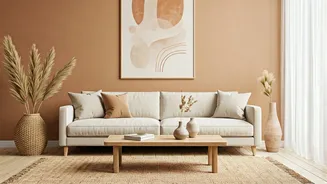
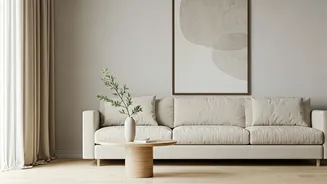
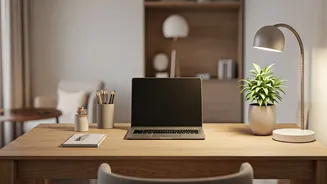
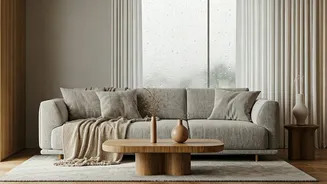
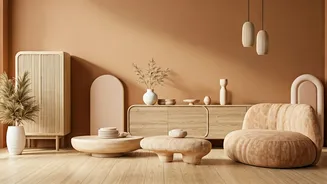
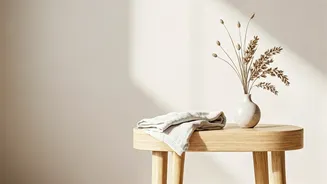
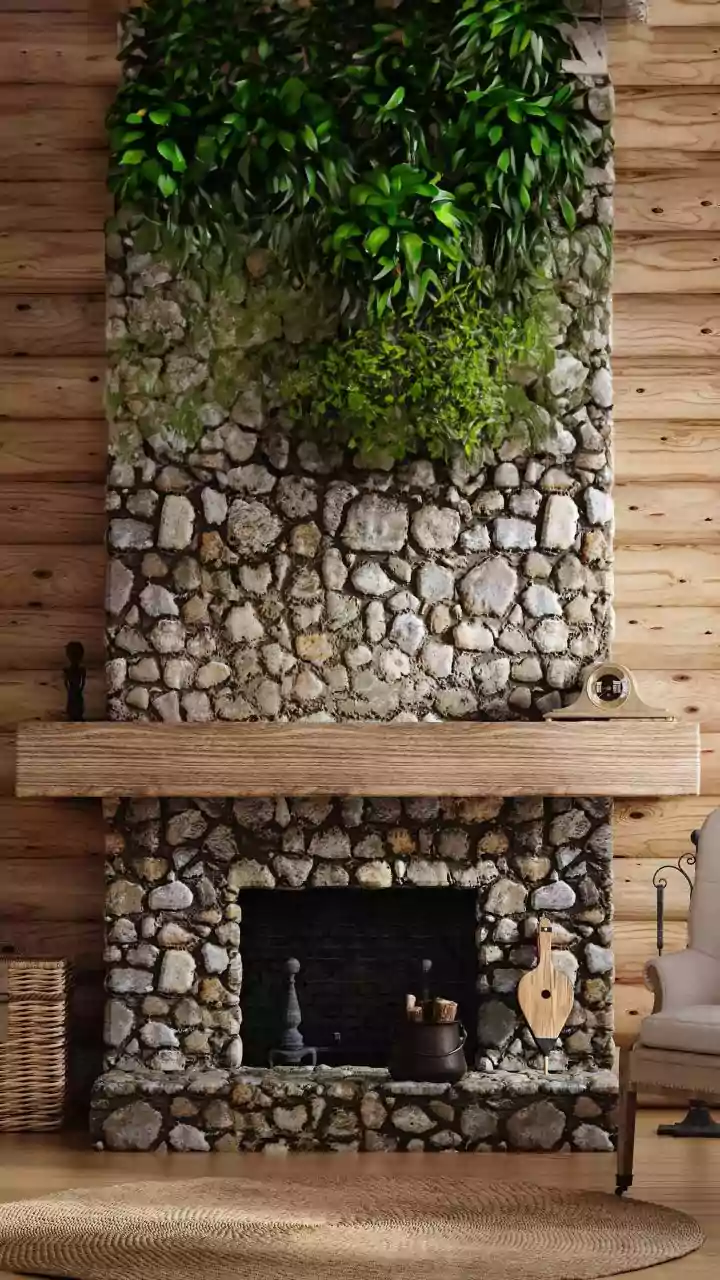
Think less of a sterile art gallery and more of a serene sanctuary. This new wave, sometimes called “warm minimalism” or “soft minimalism,” isn't about getting rid of everything you own. It's about thoughtfully curating what you keep. It champions natural materials like wood, linen, and stone, incorporates soft textures, and uses a gentle, earth-toned color palette. The focus is on craftsmanship, quality, and how an object or space makes you feel, not just how it looks.
A Quiet Answer to a Loud World
So why is this happening now? In part, it’s a direct reaction to the chaos of the last few years. After being confined to our homes, many of us re-evaluated our relationship with our surroundings. The home became an office, a school, and a gym, and the resulting clutter created a deep yearning for simplicity and control. Minimalism offers a visual and psychological respite. By stripping away the non-essential, we create mental clarity. Furthermore, the trend is a pushback against the hyper-consumerism and fast-fashion ethos that defined the 2010s. The endless scroll of social media, the pressure to keep up with fleeting micro-trends, and the environmental cost of it all have left people exhausted. Minimalist design is an antidote—a conscious choice to opt for sustainability and longevity over temporary gratification.
The 'Quiet Luxury' Connection
You may have heard the term “quiet luxury” in fashion—the move toward unbranded, high-quality, timeless clothing. The same principle is at play in our homes. Minimalist design is the interior design equivalent. It’s about investing in a beautifully crafted dining table you’ll have for decades, rather than a cheap, trendy one you’ll replace in two years. It's the art of communicating taste and quality through form, material, and craftsmanship instead of logos and loud statements. This approach favors pieces with a story, whether it's a vintage find, an artisan-made ceramic, or a sofa with impeccable tailoring. The “luxury” here isn’t about price but about the richness of simplicity and the deliberate choice to surround yourself with things that are both beautiful and functional.
Bringing Minimalism Home (Without the Echo)
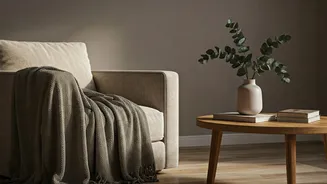
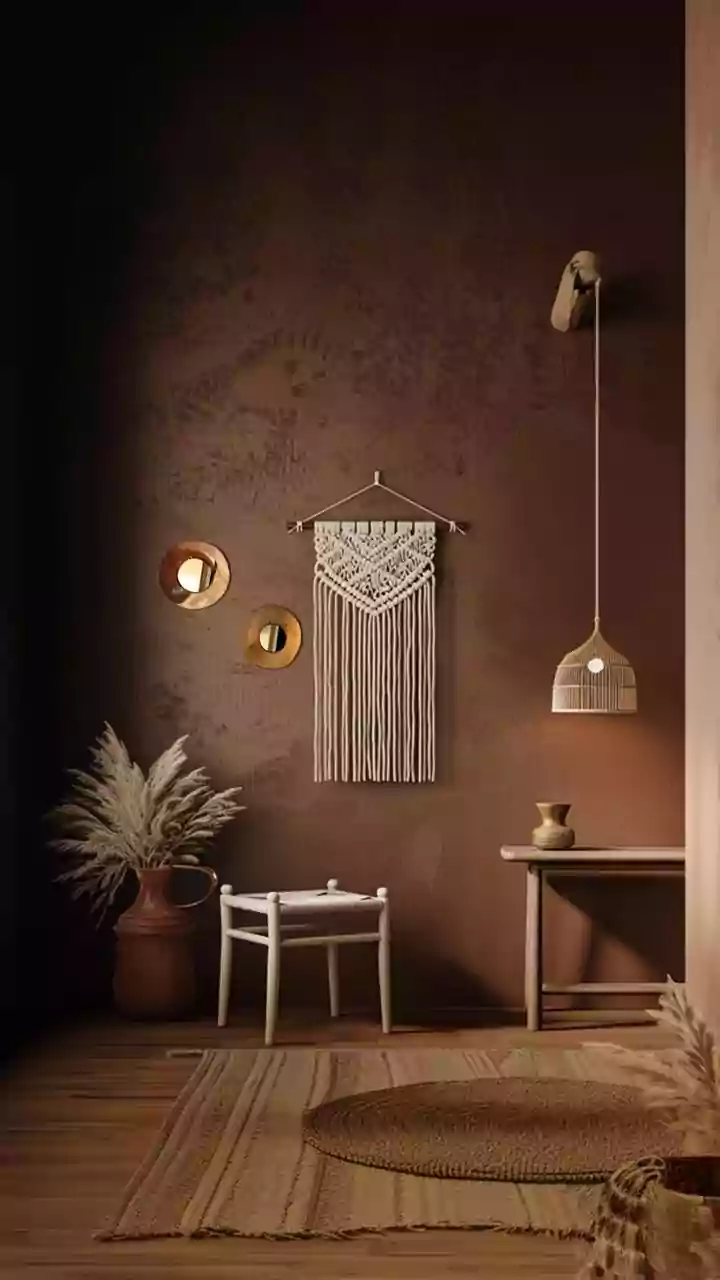
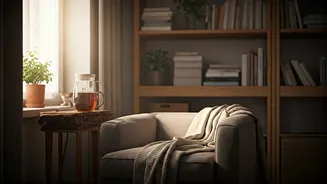
Embracing this trend doesn’t require a massive purge or a monochrome wardrobe. It’s about shifting your mindset. Start small. Choose one area, like your nightstand or coffee table, and clear it of everything that isn’t useful or beautiful to you. Notice how it feels. When considering a new purchase, ask yourself: “Do I truly need this? Is it well-made? Will I love it in five years?” Focus on texture to add warmth; a chunky knit blanket, a linen curtain, or a jute rug can make a simple room feel cozy and inviting. Most importantly, remember that modern minimalism is personal. It’s about creating a home that supports your life and brings you peace, not one that adheres to a rigid set of aesthetic rules found online.