




Ditch the Poncho for Breathable Rainwear
The classic, heavy plastic poncho might seem like a good idea, but in India’s oppressive humidity, it becomes a personal sauna within minutes. The monsoon isn't just wet; it's incredibly steamy. Smarter packing means investing in a lightweight, truly
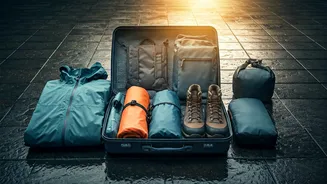
breathable rain jacket. Look for materials like Gore-Tex Paclite or similar proprietary fabrics that block water from getting in but allow sweat vapor to escape. A good jacket should also have a well-designed hood with a brim to keep rain off your face and sealed seams to prevent leaks during a downpour. This single piece of gear is your primary shield, allowing you to explore cities like Mumbai or hike through the hills of Kerala without feeling clammy and miserable.
Choose Footwear That Dries Fast
Leather shoes are a disaster in the monsoon—they get waterlogged, take days to dry, and can be ruined by mold. Waterproof hiking boots sound logical, but they can be hot and, once water gets over the top, they become buckets on your feet. The smartest choice is open-toed, adventure-style sandals with good grip (think Keen or Teva) or quick-drying trail runners made from synthetic mesh. These options don’t try to fight the water; they embrace it. They’re designed to get wet and dry quickly, often overnight in a hotel room. Their rugged soles provide essential traction on slippery cobblestones in Udaipur or muddy paths in Goa, preventing the slips and falls that are common on wet surfaces.
Embrace Fast-Drying Synthetic Fabrics
Cotton is your enemy during the monsoon. Once wet, it stays wet, feeling heavy and cold against your skin and taking forever to dry in the humid air. Your entire travel wardrobe should be built around quick-drying synthetic fabrics or merino wool. Synthetics like polyester and nylon are lightweight, wick moisture away from your body, and can dry in a few hours. Merino wool is a natural wonder: it insulates even when wet, resists odor for multiple wears, and is surprisingly breathable. Packing a few synthetic t-shirts, a pair of quick-dry travel pants, and merino wool socks is a strategic move that drastically reduces your luggage weight and ensures you always have something dry to wear.
Your Electronics Survival Kit is Crucial
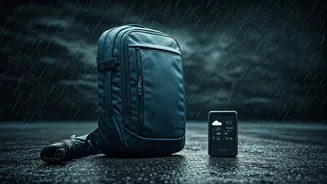
Humidity is as much a threat to your electronics as a direct downpour. Your smartphone, camera, and power bank need more protection than just being tucked inside your backpack. The non-negotiable item here is a small dry bag. These roll-top waterproof sacks, popular with kayakers, create an airtight seal that keeps moisture out. Keep your valuable electronics inside this dry bag, even when it’s inside your main backpack, for total peace of mind. Additionally, pack a few large Ziploc bags for extra protection and silica gel packets (the kind you find in new shoe boxes) to toss into your electronics bag to absorb ambient moisture.
Pack a Monsoon-Specific Health Kit
The monsoon brings its own set of minor health annoyances. Puddles and damp conditions are breeding grounds for bacteria and mosquitos. Your standard first-aid kit needs a few upgrades. First, include a strong mosquito repellent with DEET, especially for evenings and trips to rural areas. Second, pack an anti-fungal powder or cream for your feet to prevent infections from constantly being damp. Water purification tablets or a filter bottle are wise, as water quality can be compromised during heavy rains. Finally, add extra band-aids and antiseptic wipes, as small cuts and scrapes can get infected more easily in the damp environment.
Adopt the Daypack and Dry Bag Strategy
Don't rely on a single, large backpack. The most effective system for monsoon travel is a dual-bag approach. Your main luggage, whether a suitcase or a large backpack, should stay at your hotel. For daily excursions, use a small, water-resistant daypack. This keeps you agile and unencumbered. Inside this daypack, organize your essentials using the dry bag mentioned earlier. This compartmentalization ensures that even if your outer bag gets soaked in an unexpected cloudburst while exploring the tea plantations of Munnar, your passport, wallet, and phone remain perfectly safe and dry. It’s a simple system that removes a huge amount of travel anxiety.