
The 100-Year-Old 'New' Thing
First, let's get one thing straight: Pilates isn’t new. It’s just having a major renaissance. Developed by Joseph Pilates in the early 20th century, the method—originally called “Contrology”—was designed to build strength, flexibility, and control through
precise, core-focused movements. For decades, it was the secret weapon of professional dancers and in-the-know physical therapists. This long history gives it a credibility that newer, more gimmicky workouts lack. Unlike trends that pop up overnight with slick marketing, Pilates has a century of proven results. Its principles are grounded in anatomy and rehabilitation, making it a practice with a solid foundation. This isn't a workout invented for Instagram; it's a time-tested system that Instagram just happens to have discovered.
Celebrity Catnip and TikTok Appeal
Of course, a deep history doesn’t explain its current explosion in popularity. For that, you can thank a powerful combination of celebrity influence and social media. When A-listers like Hailey Bieber, Lori Harvey, and Harry Styles are photographed leaving Reformer classes, it creates an aspirational halo effect. They make the practice look cool, effective, and part of a desirable lifestyle. But it’s not just paparazzi shots. TikTok has democratized the aesthetic, with countless creators sharing their “Pilates princess” routines, mat workout tutorials, and transformation videos. This constant stream of content keeps Pilates top-of-mind, showcasing its dual benefits: the sleek, toned physique and the calm, focused vibe that comes with it. It’s a perfect storm of aspirational marketing and accessible content that continues to draw in new devotees.
More Than Just a Core Workout
While Pilates is famous for sculpting abs, its modern appeal runs much deeper. We’re living in an era where wellness is increasingly holistic, and the sharp line between physical fitness and mental health is blurring. Pilates sits perfectly at this intersection. The practice demands intense concentration—you have to think about your breath, your alignment, and the specific muscles you’re engaging. This creates a state of mindfulness that can feel like a moving meditation. For many, a 50-minute session is a welcome escape from digital noise and daily stress. It’s a workout that forces you to be present. In a post-pandemic world where anxiety is high and people are seeking activities that nourish both mind and body, Pilates offers a powerful two-for-one benefit that high-intensity, adrenaline-fueled workouts often can't match.
Adaptable, Accessible, and Low-Impact
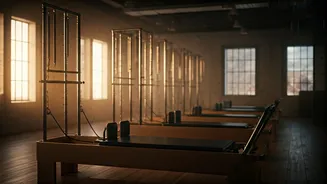
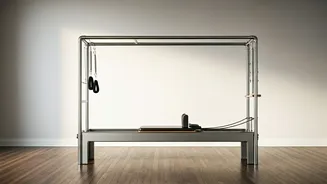
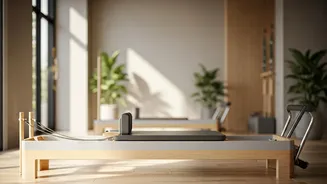
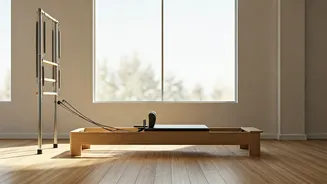
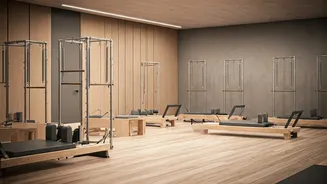
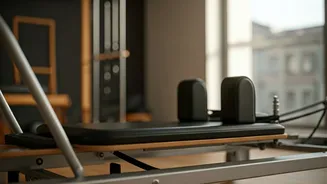
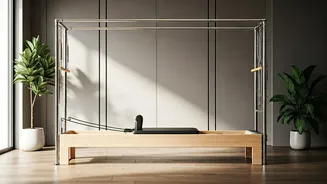
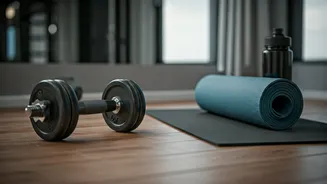
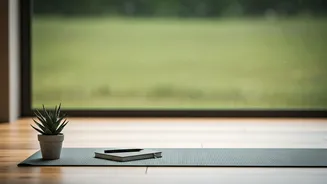
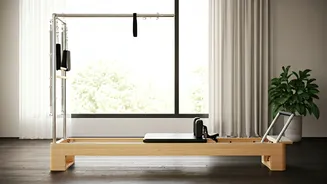
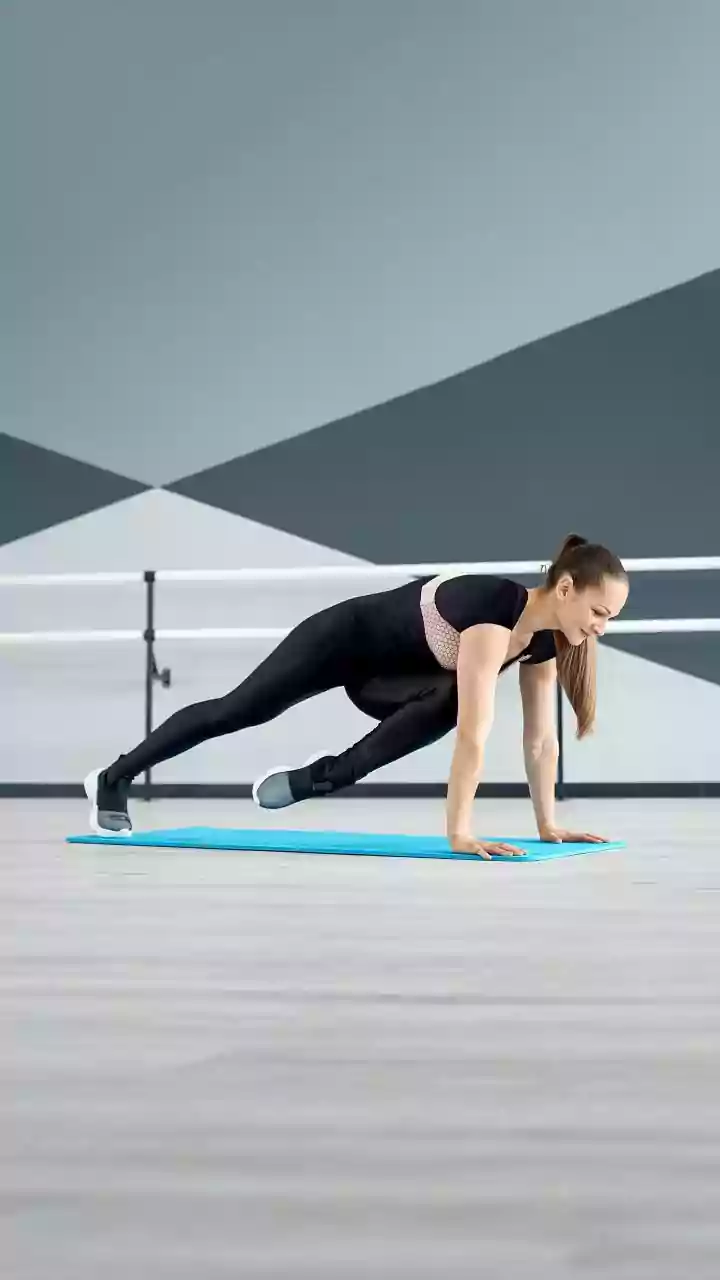
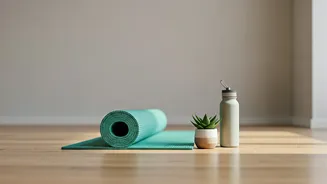
Perhaps the greatest key to its longevity is its incredible versatility. There isn’t just one “Pilates.” There’s classical mat Pilates you can do in your living room with a YouTube video. There are intimidatingly cool Reformer studios that offer a challenging, resistance-based workout. There are hybrid classes that fuse Pilates with cardio, yoga, or weights. This adaptability makes it accessible to nearly everyone, regardless of age, budget, or fitness level. Crucially, it’s a low-impact exercise, meaning it’s gentle on the joints. This makes it a sustainable practice for a lifetime—appealing to young athletes looking to cross-train, new mothers rebuilding core strength, and older adults seeking to maintain mobility and balance. Unlike punishing workouts that can lead to burnout or injury, Pilates is designed to build the body up, not break it down.