
The Drama of Unapologetic Flavor
The first act of this new wave is a full-frontal assault on the palate—in the best way possible. For years, many South Asian restaurants in the U.S. toned down their dishes, fearful that the pungent, sour, and bitter notes essential to the cuisine would
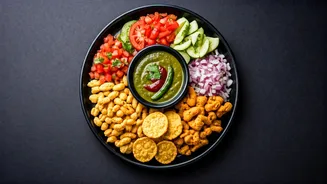
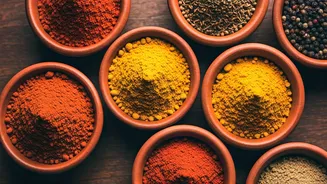
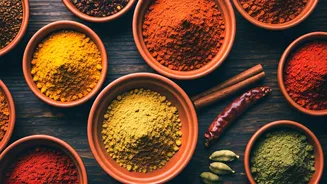
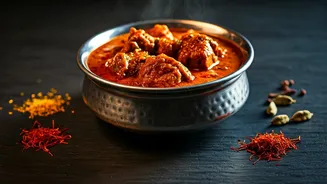
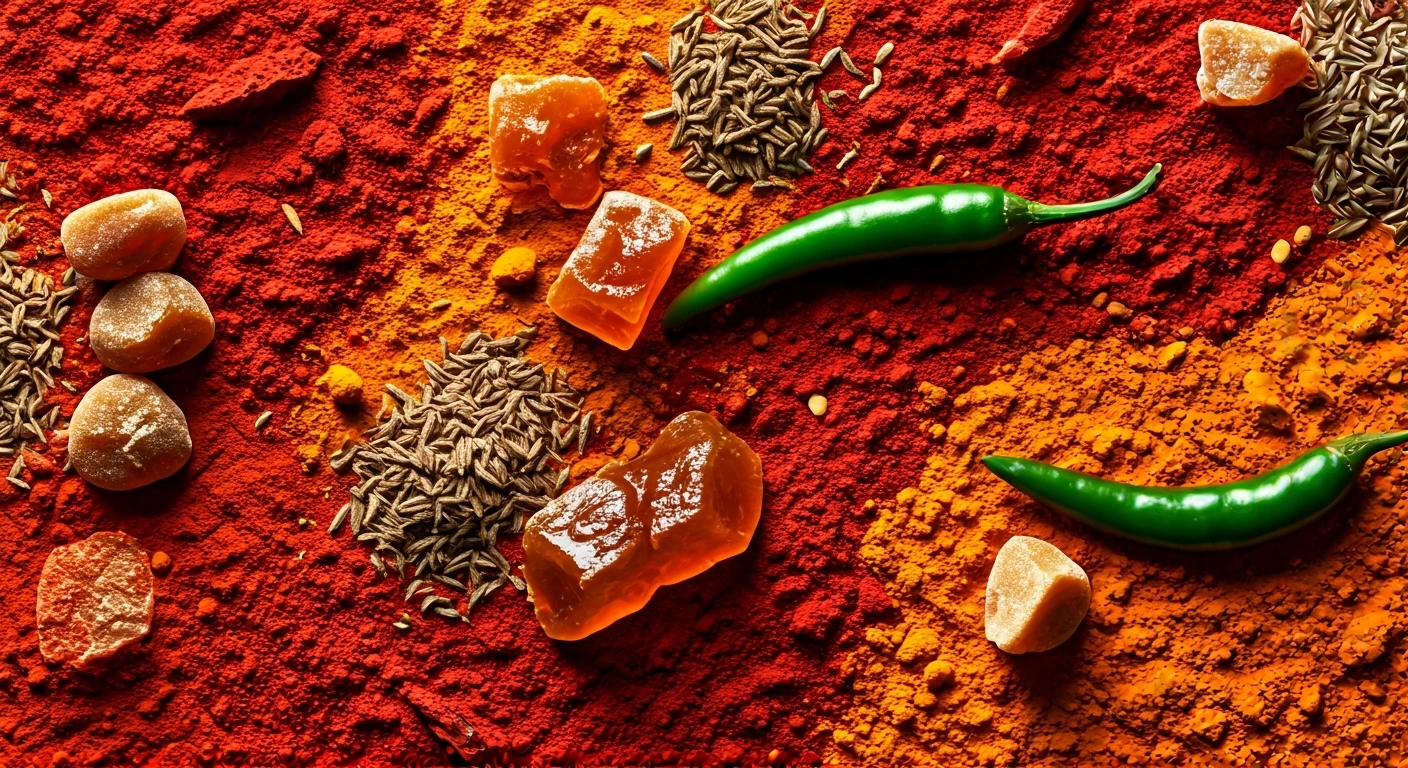
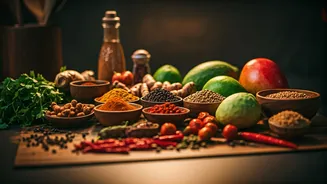
alienate American diners. The result was a landscape dominated by creamy, mild, and often sweet options like chicken tikka masala. But a new generation of chefs and diners is embracing what industry insiders call 'unapologetic flavor.' This means dishes that proudly feature the funk of black salt (kala namak), the sour punch of dried mango powder (amchoor), the smoky depth of black cardamom, and the assertive bitterness of fresh fenugreek. It’s a shift from food that asks for permission to food that makes a statement. By 2026, expect menus to feature flavors that are loud, proud, and deeply rooted in the specificities of a home kitchen, not a sanitized Western ideal.
The Drama of Regional Storytelling
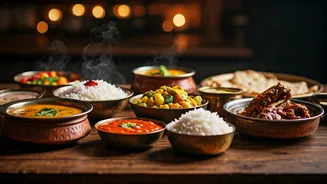
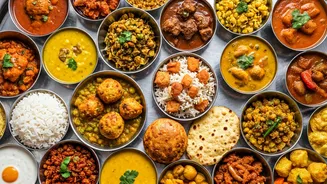
The second act is about tearing up the map—or rather, drawing a much more detailed one. The generic label of 'Indian food' is being replaced by a celebration of hyper-regionality. This isn't just about North versus South; it’s about the distinct culinary identities of Bengal, Goa, Kerala, Chettinad, Punjab, and dozens of other regions. Chefs are acting as storytellers, using their menus to transport diners to a specific place. Think less 'curry' and more 'Keralan fish moilee' with its delicate coconut and kodampuli, or 'Naga pork with ghost pepper' that speaks to the traditions of India's northeast. This trend, already visible in Michelin-starred restaurants like Semma in New York (focused on Tamil Nadu) and Dhamaka (showcasing provincial 'forgotten' recipes), will trickle down. It transforms dining from a simple meal into a cultural lesson, where every dish has a backstory and a sense of place. The drama here is in the specificity and the powerful narrative of home.
The Drama of Fire and Technique
Beyond flavor, the new Desi drama is also intensely physical. It’s about showcasing the *how* as much as the *what*. While the tandoor oven remains an icon, chefs are exploring a wider range of traditional cooking techniques, particularly those involving live fire. We’re seeing a renewed interest in sigri (a charcoal brazier), charcoal grilling of kebabs that go far beyond chicken, and even dum pukht, a slow-cooking technique where food is sealed in a pot and cooked over a low flame for hours, letting the ingredients meld in their own steam. This focus on technique elevates the craft, bringing the dynamic, smoky, and often theatrical process of a bustling South Asian market into the modern American restaurant. It’s a visceral drama that you can see, smell, and taste—a reminder that this food isn’t just assembled, it’s forged.
The Drama of Modern Form
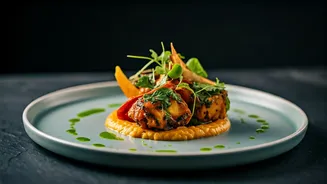
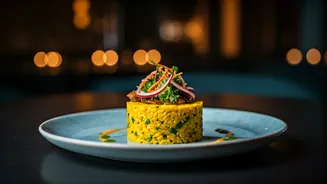
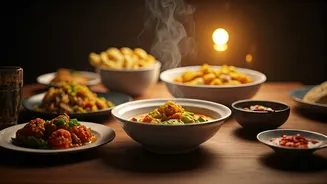
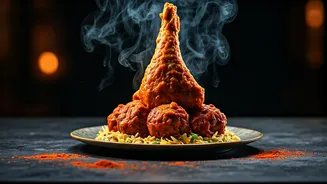
Finally, the stage itself is changing. The presentation of South Asian food is undergoing a creative revolution. The classic stainless-steel bowls are giving way to thoughtful, modern plating that emphasizes color, texture, and artistry. But the real drama is in the reimagining of formats. We're seeing the rise of the South Asian-inspired cocktail bar, where spices like cardamom and turmeric infuse inventive drinks. Tasting menus are becoming more common, allowing chefs to guide diners through a curated journey of flavors. Even casual street foods are getting a glow-up, served in interactive formats or as fusion-forward concepts, like a spiced lamb taco or a dosa filled with unexpected ingredients. This isn't about abandoning tradition but about finding new, exciting contexts for it. It acknowledges that in today’s world, a meal is also an experience—and a little bit of theater makes everything more memorable.