


First, What Is 'Newstalgia'?
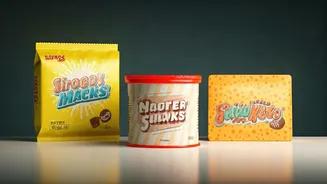
The term itself sounds like a buzzword from a marketing conference, and in many ways, it is. But the feeling it describes is real. ‘Newstalgia’ is the deliberate act of taking something old and familiar—a discontinued soda, a classic candy bar, a fast-food
item from the 90s—and reintroducing it with a modern, often limited-edition, twist. It’s not just about bringing back the past; it’s about remixing it for the present. Think of it as a greatest-hits album with a new, unreleased track. The goal isn't just to make you remember; it's to make you act *now*. The ‘new’ part of newstalgia is crucial. It adds a layer of novelty and scarcity to the comforting blanket of the ‘nostalgia’ part, creating an emotional cocktail that’s almost impossible for our brains to ignore.
The Psychology of the Craving
Why does this work so well on us? It’s a two-pronged attack on our psyche. First, nostalgia offers a potent sense of comfort and security. Recalling a favorite childhood cereal or the burger you ate after school transports us back to a simpler, often happier time. It’s an emotional shortcut to feeling good, a phenomenon psychologists call ‘rosy retrospection.’ We tend to remember the past more fondly than it might have actually been, and brands know this. But newstalgia adds a modern, anxiety-inducing ingredient: FOMO, or the Fear Of Missing Out. By making these resurrected products available for a limited time or in limited quantities, companies create a sense of urgency. It’s no longer just, “Oh, I remember those, that’s nice.” It becomes, “If I don’t get this now, I might never get to experience it again.” This transforms a passive memory into an active desire, pushing you to go out of your way to find and purchase the item before it disappears.
The Fast-Food Hall of Fame
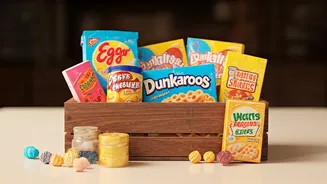
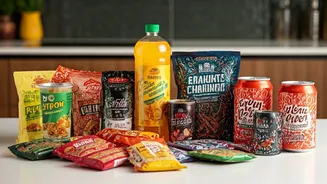
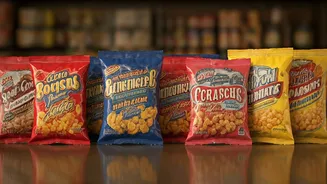
You’ve seen this play out time and time again. Taco Bell’s decision to remove the Mexican Pizza from its menu sparked a massive online outcry, complete with celebrity-endorsed petitions. Its triumphant, limited-run return was a national event, driving huge sales and social media chatter. McDonald’s is the undisputed champion of this tactic. The McRib is the classic example, a cult favorite that appears and vanishes cyclically, guaranteeing a flurry of excitement with each return. More recently, the brief reappearance of its Szechuan Sauce—originally a tie-in for the 1998 film *Mulan* and later immortalized by the show *Rick and Morty*—caused actual chaos, with fans lining up for hours. These aren’t just menu items; they’re manufactured cultural moments. Even grocery store aisles are filled with newstalgic bait, from throwback soda can designs to limited-edition Oreo flavors that taste like a forgotten dessert from your youth.
The Social Media FOMO Machine
Newstalgia is perfectly engineered for the social media age. The hunt for the limited-edition snack is half the fun, and the ultimate prize is posting about it. An Instagram story of you holding the elusive item or a TikTok of your first bite is the modern-day trophy. It’s not just about consuming the product; it’s about participating in the conversation and proving you were there. The vibrant packaging and unique look of these items are designed to be photogenic, turning every customer into a potential micro-influencer for the brand. This creates a feedback loop: you see someone post about the product, your FOMO kicks in, you go buy it, you post about it, and you trigger someone else’s FOMO. It’s a brilliant, self-perpetuating marketing engine that costs the brand very little.