



A Match Made in Summer Sun
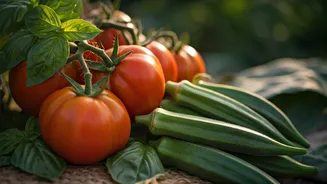
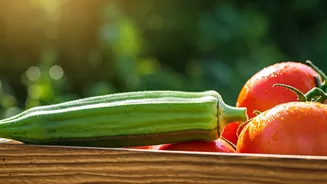
Before you even pick up a trowel, know this: okra and tomatoes are a perfect pairing because they want the same thing. Both are sun-worshippers that thrive in the heat that makes other plants wilt. This shared need makes garden planning incredibly simple.
You don't have to worry about one plant shading out another or catering to wildly different watering schedules. They are the quintessential duo for a hot, sunny spot in your yard, especially in the South, Southwest, and Midwest, where summer heat is a given. By planting them together, you’re creating a small, manageable ecosystem where the growing conditions for one are the ideal conditions for the other. This compatibility is your first, and easiest, win.
Okra: The Tough, Prolific Producer
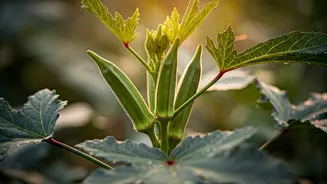
If you're looking for a plant that practically guarantees a harvest, meet okra. This vegetable is famously tough. Once established, it’s remarkably drought-tolerant and shrugs off the kind of blistering heat that sends other crops into retirement. Pests tend to leave it alone, meaning you won’t spend your weekends frantically researching organic pesticides. The best part for a beginner is its relentless production. Plant a few seeds, and a couple of months later you’ll have sturdy, five-foot-tall stalks churning out pods every other day. This rapid, continuous harvest is a massive confidence booster. The key is to pick the pods when they’re small (about 2-4 inches long) to keep them tender and encourage the plant to produce even more. It’s the definition of a low-effort, high-reward crop.
Tomatoes: The Rewarding Garden Classic
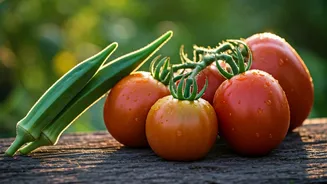
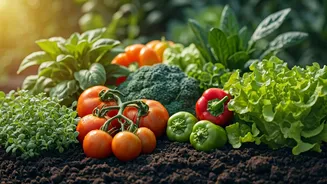
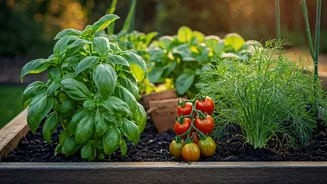
No vegetable garden feels complete without tomatoes, but some varieties can be finicky. The trick for beginners is to choose the right type. Start with cherry tomatoes (like Sun Gold or Sweet 100s) or a hardy, disease-resistant determinate (or “bush”) variety like Roma or Celebrity. Cherry tomatoes are incredibly prolific and less prone to the problems that plague larger heirlooms. Determinate varieties grow to a manageable size, set their fruit all at once, and often require less staking and pruning. While you'll need to watch for common issues like blight or the dreaded tomato hornworm, these are often manageable with good air circulation and a watchful eye. The payoff is immense: the unparalleled taste of a sun-warmed tomato plucked right from the vine is the experience that turns a first-timer into a lifelong gardener.
Simple Steps for Planting Success
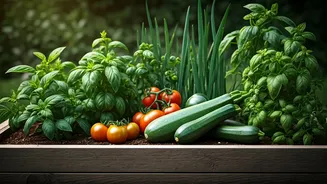
You don't need a degree in horticulture to get these two in the ground. Just follow a few basic rules. First, wait until the soil is genuinely warm—well after the last frost date. Both plants hate cold feet. Pick a spot that gets at least six to eight hours of direct sunlight per day. More is better. Both okra and tomatoes appreciate well-draining soil, so if you have heavy clay, amend it with compost to lighten it up. When planting, give them space. Plant tomato seedlings about two feet apart, and sow okra seeds about 12 inches apart. This ensures good airflow, which is the number one defense against fungal diseases. Water them deeply after planting and continue to provide consistent moisture, especially as they start to set fruit. A layer of mulch (like straw or shredded leaves) will help keep the soil moist and suppress weeds.
Harvesting Your Homegrown Bounty
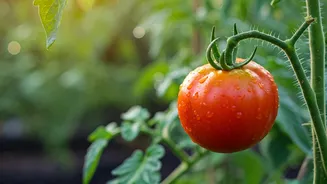
The reward for your light labor comes at harvest time. For okra, check your plants every day or two once they start flowering. The pods grow incredibly fast. Use shears or a knife to snip the pods off with a small piece of stem attached. If you let them get too big, they become woody and inedible, and the plant may stop producing. For tomatoes, the cues are color and feel. The fruit should be deeply and uniformly colored (whether red, yellow, or orange) and feel firm but not hard. Give it a gentle twist; a ripe tomato will pop right off the vine. Harvest regularly to encourage the plants to keep focusing their energy on ripening the remaining fruit. This simple act of gathering food you grew yourself is one of summer’s greatest pleasures.