
So, What Is a 'Vrat'?
At its core, 'vrat' is the Hindi word for a fast undertaken for religious or spiritual reasons. It’s a common practice in Hinduism, tied to specific festivals or days of the week dedicated to certain deities. While some fasts involve abstaining from all
food and water, many of the most widely observed—like those during the nine-night festival of Navratri—involve following a specific diet rather than complete deprivation. Think of it less like a Western-style intermittent fast focused on health benefits and more like a form of spiritual discipline. The goal is to purify the body and mind, detach from everyday sensory pleasures, and focus on devotion. For millions of Hindus in the U.S. and around the world, these fasting periods are a cornerstone of their faith, observed with a mix of piety and communal celebration. And as with any celebration, food plays a central role.
The Rules of the Vrat Kitchen
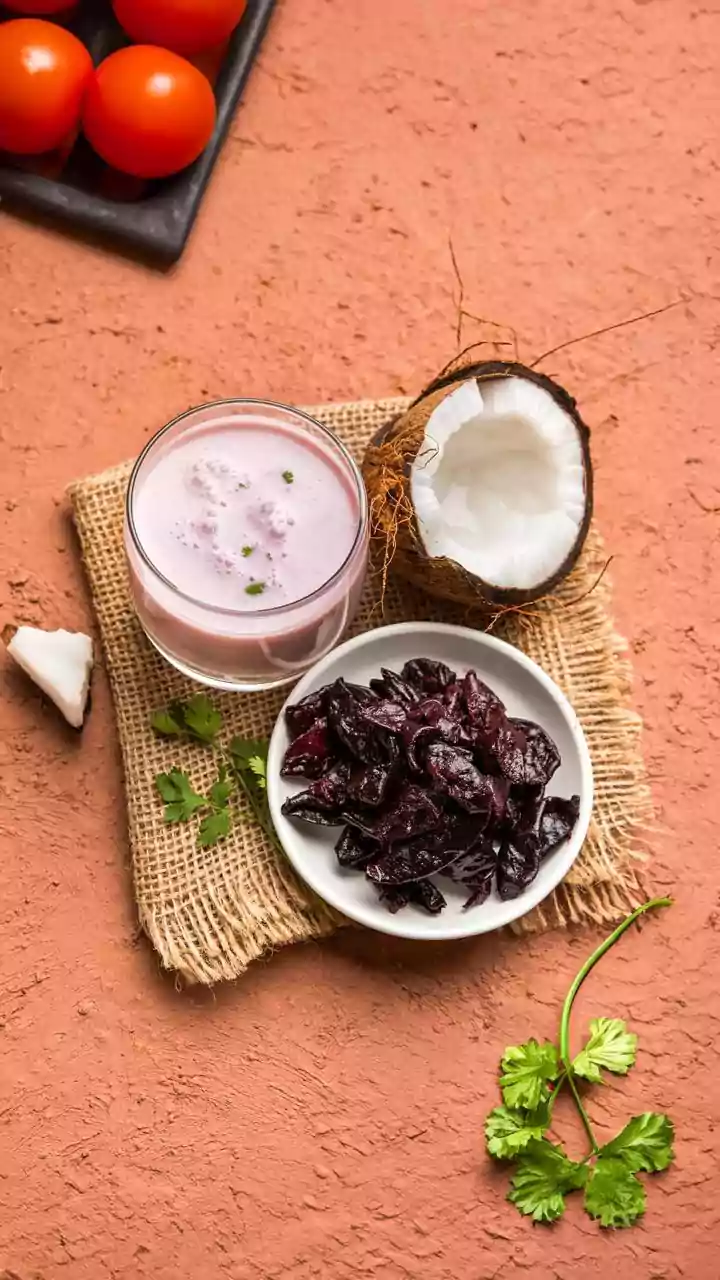
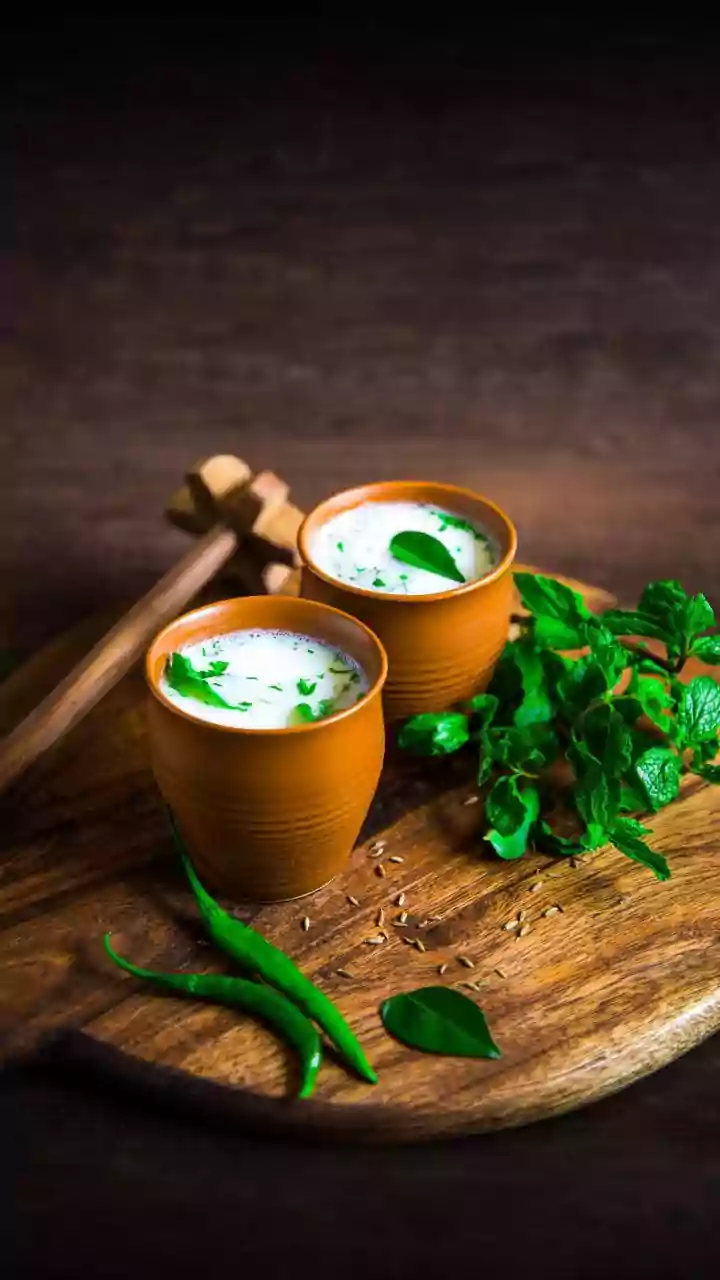
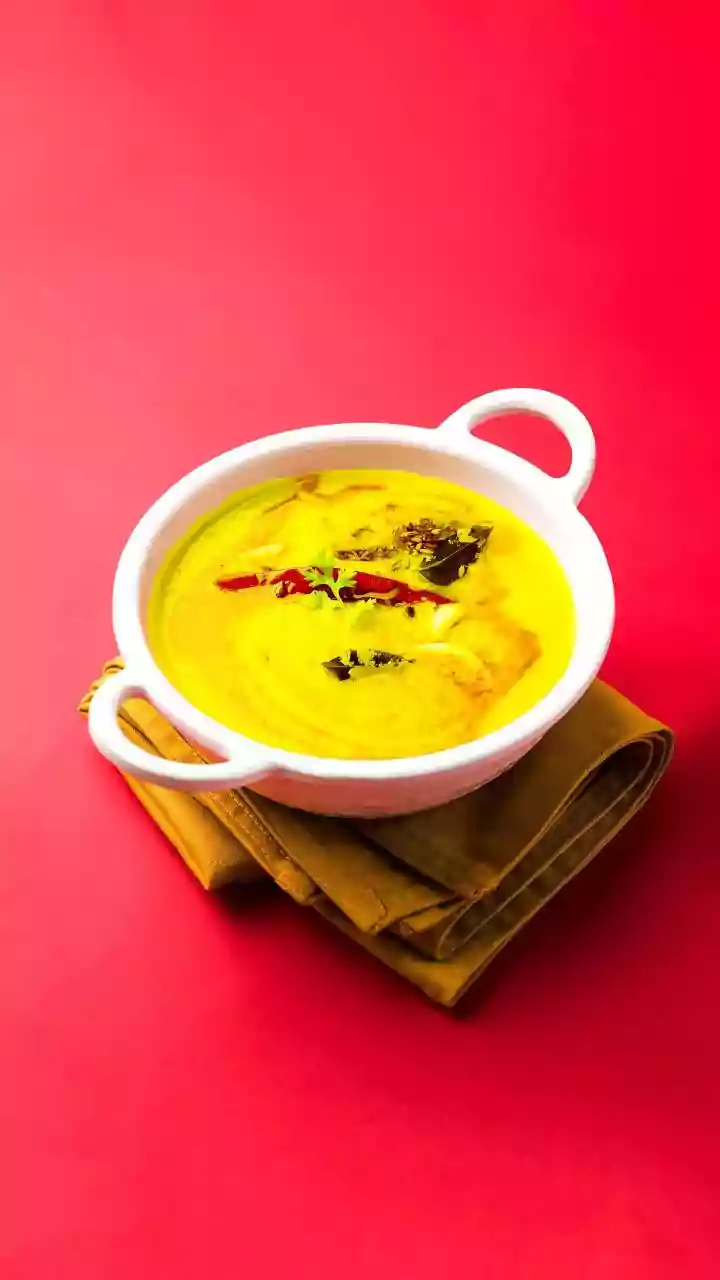
The “vrat-friendly” diet has a distinct set of rules that can seem complex at first. While they vary slightly by region and family, the basics remain consistent. Grains like wheat and rice are off the table, as are lentils and legumes. Common vegetables like onions and garlic, considered “tamasic” (foods that are believed to cause sluggishness or dull the mind), are also avoided. So, what’s left? A surprising and creative pantry. Root vegetables like potatoes and sweet potatoes are staples. Dairy products such as milk, yogurt, and paneer are encouraged. Fruits are consumed in abundance. For salt, regular table salt is swapped for 'sendha namak,' or rock salt, which is considered purer. This specific set of ingredients forces a complete rethink of the daily menu, turning dietary restrictions into a catalyst for culinary ingenuity.
Meet the Star Ingredients
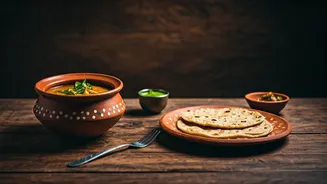
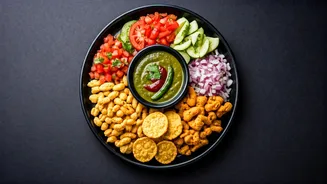
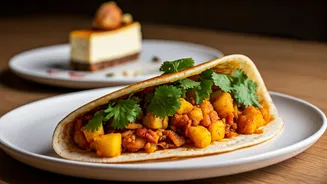
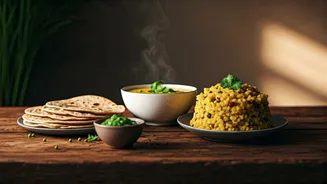
The real magic of vrat cooking lies in its alternative flours and starches. Instead of wheat, cooks turn to 'kuttu ka atta' (buckwheat flour), 'singhare ka atta' (water chestnut flour), and 'rajgira' (amaranth flour). These gluten-free flours are used to make everything from flatbreads (puris) to savory pancakes. The undeniable superstar of vrat cooking, however, is 'sabudana' (tapioca pearls). These small, starchy spheres are transformed into 'Sabudana Khichdi,' a savory and satisfying dish sautéed with potatoes, peanuts, and spices, or 'Sabudana Vada,' a crispy fried fritter. These dishes are so beloved that many people look forward to fasting season just to eat them. They are comforting, carb-heavy, and provide the energy needed to get through the day.
The 'Push' Is Real
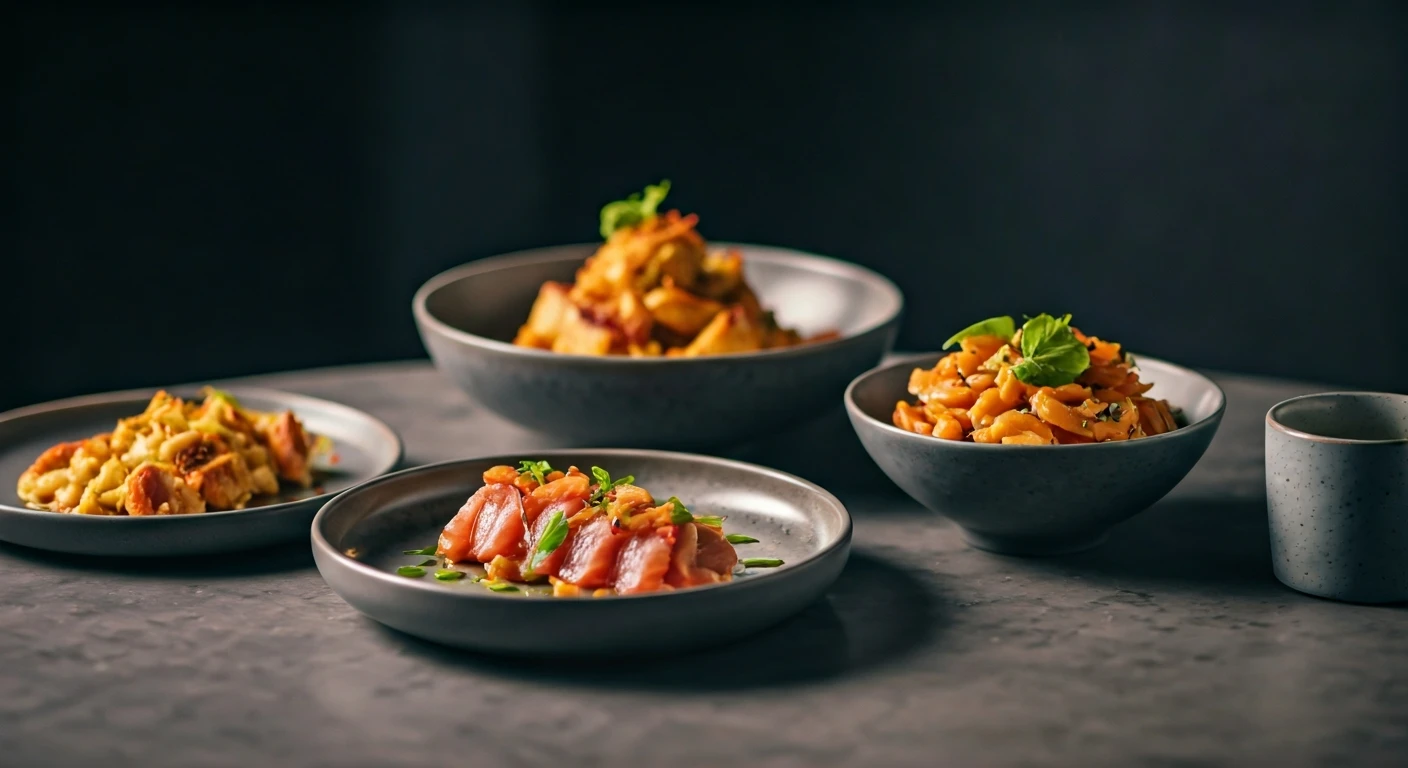
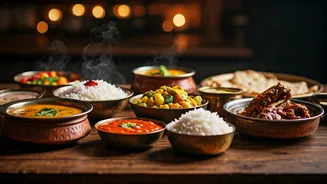
For years, observing a vrat in the U.S. meant a lot of DIY effort. But as the South Asian diaspora has grown in size and influence, the market has responded. The “seasonal push” is no longer a niche phenomenon. Indian grocery stores now build elaborate displays for Navratri, stacking bags of sabudana and vrat-approved flours next to pre-made fasting snacks. Restaurants, from small mom-and-pop shops to larger chains, now offer special “Navratri Thalis”—curated platters featuring a variety of compliant dishes. Social media has amplified this trend exponentially. Food bloggers and influencers share creative, modern takes on traditional recipes—think vrat-friendly pizzas with a buckwheat crust or amaranth-based brownies. This digital buzz not only serves the diaspora community but also introduces these dishes to a wider, food-curious American audience who may be interested in gluten-free or alternative grains.
More Than Restriction, a Creative Challenge
What could be seen as a period of limitation is more often viewed as an opportunity for creativity and connection. Families bond over preparing these special meals. The temporary change in diet is a physical reminder of the spiritual commitment, a way to feel connected to a tradition that stretches back centuries, even when living thousands ofmiles from India. This seasonal shift in the kitchen brings a unique rhythm to the household. It’s a time to rediscover old family recipes and experiment with new ones. For the younger generation of Indian Americans, it’s a tangible link to their cultural heritage, made accessible and relevant through the universal language of delicious food. The creativity it sparks ensures that the tradition isn't just preserved; it's alive and evolving.