
First, What Exactly Is Mithai?
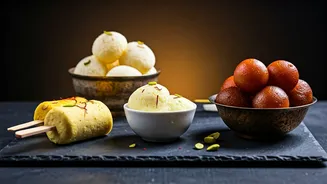
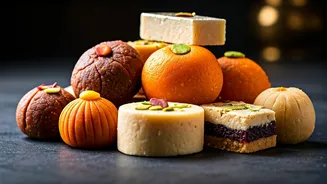
'Mithai' is the collective term for a vast and dazzling universe of traditional South Asian sweets. Think of it less as a single dish and more as a category, like 'pastry' in French cuisine. These confections are central to celebrations, festivals, and daily
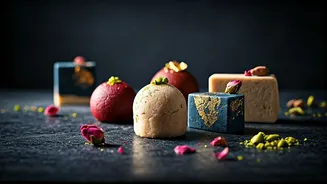
life across India, Pakistan, Bangladesh, and their diasporas. Often made from a base of milk, chickpea flour, or paneer-like cheese (chenna), they are cooked down with sugar or jaggery and infused with an array of spices, nuts, and floral essences. Familiar examples include *gulab jamun* (deep-fried dough balls soaked in a fragrant syrup), *barfi* (a dense, milk-based fudge), and *jalebi* (crispy, syrup-soaked spirals). While intensely sweet, their defining characteristic is a profound depth of flavor that goes far beyond simple sugar.
The New Aromatic Pantry
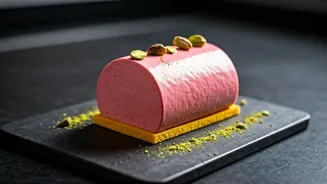
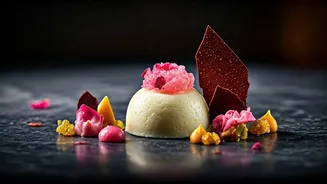
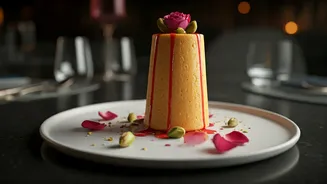
So what are these flavors that have chefs so captivated? They form a kind of aromatic pantry that offers a compelling alternative to the familiar vanilla-cinnamon-nutmeg axis of Western pastry. The star player is often cardamom, with its complex profile of citrus, mint, and smoke. It can elevate anything from a simple shortbread to a creamy panna cotta. Then there’s saffron, the world's most expensive spice, which imparts a subtle, honeyed bitterness and a stunning golden hue. Rosewater and orange blossom water offer delicate floral notes that can cut through richness and add an unexpected layer of elegance. Pistachios and almonds aren't just used as a crunchy garnish; they're ground into pastes and flours, providing nutty, savory foundations. These ingredients aren't just 'exotic' additions; they are sophisticated tools that can create desserts that are at once familiar and thrillingly new.
Deconstructed and Reimagined
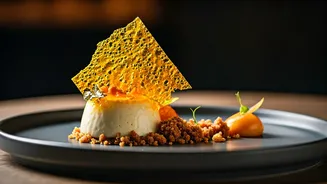
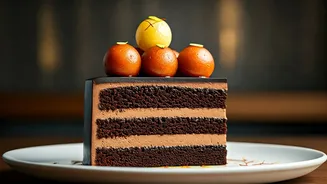
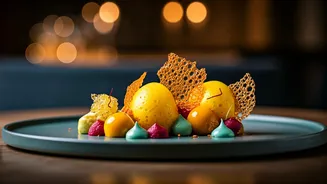
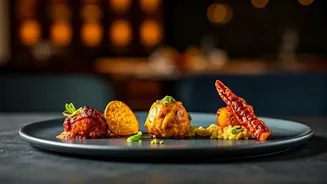
The key to this trend is not that restaurants are simply putting traditional mithai on their menus. Instead, innovative chefs are deconstructing these sweets and using their flavor profiles as inspiration for entirely new creations. Think of it as a creative conversation between cultures. A New York pastry chef might not serve you a classic *kheer* (rice pudding), but you might find a rice pudding ice cream infused with cardamom and topped with saffron-poached apricots. The spirit of *gajar ka halwa* (a warm carrot-and-milk pudding) might be reimagined as a spiced carrot cake with rosewater cream cheese frosting. At The Musket Room in New York, James Beard Award-winning pastry chef Camari Mick has been lauded for desserts that gracefully weave these flavors into her modern American repertoire. It’s about isolating the soul of a beloved sweet—the warmth of cardamom, the perfume of rose—and translating it into a format that feels perfectly at home on a contemporary fine-dining menu.
Why Now? A Generation Claims Its Flavor
This culinary moment isn’t happening in a vacuum. It’s being driven by a generation of South Asian American chefs and bakers who grew up with these flavors. For years, immigrant food in America was often expected to be 'authentic' in a very rigid, traditional sense. But today’s chefs are breaking free from that pressure. They are confidently integrating the tastes of their heritage into the broader lexicon of American cuisine. This isn't 'fusion' for the sake of novelty; it's a natural, personal expression of a dual identity. At the same time, American diners have become more curious and adventurous than ever. We’ve moved past the gateway spices of curry powder and turmeric. Now, audiences are ready for—and excited by—the complex, layered flavors that define so much of South Asian cooking, both savory and sweet. It’s a perfect storm of creative talent meeting a receptive audience.