


Meet the Ancient Superfoods
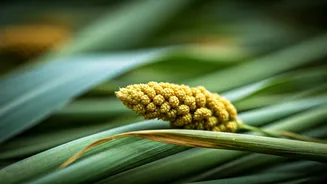
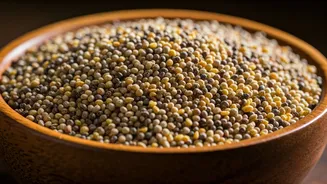
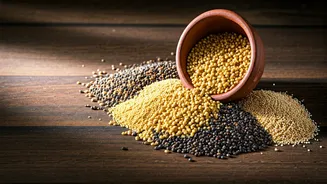
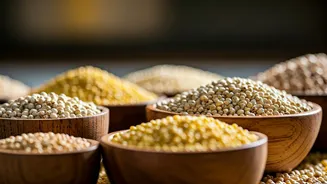
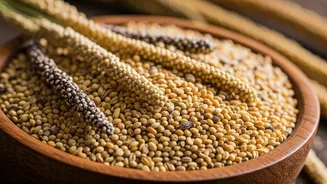
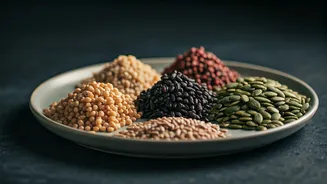
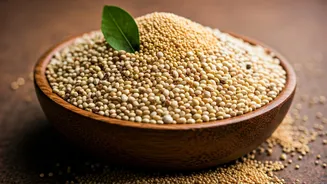
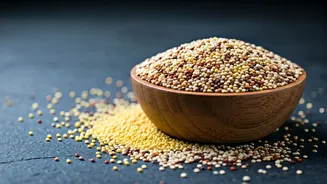
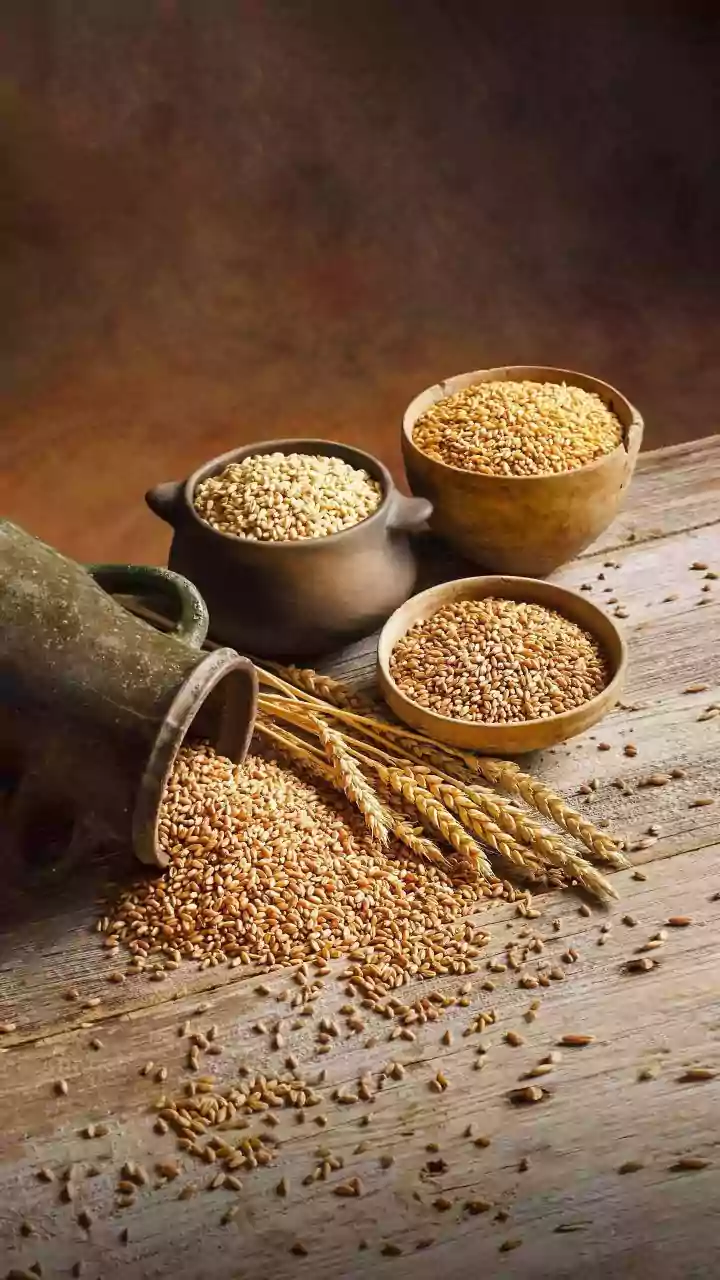
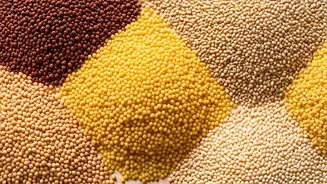
At the heart of this comeback are millets, a family of hardy, small-seeded grasses that were staples of the Indian diet for millennia. Grains like sorghum (jowar), pearl millet (bajra), and finger millet (ragi) are nutritional powerhouses. They are naturally
gluten-free, rich in protein and dietary fiber, and have a low glycemic index, which helps in managing blood sugar levels. Unlike the now-ubiquitous wheat and rice, these grains are drought-resistant and require far less water to grow, making them an environmentally sound choice for farmers. For centuries, these grains formed the backbone of regional cuisines, from hearty flatbreads in the north to savory porridges in the south. They were the everyday fuel for millions before they were pushed to the fringes.
How They Got Left Behind
So if these grains were so great, why did they disappear? The shift began in the mid-20th century with the Green Revolution. In a massive, state-sponsored effort to combat famine and achieve food self-sufficiency, India focused its agricultural policies on high-yield varieties of wheat and rice. Government subsidies, marketing, and a new public distribution system made these two grains cheap, accessible, and aspirational. Millets, which received little to no state support, were gradually relegated to the status of “poor people’s food” or animal feed. Polished white rice and soft wheat chapatis became symbols of modern prosperity, while the coarse, rustic texture of millets was seen as a relic of a less affluent past. Convenience also played a role; refined flours were easier to cook with and had a longer shelf life.
A Modern Health Awakening
The comeback is being driven by a force as powerful as the one that caused their decline: a public health crisis. India is currently facing an epidemic of lifestyle diseases like diabetes, obesity, and heart disease, much of it linked to modern diets heavy in processed foods and refined carbohydrates. In response, a new generation of health-conscious urban Indians, nutritionists, and doctors are looking for homegrown solutions. They’re finding them in their grandparents’ pantries. The same properties that once made millets a staple—high fiber, complex carbs, and essential nutrients—make them the perfect antidote to the modern diet. The Indian government has also thrown its weight behind the movement, promoting 2023 as the “International Year of Millets” to raise global awareness of their benefits for both human health and planetary sustainability.
From Humble Farms to Five-Star Tables
This revival isn’t just happening in health food stores. It’s a full-blown culinary trend. Innovative chefs across India are championing these ancient grains, determined to shed their humble image and showcase their versatility. They are transforming them into gourmet dishes that appeal to modern palates. You can now find ragi-based chocolate cakes, jowar tacos, millet risottos, and bajra crackers on the menus of trendy cafes and five-star hotels. Startups are flooding the market with convenient, ready-to-cook millet products, from breakfast cereals to pasta. By rebranding these grains as premium, delicious, and healthy, chefs and entrepreneurs are making them aspirational once again, completing the circle from forgotten food to future-facing superfood.