


The Rise of Biophilic Design
This trend isn't just about aesthetics; it's rooted in a concept called 'biophilic design.' The idea is simple: humans have an innate tendency to seek connections with nature. By bringing elements of the natural world indoors, we can create spaces that
reduce stress, improve cognitive function, and enhance overall well-being. It’s about more than just adding a potted plant. It’s a holistic approach that engages our senses through texture, color, pattern, and raw materials. In a world of sleek screens and synthetic surfaces, the authentic, imperfect feel of natural materials offers a grounding counterbalance.
Warm Woods and Woven Grasses
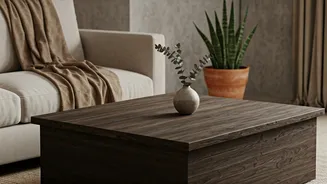
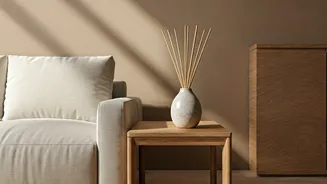
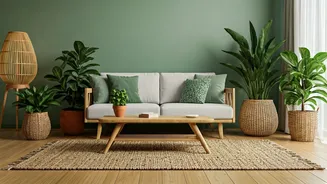
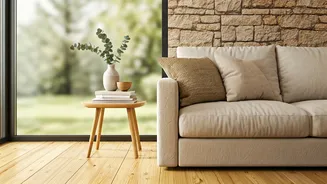
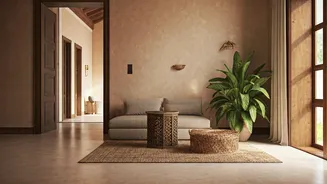
Wood is perhaps the most fundamental natural material in decor. But the current trend moves beyond polished, perfect planks. Think unstained light woods like oak, maple, and ash for furniture, flooring, and decorative objects. These finishes celebrate the wood’s grain and natural imperfections. We're also seeing a surge in woven materials like rattan, jute, cane, and seagrass. A jute rug underfoot adds instant texture and warmth, while a rattan armchair or cabinet door introduces a touch of relaxed, airy sophistication. These materials feel handmade and organic, connecting a room to its natural origins.
Stone, Clay, and Terracotta
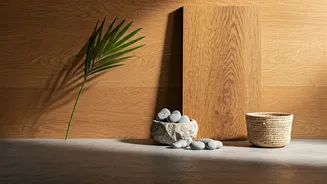
Earthy, grounding, and ancient—stone and clay bring a sense of permanence and stability to a space. A marble coffee table, a slate-colored countertop, or a travertine side table can serve as a cool, solid anchor in a room full of softer textures. Beyond expensive installations, this trend is accessible through smaller items. Unglazed ceramic vases, terracotta pots for plants, and handmade pottery for your kitchen shelves all contribute to this calming, earthy palette. Their slightly rough, matte surfaces absorb light rather than reflecting it, contributing to a softer, more muted atmosphere.
Textured Natural Fibers
Swapping out synthetic fabrics for natural ones can dramatically change the feel of a room. Think of the soft, breathable comfort of linen curtains, a chunky wool throw blanket, or cotton canvas cushion covers. These materials aren't just pleasant to the touch; they also look more relaxed. Linen, in particular, is celebrated for its natural wrinkles and lived-in appearance, rejecting the idea that everything must be perfectly pressed and pristine. This acceptance of imperfection is a core part of creating a truly restful environment where you can unwind without worrying about maintaining a flawless facade.
Living Greenery as Decor
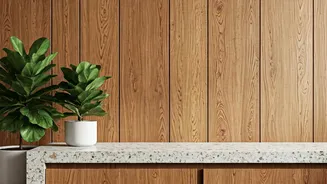
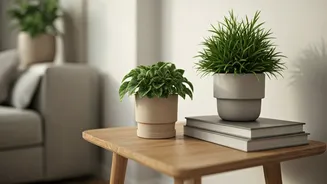
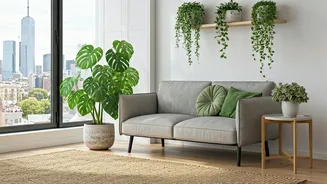
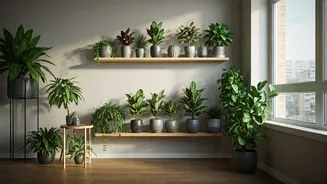
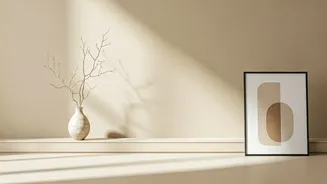
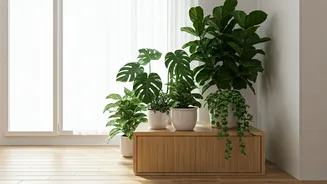
The most literal way to bring nature indoors is with living plants. More than just a decorative accessory, houseplants are dynamic, air-purifying elements that add life and color to any corner. From a large fiddle-leaf fig making a statement in the living room to a trailing pothos on a bookshelf or a collection of succulents on a windowsill, greenery connects us directly to the cycles of the natural world. Even for those without a green thumb, incorporating preserved moss art or displaying dried branches, pampas grass, or eucalyptus in a vase provides a similar visual link to the outdoors without the need for watering.
An Abundance of Natural Light
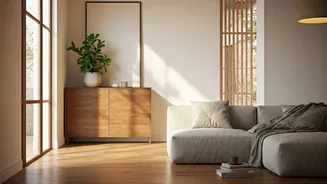
While not a 'material' you can buy, maximizing natural light is a key principle of this design philosophy. It's about designing your space to work with the sun. This means using lighter, sheerer window treatments that diffuse light softly rather than blocking it out completely. It involves strategically placing mirrors to bounce light into darker corners and arranging furniture to create clear pathways from windows into the room. A sun-drenched space not only feels bigger and cleaner but also connects us to the time of day, helping to regulate our internal clocks and creating a more natural rhythm for our lives.