



The Reign of Maximalism
Picture a classic South Asian wedding or a blockbuster Bollywood film. What comes to mind? Chances are, it’s a kaleidoscope of vibrant color, opulent texture, and dazzling detail. This is the heart of traditional “monsoon glam,” an aesthetic built on the principle
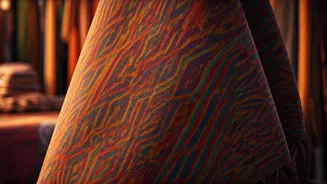
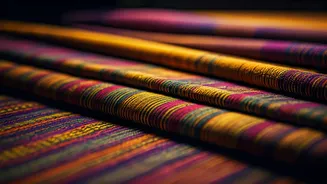
of glorious excess. It’s found in the heavy, hand-embroidered zardozi work on a bride’s lehenga, the rich jewel tones of Banarasi silk saris, and the stacks of gold bangles climbing up an arm. For generations, this maximalist approach wasn't just about fashion; it was a visual language of celebration, prosperity, and cultural pride. The weight of the fabric and the intricacy of the embellishment were direct symbols of an occasion’s significance. More was, unequivocally, more.
The Quiet Revolution: A Minimalist Shift
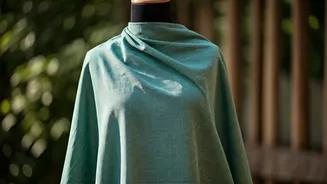
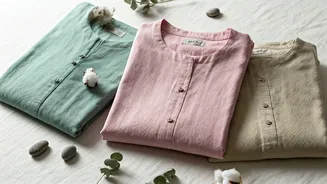
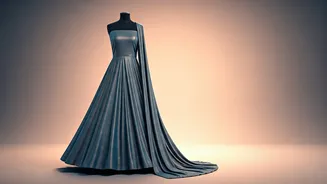
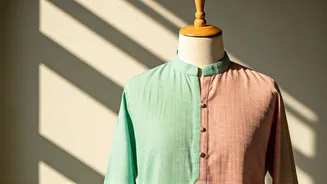
Now, imagine a different scene. A bride in an elegant, unadorned ivory sari, her mother’s vintage choker the only piece of jewelry. A wedding guest in a simple, perfectly tailored silk pantsuit in a muted sage green. This is the new face of monsoon glam, and it’s gaining ground fast. Designers and tastemakers are championing a less-is-more philosophy that prioritizes silhouette, fabric quality, and personal style over heavy decoration. Look at recent celebrity choices, like Alia Bhatt’s famously understated wedding look, which swapped traditional red and heavy gold for a serene organza sari. The new uniform favors clean lines, breathable fabrics like organza and chiffon, and a palette that leans into pastels, neutrals, and earth tones. The drama now comes from impeccable tailoring and a single, stunning statement piece, not an overwhelming collection of them.
Why Less Is Becoming More
This shift isn't happening in a vacuum. It’s driven by a powerful confluence of cultural, economic, and generational changes. First, there’s the sustainability question. A younger generation of consumers, both in South Asia and across the diaspora, is increasingly wary of the “wear-once” outfit. A 30-pound lehenga, however beautiful, is impractical and feels wasteful to many. Minimalist pieces, by contrast, are versatile. A simple sari or a well-cut tunic can be styled differently and worn again, aligning with a global move toward conscious consumption. Second, it reflects a new form of cultural confidence. For many second- and third-generation South Asians in the U.S., identity is less about performing tradition for others and more about personal integration. They are mixing their heritage with a global, contemporary fashion sense, creating a hybrid style that feels authentic to them. Finally, there’s the simple matter of comfort and practicality. Lighter, simpler outfits are easier to wear, dance in, and travel with, making them a better fit for modern, multi-day celebrations.
The Look for 2026 and Beyond
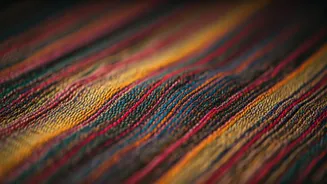
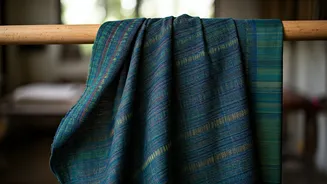
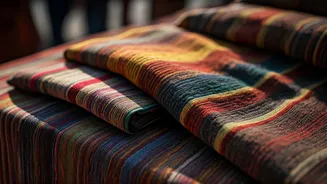
So, what will peak monsoon glam look like in 2026? Forecasters see a focus on “stealth wealth” and personal storytelling. Outfits will feature luxurious, high-quality fabrics that whisper quality rather than shout it. Handwoven textiles and unique, subtle weaves will be favored over dense, all-over embroidery. Color palettes will remain sophisticated and often monochromatic, allowing the wearer’s personality to shine. Jewelry will be intentional and meaningful—perhaps one piece of significant family heirloom jewelry instead of a full matching set. The focus will be on the cut, the drape, and the way the garment moves with the body. It’s a trend that celebrates the artisan’s skill in tailoring and weaving, not just embellishing. The ultimate luxury will be an outfit that is both beautiful and utterly, comfortably *you*.