




The End of the TV Dinner Era
For decades, “convenience meal” was code for a nutritional compromise. We pictured a foil tray with rubbery chicken, a sad scoop of reconstituted mashed potatoes, and a brownie that somehow tasted like corn. These meals, born in a post-war boom of industrial
food science, prioritized shelf stability and low cost over everything else. The ingredient lists were often a mile long, featuring a rogue’s gallery of sodium phosphates, modified corn starch, and artificial flavors. They were a solution for a busy night, but one that often came with a side of guilt and a full day’s worth of sodium.
What Changed? You Did.
The shift away from these legacy products wasn’t driven by a sudden change of heart in corporate boardrooms. It was driven by you. A new generation of consumers, armed with more nutritional knowledge and higher standards, began demanding more. The rise of wellness culture, dietary specificity (from paleo and keto to plant-based), and a general distrust of overly processed foods created a massive market gap. People still needed convenience—our lives haven't gotten any slower—but they were no longer willing to sacrifice their health for it. Brands that ignored this shift saw their sales stagnate, while a new wave of food startups saw a golden opportunity. The demand was clear: give us real food, fast.
The New Anatomy of 'Healthy Convenience'
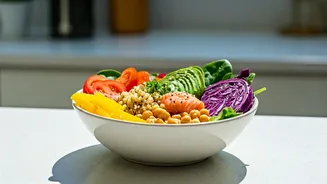
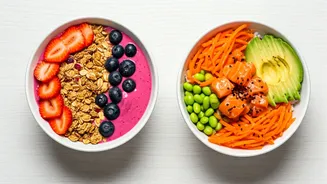
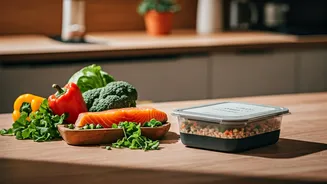
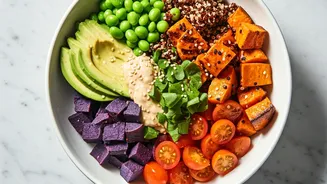
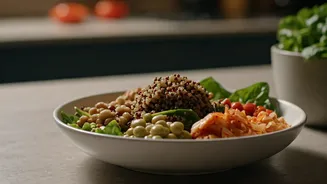
So, what does this new generation of convenience meals look like? Instead of mystery meat, you’ll find sous-vide cooked chicken breast, grass-fed beef, or organic tofu. Instead of bland vegetable medleys, you’ll see vibrant mixes of quinoa, roasted broccoli, and kale. The technology has improved, too. Flash-freezing techniques lock in nutrients and textures far better than the slow-freeze methods of the past. Companies are building entire brands around “clean” labels, meaning ingredient lists you can actually read and pronounce. The focus has shifted from preservation to fresh-tasting nutrition. Protein and fiber content are now key selling points prominently displayed on the front of the box, while low-sugar and reduced-sodium claims cater to a more discerning palate.
How to Spot Real Health from 'Health-Washing'
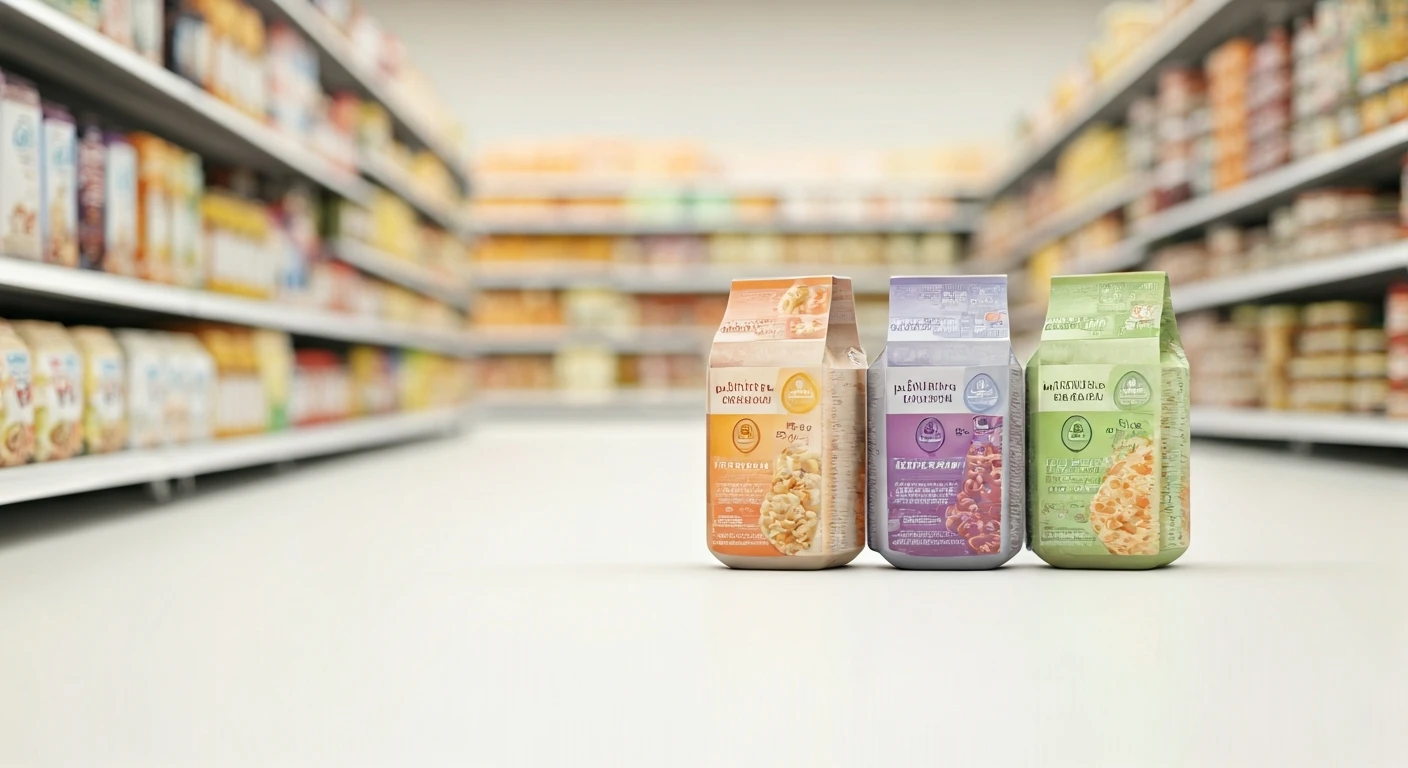
With any positive trend comes marketing spin. The “health halo” is a real phenomenon where packaging uses buzzwords like “natural,” “wholesome,” or “keto-friendly” to imply a product is healthier than it actually is. To be a savvy shopper, you have to become a label detective. First, ignore the front of the box and turn it over. The nutrition facts and ingredient list tell the real story. Look for a reasonably short ingredient list made of whole foods. Check the sodium content; even “healthy” frozen meals can be surprisingly high, so aim for under 600mg per serving. Finally, look at the serving size. A seemingly low-calorie meal might be based on a tiny portion that won't actually satisfy you, leading you to eat two or head for the snack cupboard an hour later. The goal is a balanced meal, not just a low-calorie one.