


So, What Is a Daycation?
Think of it as the smarter, more efficient cousin of the staycation. While a staycation involves booking a hotel room in your own city for a night or two, a daycation is an even more compressed slice of luxury. For a fraction of the cost of an overnight
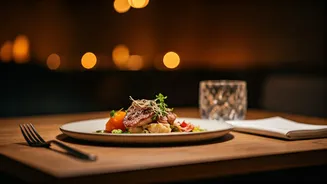
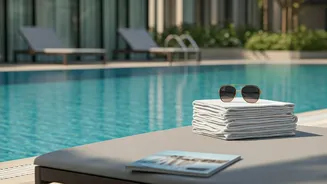
stay, city dwellers can buy a day pass to a high-end hotel, granting them access to amenities that are typically reserved for registered guests. This usually means a full day spent lounging by a pristine pool, using the gym or spa, and enjoying a credit for food and beverages at the hotel’s restaurants. Some packages even include a room for six to eight hours, providing a private home base for napping, showering, or even working remotely in a far more glamorous setting.
The Rise of the Micro-Escape
The daycation trend didn’t appear out of nowhere. It found fertile ground in the unique pressures and aspirations of modern urban India. After years of pandemic-related restrictions, there was a pent-up demand for leisure and a change of scenery. But with lingering travel uncertainties and the grind of daily life, week-long vacations aren't always feasible. The daycation offers an immediate, low-commitment solution. It's an accessible luxury for a growing middle and upper-middle class with disposable income and a taste for the good life, heavily influenced by what they see on social media. For young professionals, couples, and families in sprawling, congested cities like Mumbai, Delhi, or Bangalore, the chance to escape the noise and heat for a tranquil, air-conditioned oasis is a powerful draw. A day of poolside relaxation becomes a vital mental health reset without the logistical hassle of a full-blown trip.
A Win-Win for Hotels and Guests
For the hospitality industry, the daycation model is a stroke of genius. Hotels, particularly luxury chains like Marriott, Hyatt, and Taj, have found a new way to monetize their properties beyond just room nights. Weekdays, which often see lower occupancy rates from leisure travelers, are now prime for 'work-from-hotel' daycationers. Pools, restaurants, and lounges that would otherwise be underutilized during the day are now buzzing with a new stream of high-spending local customers. It helps build brand loyalty with a local audience who might return for a full stay, a celebratory dinner, or recommend the hotel to visiting friends and family. This symbiotic relationship provides guests with an affordable taste of luxury and gives hotels a robust, year-round revenue stream that is less dependent on the seasonal whims of international tourism.
Not Just a Swim, but a Status Symbol
In the age of Instagram, the daycation is as much about the experience as it is about documenting it. The backdrop of a chic hotel pool or a beautifully plated brunch is prime content. For many, it’s a way to project an aspirational lifestyle, sharing a glimpse of five-star living with their followers. This social media currency further fuels the trend, as friends and influencers showcase their picture-perfect day-escapes, creating a powerful cycle of desire and demand. But beyond the optics, the daycation speaks to a broader cultural shift in how leisure is perceived. It’s no longer just about long, annual holidays. Instead, it’s about integrating small, high-quality moments of rest and indulgence into the regular rhythm of life. It’s a practical, modern answer to the age-old need to simply get away from it all, even if just for a day.